


Why Can’t I Sleep Even When I’m Tired? Find Mental Health Support in Delhi
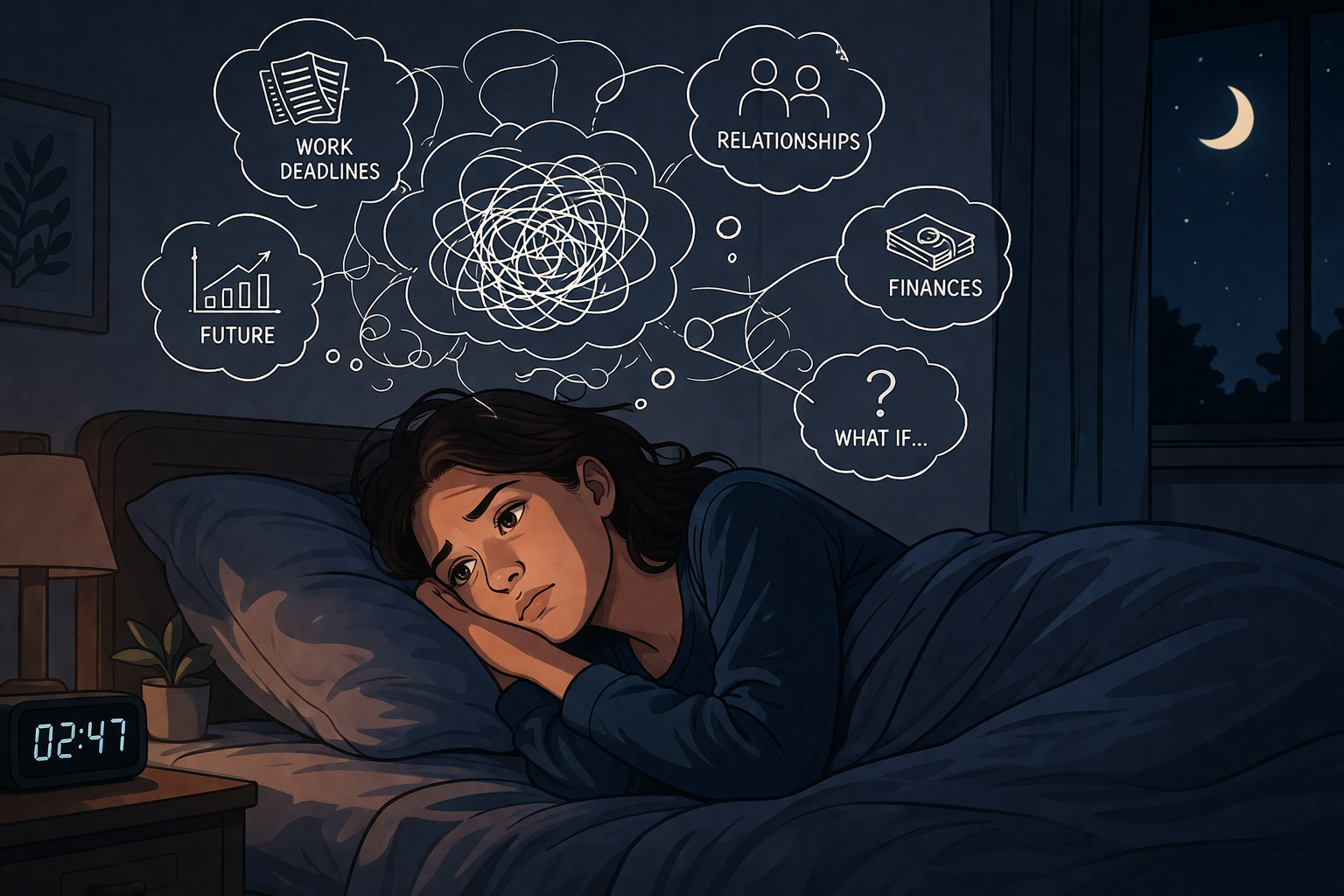
Sleep is supposed to come naturally when your body is exhausted, yet many people find themselves lying awake despite feeling completely drained. This frustrating experience can leave you confused, anxious, and even more tired the next day. If you’ve ever wondered why your mind refuses to switch off even when your body begs for rest, you’re not alone. Sleep difficulties are often deeply connected to mental health patterns, lifestyle habits, and emotional stress. Understanding the root cause is the first step toward finding effective treatment for sleep problems and restoring healthy sleep patterns.
Why Do I Feel Tired but Still Can’t Sleep?
Feeling physically tired but mentally alert is one of the most common sleep complaints. This usually happens when your body and mind are out of sync. While your body is ready for rest, your brain may still be active due to stress, overthinking, or emotional overload.
Mental fatigue doesn’t always equal sleep readiness. If your mind is racing with thoughts, worries, or unresolved emotions, it can keep you awake even when your eyes feel heavy. This condition is often linked to anxiety, burnout, or irregular sleep routines.
Is Stress or Anxiety Keeping Me Awake?
Yes, stress and anxiety are major contributors to sleep issues. When you’re anxious, your body produces stress hormones like cortisol, which keep you in a state of alertness. This “fight or flight” response makes it difficult to relax and fall asleep.
You may notice symptoms like:
-
Overthinking at night
-
Difficulty calming your thoughts
-
Feeling restless or tense in bed
-
Waking up frequently during the night
Addressing anxiety through therapy and relaxation techniques is often a key part of sleep problems treatment.
Can Overthinking at Night Cause Insomnia?
Overthinking is one of the biggest enemies of sleep. When your mind keeps replaying events, worrying about the future, or analyzing situations, it prevents your brain from entering a relaxed state.
This mental activity stimulates your nervous system, making it harder to fall asleep. Many people experience a surge of thoughts the moment they lie down because there are no distractions left.
Learning how to manage thought patterns through techniques like cognitive restructuring or mindfulness can significantly improve your sleep quality.
How Do Poor Sleep Habits Affect My Rest?
Sometimes, the problem isn’t just mental—it’s behavioral. Poor sleep hygiene can disrupt your body’s natural sleep-wake cycle.
Common habits that affect sleep include:
-
Using screens before bedtime
-
Irregular sleep schedules
-
Consuming caffeine late in the day
-
Lack of a calming bedtime routine
Your body thrives on consistency. When your routine is unpredictable, your internal clock (circadian rhythm) becomes confused, making it harder to fall asleep even when you’re tired.
Could My Lifestyle Be Contributing to Sleep Problems?
Absolutely. Your daily lifestyle choices have a direct impact on your sleep. Lack of physical activity, unhealthy eating patterns, and excessive screen time can all interfere with your ability to rest.
For example:
-
Sedentary lifestyles reduce physical tiredness
-
Heavy meals late at night can cause discomfort
-
Social media and digital content overstimulate the brain
Improving lifestyle habits is often an essential part of effective treatment for sleep problems.
Is My Mental Health Affecting My Sleep?
Sleep and mental health are deeply interconnected. Conditions like anxiety, depression, and mood disorders often disrupt sleep patterns.
You might experience:
-
Difficulty falling asleep
-
Waking up too early
-
Sleeping too much but still feeling tired
-
Night-time anxiety or panic
If your sleep problems are persistent, it may be helpful to consult psychologists in Delhi NCR who can identify underlying emotional or psychological triggers.
What Are the Best Ways to Improve My Sleep Naturally?
Improving sleep doesn’t always require medication. Many natural and psychological strategies can help regulate your sleep cycle.
Some effective methods include:
-
Practicing relaxation techniques like deep breathing or meditation
-
Creating a consistent sleep schedule
-
Limiting screen exposure before bed
-
Journaling to release thoughts before sleeping
-
Engaging in regular physical activity
These small changes can gradually train your mind and body to prepare for rest.
When Should I Seek Professional Help for Sleep Issues?
If your sleep problems last for weeks or start affecting your daily life, it’s time to seek professional support. Chronic sleep deprivation can impact your mood, concentration, and overall health.
Signs you may need help include:
-
Persistent insomnia
-
Daytime fatigue and irritability
-
Difficulty focusing or making decisions
-
Dependence on sleep aids
In such cases, evidence-based therapies like Cognitive Behavioral Therapy for Insomnia (CBT-I) can be highly effective.
How Can Therapy Help Me Sleep Better?
Therapy focuses on identifying and addressing the root causes of your sleep issues. Instead of just treating symptoms, it helps you build long-term coping strategies.
A psychologist may help you:
-
Manage stress and anxiety
-
Change negative thought patterns
-
Develop healthy sleep habits
-
Improve emotional regulation
If you’re considering professional guidance, you can consult psychologists in Delhi NCR who specialize in sleep and mental health concerns. Centers like Psychowellness Center provide structured therapy approaches tailored to individual needs.
Can I Regain Healthy Sleep Patterns?
Yes, with the right approach and consistency, you can restore your sleep cycle. The key is to address both the mental and behavioral aspects of sleep.
Recovery doesn’t happen overnight, but gradual improvements can lead to lasting results. Combining lifestyle changes, emotional support, and professional guidance can help you overcome even long-standing sleep difficulties.
Final Thoughts
Struggling to sleep even when you’re tired is more than just a minor inconvenience—it’s often a sign that your mind and body need attention. Whether it’s stress, overthinking, poor habits, or deeper mental health concerns, identifying the cause is essential for effective sleep problems treatment.
If your sleep issues persist, don’t ignore them. Seeking help and choosing to consult psychologists in Delhi NCR can provide clarity, support, and practical solutions. With the right guidance, restful nights and refreshed mornings are absolutely possible.

 English
 Arabic
 Spanish
 Portuguese
 Deutsch
 Turkish
 Dutch
Dutch
 Italiano
 Russian
 Romaian
 Portuguese (Brazil)
 Greek
Greek