


The Botanical Beauty Revolution: Why Herbal Hair Colour is the Gold Standard in 2026
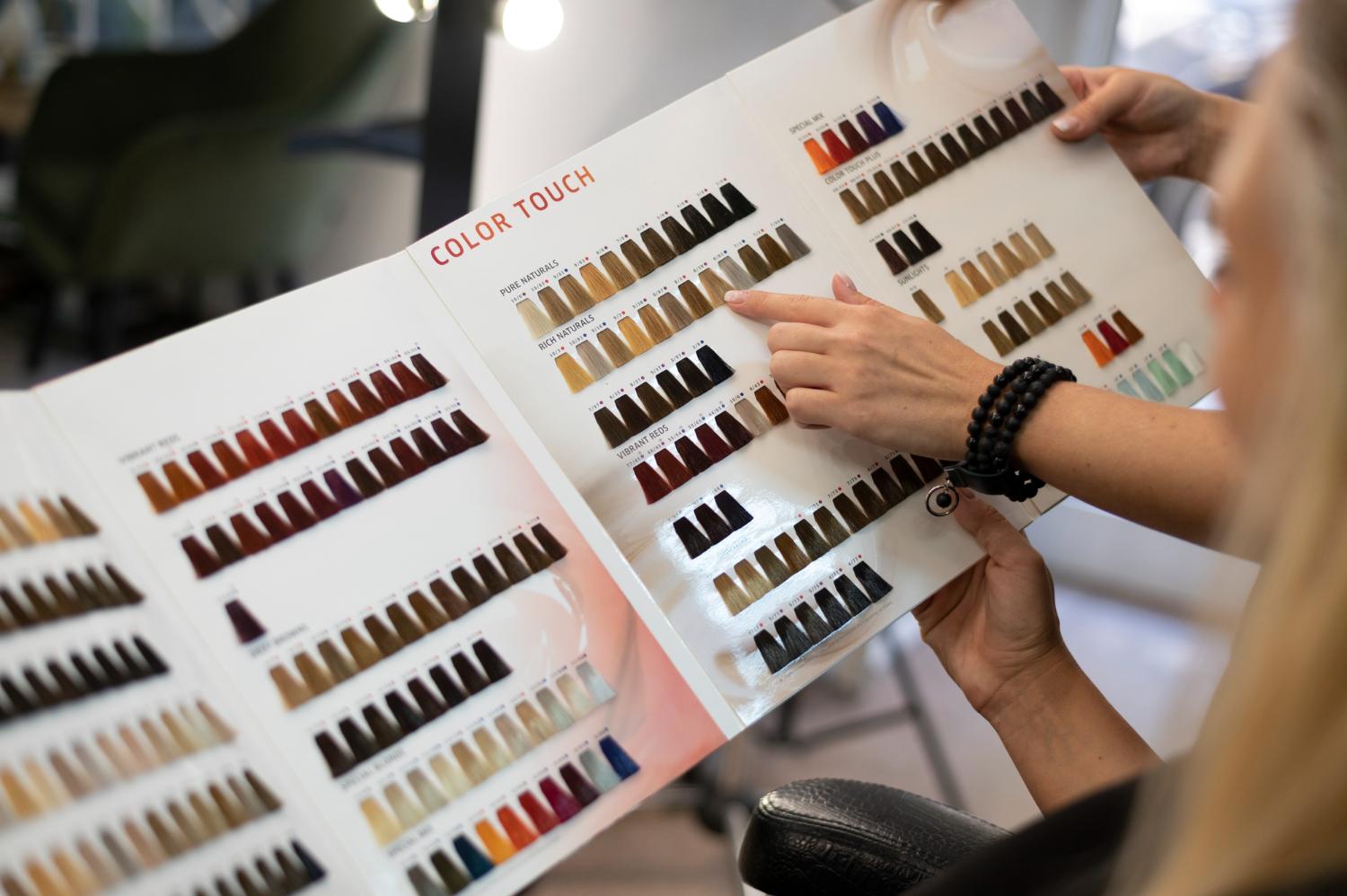
For centuries, the ritual of hair colouring has been a symbol of self-expression, cultural identity, and the pursuit of eternal youth. However, for much of the 20th and early 21st centuries, this ritual came with a hidden cost. Traditional synthetic dyes, laden with ammonia, parabens, and PPD, often left the hair brittle, the scalp irritated, and the environment compromised.
As we navigate through 2026, a profound shift has occurred in the global beauty landscape. The "Clean Beauty" movement is no longer a niche trend; it is the new standard. Consumers are increasingly turning away from harsh chemical interventions in favor of botanical alternatives that offer both vibrant results and holistic nourishment. At the heart of this transition is the resurgence of herbal hair colour, a solution that honors the ancient wisdom of plants while meeting the high-performance demands of the modern user.
Leading this charge in the African market is Glory, a brand that has perfected the balance between nature and science. By utilizing the legendary properties of the henna plant, glory henna hair dye has become the go-to choice for those who refuse to choose between stunning aesthetics and hair health.
1. The Science of the Leaf: How Herbal Colour Works
To understand why herbal solutions are superior, one must first look at the biology of the hair strand. A single hair consists of the cuticle (the outer protective layer), the cortex (the middle layer containing pigment), and the medulla (the core).
Synthetic Dyes: The "Breaking and Entering" Approach
Traditional chemical dyes operate by force. Ammonia or similar alkalizing agents are used to swell the hair shaft and "blow open" the cuticle scales. This allows peroxide to enter the cortex, strip away your natural melanin, and replace it with synthetic pigments. While effective for drastic color changes, this process permanently damages the cuticle, leading to moisture loss, split ends, and a dull, "frizzy" appearance over time.
Herbal Dyes: The "Bond and Build" Approach
In contrast, herbal dyes like henna work through a process of "adsorption." The primary active component in henna is lawsone (hennotannic acid). These molecules have a natural affinity for the keratin proteins in your hair. Instead of forcing their way inside, they bind to the exterior of the hair shaft and fill in the microscopic gaps in the cuticle.
This creates a translucent, protective glaze. Think of it as a natural "lamination" for your hair. Because the natural pigment of your hair is preserved underneath this glaze, the resulting color is multi-dimensional and unique to you—never "flat" or artificial.
2. Beyond Colour: The Therapeutic Benefits of Glory Henna
When you use a high-quality herbal dye, you aren't just changing your look; you are performing a deep-conditioning treatment. Glory Henna is formulated with a synergy of botanical ingredients that offer benefits far beyond a simple tint.
Scalp Rejuvenation
The scalp is the soil from which your hair grows. A healthy scalp leads to strong hair. Henna is naturally anti-fungal and anti-microbial. For individuals suffering from dandruff, itchiness, or minor scalp inflammation caused by chemical sensitivity, switching to an herbal dye can be transformative. It helps balance the pH levels of the scalp and regulates oil production.
Structural Integrity and Volume
Because henna binds to the hair cuticle, it physically increases the diameter of each individual hair strand. For those with fine or thinning hair, this provides a noticeable boost in volume and "body." The hair feels heavier, stronger, and more resilient to breakage.
UV and Environmental Shielding
In the intense South African sun, UV rays act as a continuous bleaching agent, breaking down hair proteins and causing color to fade. The tannins in henna provide a natural barrier against UV radiation, helping to lock in moisture and protect the inner cortex from heat damage.
3. Navigating the Palette: From Auburn to Ebony
A common misconception in the beauty world is that herbal dyes only produce a "fiery orange" result. While pure henna is indeed warm-toned, modern botanical engineering has allowed for a sophisticated range of colors.
By blending Lawsonia inermis (Henna) with other plants like Indigofera tinctoria (Indigo), Amla, and Shikakai, Glory has curated a palette that suits every skin tone:
-
Natural Black: Achieved through a high concentration of Indigo, providing a deep, midnight shine without the use of toxic PPD.
-
Rich Brown: A perfect balance of Henna and Indigo that mimics the earthy tones of dark chocolate.
-
Burgundy and Red: For those who want to lean into the vibrant, traditional warmth of pure henna.
The beauty of these shades lies in their "oxidative" nature. After application, the color continues to deepen and settle over 24 to 48 hours as it reacts with the oxygen in the air, reaching its full, resonant potential on the second or third day.
4. The Ritual: How to Apply Herbal Dye for Maximum Results
Applying herbal hair dye is a slower, more intentional process than using a chemical box dye. It is a moment of self-care that requires patience but yields incredible rewards.
-
The Detox: Start with clean hair. Ensure there are no heavy silicones or oils on the hair, as these can prevent the plant molecules from binding to the keratin.
-
The Mix: Mix the Glory Henna powder with lukewarm water until it reaches the consistency of thick yogurt. For an extra boost of shine, some users add a squeeze of lemon or a spoonful of curd.
-
The Application: Section your hair and apply the paste generously from root to tip. Unlike chemical dyes, you cannot "over-saturate" with henna. The more paste you use, the more even the result.
-
The Wait: Cover your hair with a shower cap to keep the paste moist. Herbal dyes need time to work. We recommend a development time of 45 to 60 minutes.
-
The Rinse: Rinse with water until it runs clear. Try to avoid using shampoo for the first 24 hours to allow the color to fully oxidize and bond.
5. Ethics and Sustainability: Beauty Without Compromise
In 2026, the definition of beauty has expanded to include the well-being of the planet. Synthetic hair dyes are a major contributor to water pollution; the ammonia, lead, and coal-tar derivatives washed down the drain are difficult to filter and harmful to aquatic life.
Herbal dyes are 100% biodegradable. By choosing Glory Africa, you are supporting a sustainable supply chain that relies on renewable plant resources. It is a choice that feels as good for the soul as it does for the hair—knowing that your beauty routine leaves no toxic footprint behind.
Conclusion: Embrace Your Crowning Glory
Your hair is an extension of your health and your personality. Treating it with harsh chemicals is a relic of the past. By embracing herbal hair colour, you are choosing a path of strength, shine, and sustainability.
Glory Henna represents more than just a dye; it is a bridge between the botanical secrets of the past and the conscious beauty standards of the future. Whether you are looking to cover greys, add a vibrant new tone, or simply thicken your natural locks, the power of plants is the most effective tool at your disposal. Switch to nature’s original colorant and let your hair's true vitality shine through.
Frequently Asked Questions (FAQ)
1. Can I use herbal hair dye if I have previously bleached my hair? Yes, but you should proceed with caution. Bleached hair is very porous and will soak up the herbal pigment much faster than natural hair. This can sometimes result in a more intense color than expected. We always recommend performing a "strand test" on a small, hidden section of hair first to see how the color develops.
2. Does Glory Henna cover grey hair effectively? Absolutely. Henna is world-renowned for its ability to cover greys. On grey or white hair, the color will appear slightly lighter and more translucent than on darker strands, creating a beautiful, natural highlighted effect. For the most stubborn greys, leaving the paste on for the full 60 minutes is recommended.
3. Is herbal hair dye safe for people with sensitive skin? Because it is ammonia-free and paraben-free, herbal hair dye is generally much safer for sensitive individuals. However, even natural plants can cause allergies in some people. It is always best practice to perform a patch test on your skin 24 hours before a full application.
4. How long does the colour last? Herbal dye is considered semi-permanent to permanent. While it won't wash out like a temporary tint, the vibrancy will slowly settle over 4 to 6 weeks. Many users find that because there is no harsh "regrowth line" (since the color blends naturally), they can go longer between applications compared to chemical dyes.
5. Will herbal dye make my hair dry? Pure henna is a protein treatment. For some, the hair may feel slightly "stiff" immediately after rinsing—this is actually the protective layer of henna on the cuticle. Once you apply a light conditioner or hair oil, your hair will feel softer and smoother than it ever did with chemical dyes.
6. Can I go from black to blonde using herbal colour? No. This is a vital distinction. Because herbal hair dye does not contain bleach or harsh lighteners, it cannot "lift" your natural color. It can only add color and tone. If you have dark hair, herbal dyes will add rich highlights and depth, but they cannot make your hair lighter than its starting shade.

 Arabic
 French
 Spanish
 Portuguese
 Deutsch
 Turkish
 Dutch
Dutch
 Italiano
 Russian
 Romaian
 Portuguese (Brazil)
 Greek
Greek