


How Preschools Design Daily Routines for Balanced Learning and Play
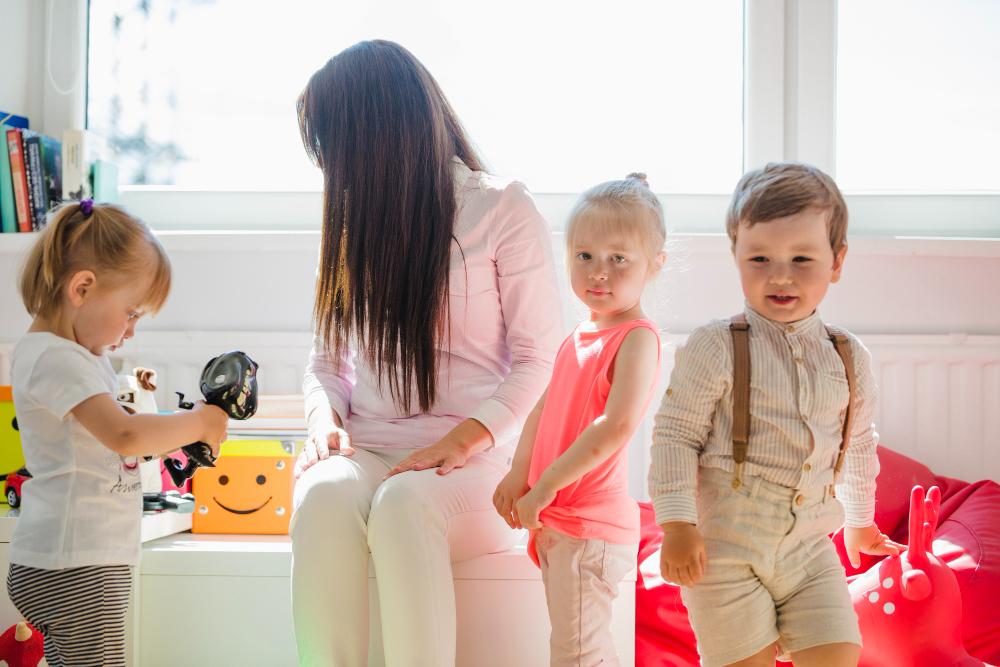
Preschool is often a child’s first structured learning environment outside the home. At this stage, children are curious, energetic, and eager to explore—yet they still need comfort, predictability, and time to play. High-quality preschools understand this balance and carefully design daily routines that blend learning and play in a natural, child-friendly way.
A well-planned preschool routine is not about keeping children busy all day. It’s about creating a rhythm that supports emotional security, cognitive growth, creativity, and physical development. Here’s how preschools thoughtfully design daily routines to achieve that balance.
1. Starting the Day with Predictability and Connection
Preschool routines typically begin with a warm welcome and familiar activities. Morning routines help children transition smoothly from home to school and set a positive tone for the day.
This time often includes:
- Greeting teachers and friends
- Free play or calm table activities
- Simple conversations that build comfort and trust
Predictable starts reduce anxiety and help children feel safe and ready to engage.
2. Structured Learning in Short, Engaging Blocks
Preschoolers have developing attention spans, so quality preschools design short, focused learning periods rather than long academic sessions.
These learning blocks may include:
- Circle time with songs, stories, and discussions
- Early literacy and numeracy activities
- Hands-on exploration using art, puzzles, or manipulatives
By keeping learning sessions interactive and brief, children stay interested without feeling overwhelmed.
3. Learning Through Play as a Core Strategy
Play is not a break from learning—it is how preschoolers learn best. High-quality preschools intentionally integrate play-based learning into daily routines.
Play activities are designed to support:
- Language development through role play and storytelling
- Social skills through group games and cooperative play
- Problem-solving through building, sorting, and experimenting
Teachers guide play gently, allowing children to discover concepts at their own pace.
4. Balanced Indoor and Outdoor Time
Preschools plan daily routines that include both indoor and outdoor activities. This balance supports physical health and mental focus.
Outdoor play allows children to:
- Release energy and build motor skills
- Learn teamwork and turn-taking
- Connect with nature and their environment
Indoor time, on the other hand, encourages concentration, creativity, and calm engagement.
5. Purposeful Transitions Between Activities
Transitions can be challenging for young children. Quality preschools plan smooth, predictable transitions using songs, visual cues, or gentle reminders.
Effective transitions:
- Reduce frustration and behavioral issues
- Help children understand what comes next
- Maintain a calm classroom atmosphere
These small details make routines feel effortless rather than rushed.
6. Time for Rest, Reflection, and Quiet Play
Balanced routines always include time for rest. Preschoolers need moments to slow down and recharge.
This may include:
- Quiet reading or storytelling
- Rest or nap time
- Individual activities like drawing or puzzles
Rest periods help children process what they’ve learned and return to active play with renewed focus.
7. Social Learning Built into Everyday Moments
Preschools design routines so children learn social skills naturally throughout the day. Snack time, group activities, and clean-up routines all become opportunities for learning.
Children practice:
- Sharing and cooperation
- Listening and following instructions
- Expressing emotions appropriately
These daily interactions play a major role in emotional and social development.
8. Flexibility Within a Consistent Framework
While routines are consistent, high-quality preschools remain flexible. Teachers observe children’s energy levels, interests, and moods, adjusting activities as needed.
This flexibility ensures:
- Children are not rushed or overstimulated
- Individual needs are respected
- Learning remains joyful rather than forced
A flexible routine keeps children engaged while maintaining structure.
Why Balanced Daily Routines Matter
Preschool routines shape how children feel about learning. When learning and play are thoughtfully balanced, children develop confidence, curiosity, and a love for discovery.
Well-designed routines help children:
- Stay emotionally regulated
- Develop strong cognitive and social skills
- Transition smoothly to formal schooling
They also provide reassurance to parents, knowing their child’s day supports overall development—not just academics.
Final Thoughts
Preschools that design intentional daily routines understand that young children learn best through structure, play, and meaningful interaction. By blending guided learning with free play, activity with rest, and consistency with flexibility, these routines support the whole child.

 English
 Arabic
 French
 Spanish
 Deutsch
 Turkish
 Dutch
Dutch
 Italiano
 Russian
 Romaian
 Portuguese (Brazil)
 Greek
Greek