


What Are Acoustic Panels? U.S. Popularity, Benefits, Uses & Complete Beginner Guide
Introduction:
Why Acoustic Panels Are Trending in Modern Spaces
In today’s fast-paced world, sound quality has become more important than ever. Whether it’s a home office, recording studio, restaurant, or classroom, unwanted noise can affect comfort, productivity, and overall experience. This is where acoustic panels come in. These panels are specially designed to control sound, reduce noise, and improve the acoustics of a space. In the United States, acoustic panels are becoming increasingly popular due to the rise of remote work, content creation, and modern interior design trends.
What Are Acoustic Panels?
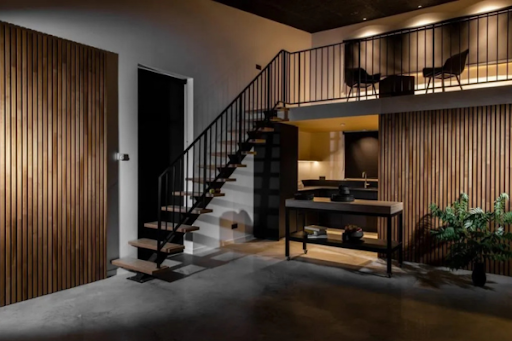
Acoustic panels are sound-absorbing materials used to reduce noise, echo, and reverberation in a room. They are typically made from soft, porous materials such as foam, fabric-wrapped fiberglass, or mineral wool. Instead of blocking sound completely, acoustic panels absorb sound waves, preventing them from bouncing off hard surfaces like walls, ceilings, and floors.
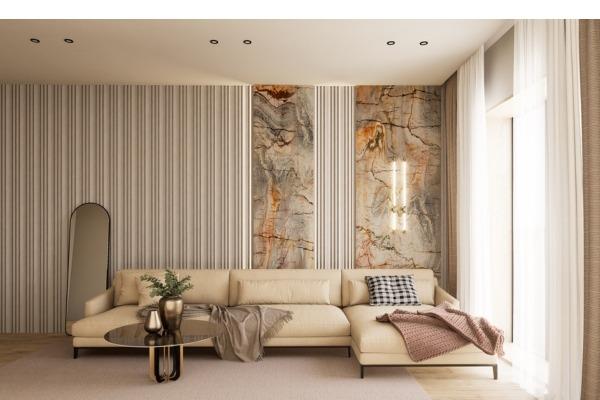
These panels come in different shapes, sizes, and designs. Some are simple and plain, while others are stylish and decorative, making them a great addition to modern interiors.
How Do Acoustic Panels Work?
When sound waves travel through a room, they hit hard surfaces and bounce back, creating echoes and noise. Acoustic panels work by trapping these sound waves within their soft material. This reduces the energy of the sound and prevents it from reflecting back into the room.
As a result, the room sounds clearer, quieter, and more comfortable. This is especially important in spaces where clear communication or high-quality sound is needed, such as offices, studios, and meeting rooms.
Why Acoustic Panels Are So Popular in the U.S.
Acoustic panels have gained massive popularity in the United States for several reasons. First, the increase in remote work has made people more aware of their home environments. Many people now want quiet and distraction-free spaces for video calls and work.
Second, the growth of content creation, such as podcasts, YouTube videos, and music recording, has increased the demand for better sound quality. Acoustic panels are an easy and affordable solution for improving audio.
Third, modern interior design trends focus on both functionality and aesthetics. Acoustic panels are now available in stylish designs, making them not just practical but also decorative.
Finally, open-plan offices and large spaces often suffer from noise problems. Businesses are using acoustic panels to create a more productive and comfortable work environment.
Key Benefits of Acoustic Panels
1. Noise Reduction
One of the biggest benefits of acoustic panels is their ability to reduce unwanted noise. They help create a quieter environment by absorbing sound instead of letting it bounce around the room.
2. Improved Sound Quality
Acoustic panels enhance sound clarity by reducing echo and reverberation. This makes conversations clearer and improves audio quality in studios and meeting rooms.
3. Better Productivity
In offices and workspaces, too much noise can be distracting. Acoustic panels help create a focused environment, which can improve productivity and concentration.
4. Stylish Interior Design
Modern acoustic panels are available in various colors, patterns, and textures. They can be used as decorative elements to enhance the look of a room while also serving a practical purpose.
5. Easy Installation
Most acoustic panels are easy to install. They can be mounted on walls or ceilings using simple tools, making them a convenient solution for both homes and businesses.
6. Cost-Effective Solution
Compared to major renovations or soundproofing methods, acoustic panels are an affordable way to improve room acoustics without spending too much money.
Common Uses of Acoustic Panels
Home Offices
With more people working from home, acoustic panels help reduce background noise and improve call quality during meetings.
Recording Studios
Acoustic panels are essential in studios for controlling sound and ensuring high-quality recordings.
Conference Rooms
In offices, they help reduce echo and make communication clearer during meetings and presentations.
Restaurants and Cafes
Acoustic panels create a more comfortable dining experience by reducing noise levels in busy spaces.
Classrooms and Schools
They help students hear teachers clearly by improving sound clarity and reducing distractions.
Home Theaters
Acoustic panels enhance the audio experience by improving sound quality and reducing echo.
Types of Acoustic Panels
|
|
|
|
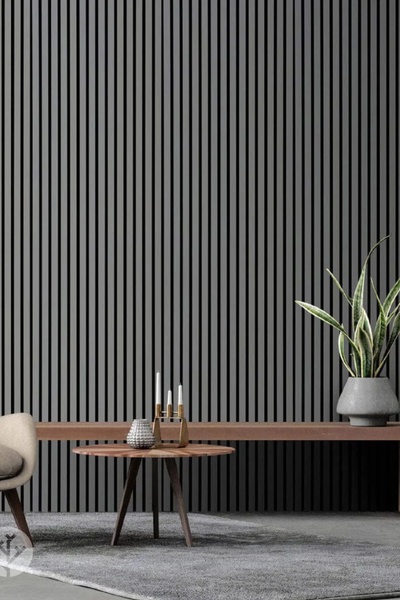
Fabric-Wrapped Panels
These are the most common type and are made with sound-absorbing material covered in fabric. They are effective and visually appealing.
Foam Panels
Foam panels are lightweight and affordable. They are often used in recording studios for basic sound control.
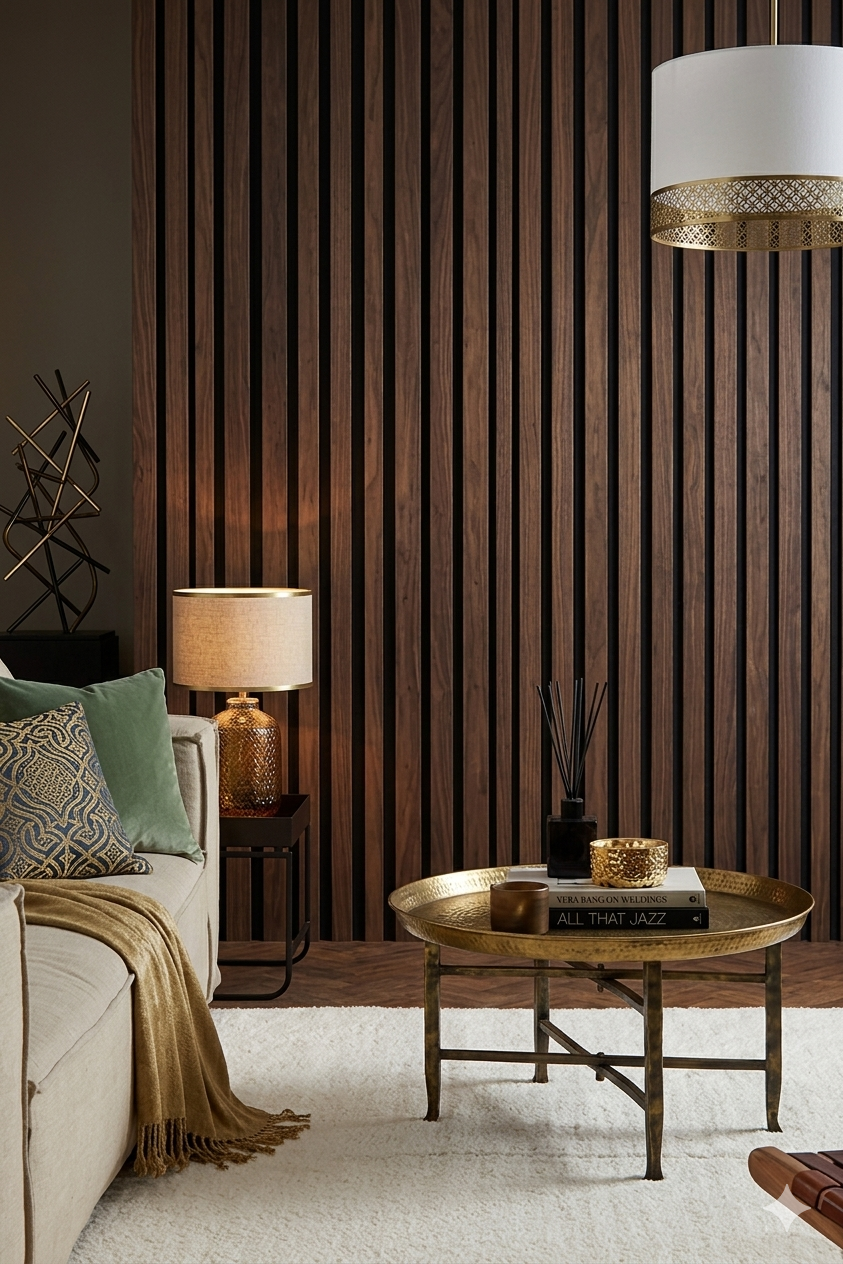
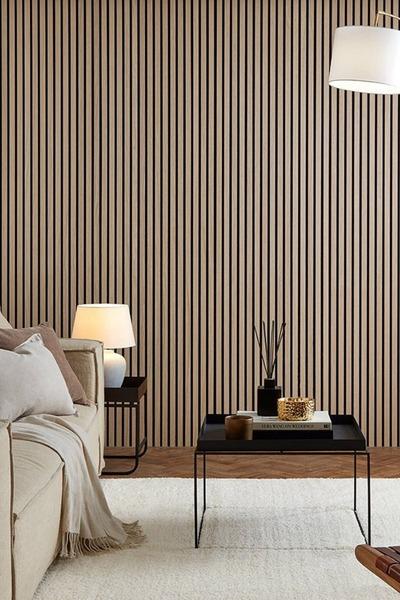
Wooden Acoustic Panels
These panels combine wood with sound-absorbing materials, offering both acoustic performance and a premium look.
Ceiling Panels (Baffles and Clouds)
These are installed on ceilings and are ideal for large spaces like offices, auditoriums, and restaurants.
Acoustic Panels vs Soundproofing: What’s the Difference?
Many people think acoustic panels are the same as soundproofing, but they are different. Acoustic panels improve sound quality within a room by reducing echo and noise. Soundproofing, on the other hand, blocks sound from entering or leaving a room.
If your goal is to make a room sound better, acoustic panels are the right choice. If you want to completely block noise, you need soundproofing materials.
Tips for Choosing the Right Acoustic Panels
Choose the right size and thickness based on your room. Thicker panels absorb more sound.
Consider the design and color to match your interior style.
Place panels strategically on walls where sound reflections are strongest.
For best results, use a combination of wall and ceiling panels.
Conclusion: Are Acoustic Panels Worth It?
Acoustic panels are a smart investment for anyone looking to improve sound quality and reduce noise. They are affordable, easy to install, and available in stylish designs. With their growing popularity in the United States, they have become an essential part of modern homes, offices, and commercial spaces. Whether you want better audio for work, entertainment, or business, acoustic panels offer a simple and effective solution.
FAQs About Acoustic Panels
1. Do acoustic panels completely block sound?
No, acoustic panels do not block sound completely. They absorb sound and reduce echo, but they do not stop sound from passing through walls.
2. Where should I place acoustic panels?
Acoustic panels should be placed on walls where sound reflects the most, such as behind speakers, near work areas, or on large empty walls.
3. Are acoustic panels expensive?
Acoustic panels are generally affordable and come in different price ranges depending on material and design.
4. Can I install acoustic panels myself?
Yes, most acoustic panels are easy to install and do not require professional help.
5. Are acoustic panels good for home use?
Yes, they are perfect for home offices, living rooms, and home theaters to improve sound quality and reduce noise.
6. How many acoustic panels do I need?
The number depends on the size of your room and the level of sound control you want. Larger rooms usually need more panels.
7. Do acoustic panels improve recording quality?
Yes, they significantly improve recording quality by reducing background noise and echo.

 English
 French
 Spanish
 Portuguese
 Deutsch
 Turkish
 Dutch
Dutch
 Italiano
 Russian
 Romaian
 Portuguese (Brazil)
 Greek
Greek