


Why Should Distributors Ask a Wholesale Water Bottle Manufacturer About Salt Spray Testing
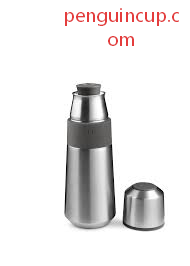
A bulk order of water bottles arrives at a distributor's warehouse. The shipment looks fine from the outside, but hidden defects lurk inside the walls. A few bottles fail to keep drinks cold. Others develop rust spots after a single wash. These problems trace back to inadequate testing at the factory. A professional Wholesale Water Bottle Manufacturer like YuNeng, which produces the Penguincup brand, performs a series of destructive and non‑destructive examinations before any container leaves the loading dock. This reality forces a direct question onto every buyer who sources large quantities: what testing protocols does a professional wholesale water bottle manufacturer perform before shipping a bulk order?
Vacuum integrity testing stands as the first and most critical protocol. A double‑wall insulated bottle only works when the space between its walls contains no air. Any microscopic leak destroys thermal performance. YuNeng uses tailless vacuum equipment that removes air from each bottle individually. After sealing, every unit passes through a helium mass spectrometer. This instrument detects leaks too small for human senses. A bottle that fails this test never reaches the packing station.
Weld strength examination follows the vacuum check. The neck weld joins the inner and outer walls, creating the bottle's sealed cavity. A weak weld cracks under temperature changes or mechanical stress. YuNeng employs laser welding machines that produce consistent, narrow heat‑affected zones. Each weld undergoes visual inspection under magnification, and sample units receive destructive pull testing. A technician attempts to separate the welded joint with calibrated force. The weld must hold beyond specified limits to pass.
Salt spray testing simulates years of corrosion exposure in a compressed timeframe. Bottles face a fine mist of saline solution inside a sealed chamber. This environment accelerates rust formation on unprotected surfaces. YuNeng operates salt spray equipment that runs continuously, testing samples from each production batch. Stainless steel resists corrosion naturally, but impurities or surface scratches create vulnerable points. A bottle showing any rust after the salt spray period fails the entire batch.
Optical spectroscopy verifies material composition. Low‑grade stainless steel contains incorrect ratios of chromium or nickel, reducing corrosion resistance. YuNeng uses optical spectroscopy equipment to analyze raw material samples before production begins. Each coil of steel receives a certificate matching its composition to food‑grade specifications. This protocol catches bad material at the receiving dock, not after thousands of bottles have been formed.
Leak testing under real‑world conditions completes the sealing verification. Each bottle receives a measured volume of hot water and a sealed lid. The unit inverts and sits on absorbent paper for a set period. Any moisture transfer indicates a lid or thread failure. YuNeng performs this test on every bottle, not just random samples. A single leaking unit triggers a full inspection of the entire production shift's output.
Insulation performance measurement validates thermal claims. Bottles receive a precise temperature liquid, and sensors record temperature loss over hours. YuNeng's testing lab maintains controlled ambient conditions for consistent results. A bottle that fails to meet thermal specifications returns to production for analysis. This protocol ensures that a customer receiving thousand units gets the same performance as the sample unit approved during negotiation.
Dimensional inspection guarantees compatibility with accessories and packaging. Bottle height, diameter, and thread pitch must fall within tight tolerances. YuNeng uses laser micrometers and go/no‑go gauges on the production line. A bottle with an out‑of‑spec neck will not seal properly with standard lids. This protocol prevents field failures that damage a distributor's reputation.
For buyers seeking a manufacturing partner that performs these seven protocols before shipping, https://www.penguincup.com/product/ offers the Penguincup line, where every bottle passes vacuum verification, salt spray testing, and weld inspection. A distributor who receives tested products avoids costly returns and customer complaints. Why trust a shipment to a manufacturer that cannot show you their testing results?

 Arabic
 French
 Spanish
 Portuguese
 Deutsch
 Turkish
 Dutch
Dutch
 Italiano
 Russian
 Romaian
 Portuguese (Brazil)
 Greek
Greek