


Advances in Liposuction Techniques for Lipedema Treatment
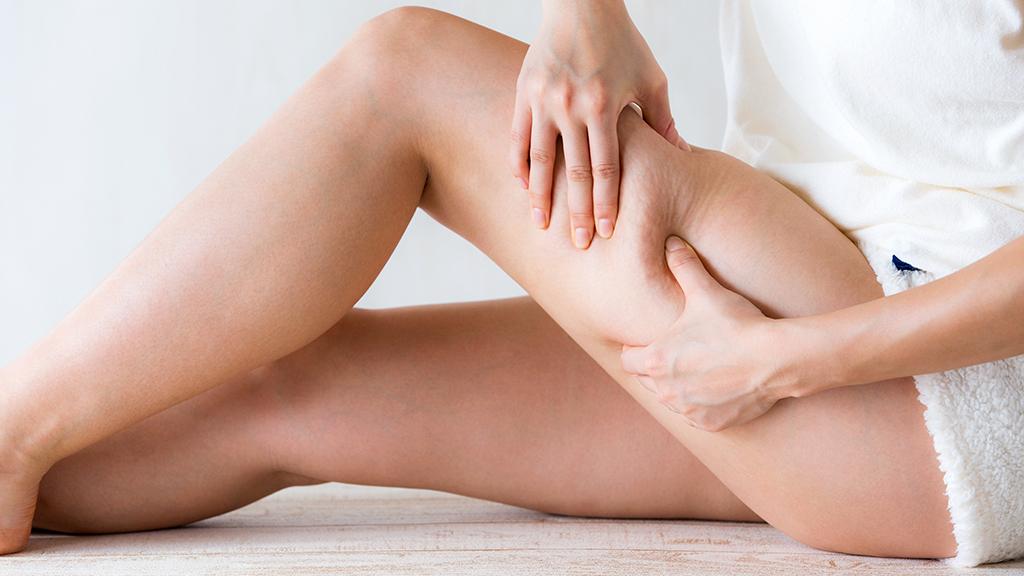
Liposuction has become one of the most significant surgical advancements in managing lipedema, offering relief for patients who do not respond adequately to conservative treatments. Over the past decade, techniques have evolved to prioritize safety, precision, and lymphatic preservation. In regions with growing expertise and modern medical infrastructure such as Lipedemia Treatment in Riyadh, these advanced procedures are increasingly accessible, allowing patients to benefit from improved outcomes and reduced complications compared to older surgical methods.
Understanding Lipedema and the Role of Liposuction:
Lipedema is a chronic condition characterized by abnormal fat accumulation, primarily in the legs and arms, which does not respond to diet or exercise. When conservative treatments are not sufficient, liposuction becomes an important option. The role of liposuction in lipedema care includes:
- Removing pathological fat deposits
- Reducing pain and tissue pressure
- Improving mobility and limb function
- Enhancing overall quality of life
Unlike cosmetic fat removal, lipedema-specific liposuction focuses on functional improvement rather than aesthetics alone.
Evolution of Liposuction Techniques for Lipedema:
Traditional liposuction techniques were not designed for lipedema and often carried risks of lymphatic damage. Modern approaches have been developed to address these limitations. Key advancements include:
- Use of tumescent fluid to reduce bleeding and trauma
- Power-assisted liposuction for precision fat removal
- Water-assisted liposuction for gentler tissue separation
- Laser-assisted techniques for improved control
These innovations have significantly improved safety and outcomes for patients.
Lymph-Sparing Surgical Techniques:
One of the most important advancements in lipedema surgery is the focus on preserving the lymphatic system. Damage to lymphatic vessels can worsen symptoms, so modern techniques prioritize protection. Lymph-sparing methods involve:
- Careful mapping of lymphatic pathways before surgery
- Gentle fat removal to avoid vessel damage
- Use of specialized cannulas designed for precision
- Real-time imaging guidance in some cases
This approach reduces the risk of post-surgical complications such as lymphedema.
Water-Assisted Liposuction (WAL):
Water-assisted liposuction is one of the most widely used modern techniques for lipedema treatment. It uses a gentle stream of water to loosen fat cells before removal. Benefits of WAL include:
- Reduced trauma to surrounding tissues
- Lower risk of bruising and swelling
- Shorter recovery times compared to traditional methods
- Improved patient comfort during and after surgery
This technique is particularly effective for large-volume fat removal.
Tumescent Liposuction and Its Improvements:
Tumescent liposuction remains a foundational technique in lipedema surgery but has been refined significantly over time. It involves injecting a solution that reduces bleeding and numbs the area. Improvements include:
- More precise fluid formulation for better safety
- Enhanced control during fat extraction
- Reduced risk of blood loss and complications
- Greater suitability for outpatient procedures
These refinements have made it a reliable option for many patients.
Power-Assisted Liposuction (PAL) Advancements:
Power-assisted liposuction uses vibrating cannulas to break down fat more efficiently, making it easier to remove dense lipedema tissue. This method offers several advantages:
- Faster fat removal with less physical strain on the surgeon
- Improved precision in targeting affected areas
- Reduced procedure time
- Better outcomes in fibrotic or advanced cases
PAL is often combined with other techniques for optimal results.
Patient Selection and Surgical Planning:
Not all lipedema patients are immediate candidates for liposuction, making careful evaluation essential. Proper planning ensures safety and effectiveness. Key factors considered include:
- Stage and severity of lipedema
- Presence of comorbid conditions
- Response to conservative treatments
- Overall health and surgical risk profile
Detailed planning helps achieve better long-term outcomes.
Recovery and Post-Surgical Care Advances:
Recovery after liposuction has improved significantly due to better surgical techniques and post-operative care protocols. Modern recovery strategies include:
- Early mobilization to support circulation
- Continued use of compression garments
- Manual lymphatic drainage therapy
- Regular follow-up assessments
These measures help reduce complications and speed up healing.
Combining Surgery with Conservative Treatments:
Liposuction is not a standalone cure for lipedema, and research strongly supports combining it with conservative therapies for best results. A comprehensive approach includes:
- Compression therapy before and after surgery
- Ongoing lymphatic support treatments
- Anti-inflammatory dietary habits
- Gentle exercise programs
This integrated model is also a key part of advanced Lipedemia Treatment in Riyadh approaches.
Long-Term Outcomes and Research Findings:
Studies on modern liposuction techniques show promising long-term results for lipedema patients. Research highlights:
- Sustained reduction in pain and limb volume
- Improved mobility and physical function
- Enhanced psychological well-being
- Lower progression rates when combined with ongoing care
However, long-term success depends heavily on continued management after surgery.
Future Innovations in Lipedema Surgery:
The future of liposuction for lipedema is focused on even greater precision, safety, and personalization. Emerging innovations include:
- AI-assisted surgical planning tools
- Robotic-assisted liposuction systems
- Advanced imaging for lymphatic mapping
- Regenerative therapies to improve tissue healing
These developments are expected to further improve outcomes and reduce risks.
Final Thoughts:
Advances in liposuction techniques have transformed lipedema treatment, offering safer and more effective options for patients who require surgical intervention. With continued innovation and improved surgical precision, outcomes continue to improve significantly. In advanced healthcare settings such as Lipedemia Treatment in Riyadh, these modern techniques are helping patients achieve better symptom relief, improved mobility, and enhanced quality of life when combined with comprehensive long-term care.

 English
 Arabic
 French
 Portuguese
 Deutsch
 Turkish
 Dutch
Dutch
 Italiano
 Russian
 Romaian
 Portuguese (Brazil)
 Greek
Greek