


Fire Extinguisher Certificate in London: Complete Guide for Compliance and Safety
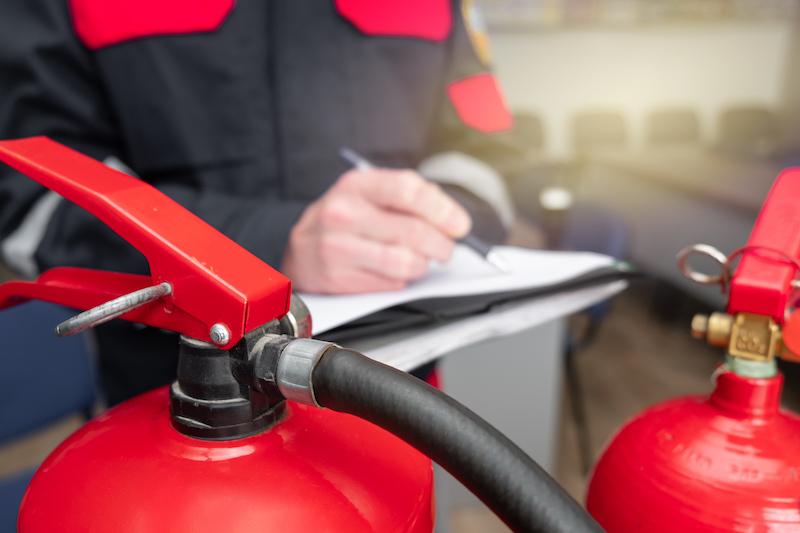
Fire safety is a top priority for businesses and property owners in London. One of the most important aspects of fire safety compliance is obtaining a fire extinguisher certificate. This certification proves that your fire extinguishers have been properly inspected, maintained, and are ready for use in an emergency.
In this detailed guide, we’ll explain everything you need to know about fire extinguisher certificates in London, including legal requirements, the certification process, benefits, and frequently asked questions.
What is a Fire Extinguisher Certificate?
A Fire Extinguisher Certificate in London is an official document issued by a qualified fire safety professional after inspecting and servicing fire extinguishers. It confirms that:
- Extinguishers are in proper working condition
- Equipment meets safety standards
- Regular maintenance has been carried out
- The property complies with fire safety regulations
This certificate is essential for businesses, landlords, and commercial property managers in London.
Legal Requirements in London
Fire extinguisher certification falls under the Regulatory Reform (Fire Safety) Order 2005. This law requires the “responsible person” (such as a business owner or landlord) to ensure that fire safety equipment is:
- Properly maintained
- Regularly inspected
- Fully functional at all times
In addition, guidelines set by the British Standards Institution (BS 5306) define how fire extinguishers should be serviced and certified.
Failure to comply can lead to fines, legal action, or even business closure in serious cases.
Why is a Fire Extinguisher Certificate Important?
Legal Compliance
Without proper certification, your property may fail fire safety inspections.
Safety Assurance
A certificate confirms that extinguishers will work effectively in case of a fire.
Insurance Requirements
Many insurance providers require proof of fire safety compliance, including certification.
Business Reputation
Maintaining certified fire safety equipment demonstrates professionalism and responsibility.
Who Needs a Fire Extinguisher Certificate?
In London, the following entities typically require fire extinguisher certification:
- Offices and commercial buildings
- Restaurants and cafes
- Retail shops
- Warehouses and factories
- Rental properties and HMOs
- Schools and healthcare facilities
Essentially, any non-domestic property must ensure fire safety compliance.
The Certification Process
Obtaining a fire extinguisher certificate involves several steps carried out by a qualified technician:
Initial Inspection
The engineer checks each extinguisher for visible damage, corrosion, or tampering.
Functional Testing
- Pressure levels are tested
- Safety seals and pins are checked
- Hoses and nozzles are inspected
Maintenance and Servicing
If any issues are found, repairs or replacements are carried out to ensure compliance.
Documentation
Once all extinguishers meet standards, a certificate is issued confirming compliance.
Labelling and Tagging
Each extinguisher is labelled with service dates and inspection details.
How Often is Certification Required?
Fire extinguisher certification is typically linked to servicing schedules:
- Annual Inspection – Required every year
- Extended Service – Every 5 years for most extinguishers
- Replacement/Overhaul – Every 10 years
Certificates are usually issued after each professional service, ensuring ongoing compliance.
Who Can Issue a Fire Extinguisher Certificate?
Only trained and competent professionals can issue valid certificates. Many certified engineers are affiliated with organizations such as BAFE, which ensures high standards in fire safety services.
Hiring a certified provider guarantees:
- Accurate inspections
- Compliance with British Standards
- Valid documentation for audits and inspections
What Does a Fire Extinguisher Certificate Include?
A typical certificate will contain:
- Name and address of the property
- Date of inspection and servicing
- Details of each extinguisher
- Type and condition of equipment
- Engineer’s name and certification
- Next service due date
This document serves as proof of compliance during fire safety audits.
Common Reasons for Certification Failure
During inspections, some extinguishers may fail to meet standards due to:
- Low or lost pressure
- Physical damage or corrosion
- Expired equipment
- Missing safety components
- Incorrect installation
If failures occur, immediate corrective action is required before certification can be issued.
Choosing a Fire Safety Company in London
Selecting the right service provider is essential for obtaining a valid certificate. Consider the following factors:
- Accreditation and certifications
- Experience in fire safety services
- Transparent pricing
- Positive customer reviews
- Quick response times
A reliable company will not only issue certificates but also provide ongoing support and maintenance.
Fire Safety Best Practices
In addition to certification, property owners should:
- Conduct regular fire risk assessments
- Train staff in fire safety procedures
- Ensure extinguishers are easily accessible
- Install fire alarms and emergency lighting
- Keep escape routes clear
Fire safety is a continuous responsibility that goes beyond certification.
A fire extinguisher certificate in London is more than just a document—it is proof that your property meets essential fire safety standards. By ensuring regular servicing, working with certified professionals, and staying compliant with regulations, you can protect lives, property, and your business.
Taking fire safety seriously not only keeps you legally compliant but also provides peace of mind in case of an emergency.
FAQs
1. Is a fire extinguisher certificate mandatory in London?
Yes, it is required under the Regulatory Reform (Fire Safety) Order 2005 to ensure fire safety compliance.
2. How long is a fire extinguisher certificate valid?
Typically, it is valid for one year and must be renewed after each annual service.
3. Can I get a certificate without servicing?
No, certification is only issued after proper inspection and servicing by a qualified professional.
4. Who is responsible for obtaining the certificate?
The “responsible person,” such as a landlord or business owner, is legally responsible.
5. What happens if I don’t have a fire extinguisher certificate?
You may face fines, legal penalties, and increased risk during fire emergencies.

 Arabic
 French
 Spanish
 Portuguese
 Deutsch
 Turkish
 Dutch
Dutch
 Italiano
 Russian
 Romaian
 Portuguese (Brazil)
 Greek
Greek