PRP (Platelet-Rich Plasma) therapy is often promoted as a modern solution for hair thinning, but one of the most important questions people ask is whether it can stop hair fall permanently. The short answer is: PRP does not permanently stop hair loss, but it can significantly reduce shedding and improve hair density for a period of time when done correctly and consistently.
Understanding how it works and what it can and cannot do is key to setting realistic expectations.
How PRP Works on Hair Loss
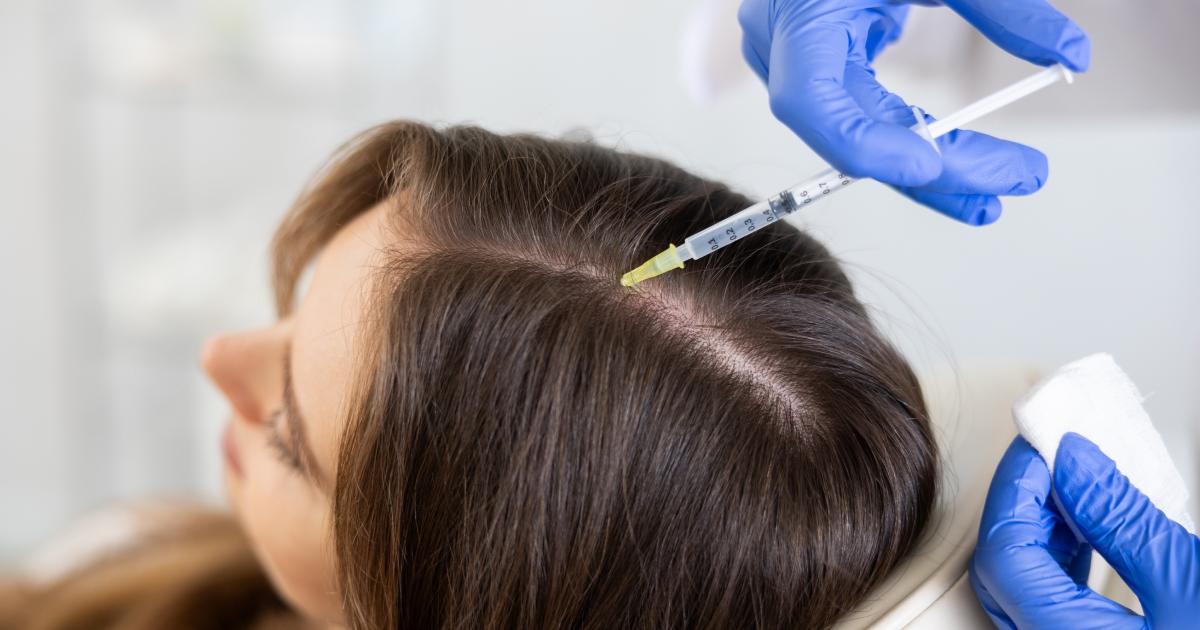
PRP works by using growth factors from your own blood to stimulate weak or dormant hair follicles. These growth factors help improve blood supply, extend the growth phase of hair, and strengthen existing strands.
It helps by:
- Reactivating weakened hair follicles
- Improving scalp blood circulation
- Strengthening hair shafts
- Reducing inflammation around follicles
However, it does not change your genetic predisposition to hair loss, which is why results are not permanent.
Why PRP Cannot Permanently Stop Hair Fall
Hair loss—especially genetic hair loss (androgenetic alopecia)—is a progressive condition. PRP does not remove the underlying cause; it only improves follicle function temporarily.
Key reasons include:
- Hair follicles continue aging over time
- Genetic sensitivity to hormones remains unchanged
- New hair loss cycles can still occur
- PRP effects gradually wear off without maintenance
So while PRP can slow down hair fall, it cannot permanently stop the biological process behind it.
What Results You Can Expect from PRP
PRP is more about control and improvement than permanent cure. Many patients experience noticeable changes, especially in early stages of hair thinning.
Common results include:
- Reduced hair shedding within 1–2 months
- Improved hair thickness and texture
- Better scalp coverage in thinning areas
- Stronger existing hair strands
However, results vary depending on age, genetics, and severity of hair loss.
How Long PRP Results Usually Last
The effects of PRP are temporary but can be maintained with proper follow-up sessions. Without maintenance, results gradually decline.
Typical timeline:
- Initial improvement: 1–3 months
- Peak results: 3–6 months after starting treatment
- Gradual fading: after 6–12 months without maintenance
To sustain results, most clinics recommend periodic booster sessions.
Maintenance Is the Key to Long-Term Control
PRP is not a one-time solution. It requires ongoing care to maintain results and slow further hair loss progression.
Common maintenance plan includes:
- 3–4 initial sessions spaced 4–6 weeks apart
- Maintenance sessions every 4–6 months
- Combination with topical treatments like minoxidil (if advised)
- Lifestyle improvements (diet, stress control, sleep)
This ongoing approach is what helps keep hair fall under control.
Who Benefits Most from PRP
PRP works best for people in early to moderate stages of hair loss. It is less effective in advanced baldness where follicles are no longer active.
Best candidates include:
- People with early thinning or receding hairline
- Individuals with stress-related shedding
- Postpartum hair loss patients
- Those with active but weak follicles
In these cases, PRP can significantly slow down progression.
When PRP May Not Be Enough
There are situations where PRP alone cannot deliver strong or lasting results.
Limitations include:
- Advanced baldness with inactive follicles
- Severe genetic hair loss progression
- Long-standing untreated hair thinning
- Poor response due to underlying health issues
In such cases, treatments like hair transplant or combination therapy may be more effective.
Final Thoughts:
PRP does not permanently stop hair fall, but it is an effective tool for slowing hair loss, improving hair quality, and maintaining existing density. Think of it as a management treatment rather than a cure. With proper maintenance and realistic expectations, PRP can play a valuable role in long-term hair health, especially when started early.



 English
 Arabic
 French
 Spanish
 Portuguese
 Deutsch
 Dutch
Dutch
 Italiano
 Russian
 Romaian
 Portuguese (Brazil)
 Greek
Greek