


What Makes a Vehicle Feel Smooth on the Road
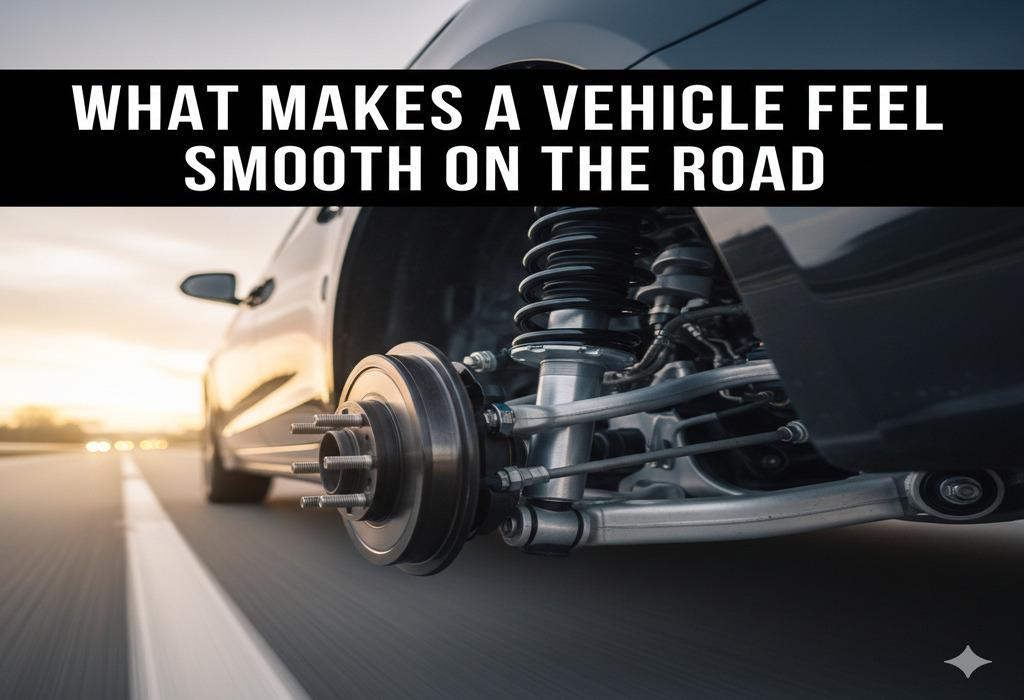
For many drivers in the UAE, the daily commute is a significant part of life. Whether driving from Sharjah to Dubai or navigating the streets of Abu Dhabi, time spent in the car adds up. Consequently, the quality of that time is paramount.
A smooth driving experience is often the defining characteristic of a good vehicle. It is the feeling of gliding over the road rather than battling it. This sensation reduces fatigue and makes even the longest journeys manageable.
However, achieving this level of refinement is not just about buying a luxury car. It is the result of multiple mechanical systems working in harmony. From tyres to suspension, every component plays a role in how the car feels.
Understanding these factors empowers drivers to maintain and improve their vehicle's comfort. It allows you to identify issues before they ruin your drive. Let us explore the engineering magic that keeps your ride smooth.
Understanding What a Smooth Driving Experience Really Means
Smoothness is often described as a lack of intrusion. It means you do not feel every pebble on the road or hear every gust of wind. It is a state where the vehicle isolates you from the harshness of the environment.
This isolation must be balanced with feedback. You still need to know what the car is doing to drive safely. A smooth car communicates grip levels without transmitting shock.
In the context of UAE driving, smoothness also means stability. At highway speeds, the car should feel planted and secure. In the city, it should absorb speed bumps without crashing.
Comfort vs Performance, Finding the Right Balance
There is often a trade-off between ultimate comfort and sporty performance. A racing car is incredibly stiff to maximize grip, but it would be miserable on a daily commute. A luxury limousine is soft but may roll too much in corners.
Most modern vehicles aim for a middle ground. They use sophisticated damping to provide both compliance and control. This balance ensures the car is comfortable for passengers but engaging for the driver.
For the average motorist, prioritizing comfort usually yields the best daily experience. It makes the stop-and-go traffic of city centers less stressful. It turns the car into a sanctuary rather than a machine.
Why Smooth Driving Feels Different for Every Driver
Perception of smoothness is subjective. A driver used to a sports coupe might find a family sedan floaty and vague. A driver used to an SUV might find a sedan harsh and low.
Your driving habits also shape your perception. If you drive aggressively, you might value stiffness over softness. If you cruise gently, you will appreciate a plush suspension setup.
The roads you frequent play a role too. Smooth highways mask suspension flaws that city streets expose. Understanding your own preferences helps you choose and maintain the right vehicle.
How Suspension Systems Influence Ride Comfort
The suspension system is the primary filter between the road and the cabin. It consists of springs that support the car's weight and shock absorbers that control the springs' movement. When these work together, the ride is fluid.
Springs compress when a wheel hits a bump, absorbing the energy. Without shock absorbers, the car would continue to bounce like a pogo stick. The shocks dampen this motion, settling the car quickly.
In the UAE, suspension components face a tough life. Heat, sand, and speed bumps accelerate wear. Maintaining these parts is essential for preserving ride quality.
Shock Absorbers and Springs Working Together
The relationship between the spring and the shock absorber is critical. They must be tuned to work in unison. If the spring is too stiff for the shock, the ride will be bouncy.
If the shock is too stiff for the spring, the ride will be harsh. Manufacturers spend millions tuning this relationship for each specific vehicle model. They test on varied surfaces to ensure versatility.
When you replace suspension parts, sticking to original equipment specifications is wise. It preserves the balance intended by the engineers. It ensures the smooth driving experience remains consistent.
Signs Suspension Issues Affect Driving Smoothness
A worn suspension system announces itself through the seat of your pants. If your car dives when you brake or squats when you accelerate, the shocks are likely weak. This lack of control is unsettling.
Excessive bouncing after a bump is a clear sign of failure. The car should settle in one rebound motion. Continued oscillation means the dampers are not doing their job.
Knocking sounds over rough roads indicate worn bushings or mounts. These rubber parts isolate metal-to-metal contact. When they fail, the refinement of the vehicle is lost.
Tyres as a Key Factor in Road Smoothness
Tyres are the first line of defense against road imperfections. They are essentially air springs that wrap around the wheel. The volume of air and the flexibility of the sidewall determine how much initial shock is absorbed.
Many drivers underestimate the role of tyres in comfort. They focus on tread life or price, ignoring the impact on ride quality. However, a good set of tyres can transform a car.
Choosing tyres designed for comfort reduces road noise and vibration. It smooths out the high-frequency buzz from coarse asphalt. It is the most cost-effective upgrade for ride quality.
How Tyre Size and Construction Affect Ride Quality
The physical dimensions of a tyre dictate its comfort potential. A tyre with a tall sidewall has more room to flex and absorb bumps. Low-profile tyres look sporty but transmit more shock to the rim and suspension.
Construction materials also matter. Softer rubber compounds tend to be quieter and more compliant. Reinforced sidewalls for run-flat tyres are stiffer and can make the ride harsher.
Drivers looking for optimal comfort often choose specific sizes like 235/55R18 because this specification offers a generous sidewall height that effectively cushions the ride against road imperfections while maintaining stability. This balance is crucial for daily driving on mixed surfaces. It ensures the tyre can deform appropriately without bottoming out.
The Role of Tyre Pressure in Smooth Driving
Tyre pressure is the tuning knob for your ride quality. Overinflated tyres are rock hard and bounce over every pebble. This transmits vibration directly to the steering wheel.
Underinflated tyres are soft but wallow in corners and generate heat. They feel sluggish and imprecise. Finding the manufacturer's recommended pressure is vital.
In the UAE summer, pressure rises with heat. Checking and adjusting pressures when tyres are cool ensures consistency. It keeps the ride plush without compromising safety or fuel economy.
Steering, Alignment, and Vehicle Balance
Steering feel contributes significantly to the perception of smoothness. A car that tracks straight requires less mental and physical effort to drive. You can relax your grip on the wheel.
Alignment ensures that all four wheels are pointing in the correct direction. If they are fighting each other, the car feels nervous and jittery. It creates a constant low-level vibration.
Proper alignment reduces friction and allows the car to roll freely. This "gliding" sensation is a hallmark of a well-set-up vehicle. It makes highway cruising effortless.
Why Proper Wheel Alignment Improves Smoothness
When wheels are aligned, they work together. The car responds linearly to steering inputs. There is no dead spot or pulling to one side.
This precision makes the car feel tighter and more refined. It eliminates the wandering that causes driver fatigue. On long UAE highways, straight-line stability is a major comfort factor.
Misalignment also causes uneven tyre wear, which leads to noise. A tyre with "sawtooth" wear will drone loudly at speed. Keeping alignment in check preserves the quietness of the cabin.
Steering Feedback and Driver Confidence
The steering wheel is your handshake with the car. It should filter out harsh impacts while transmitting grip levels. Too much feedback feels rough; too little feels numb.
A smooth steering system uses hydraulic or electric assistance to dampen shocks. It isolates the driver's hands from the violence of the road surface. This filtering is essential for a premium feel.
Confidence comes from knowing the car will go where you point it. Predictable steering response allows for smoother inputs. This virtuous cycle enhances the overall driving experience.
Road Conditions and Their Impact on Driving Feel
The road surface is the canvas upon which your car performs. In the UAE, road quality is generally excellent but varied. Understanding how different surfaces affect your car helps you adapt.
Smooth new asphalt is silent and grippy. Concrete highways can be louder and transmit more rhythmic vibration. Construction zones offer unpredictable bumps and transitions.
Your vehicle must be versatile enough to handle all these scenarios. A setup that is too specialized will suffer on imperfect roads. Adaptability is key to consistent comfort.
Urban Roads vs Highways in the UAE
City driving involves frequent speed bumps and manhole covers. Here, the suspension's ability to compress quickly is tested. A compliant setup shines in this environment.
Highway driving is about high-speed stability. The car must resist crosswinds and settle quickly after expansion joints. A slightly firmer setup provides the necessary control at 120 km/h.
Commuters between Sharjah and Dubai experience both extremes daily. A well-maintained car bridges this gap seamlessly. It provides comfort in the jam and confidence in the fast lane.
Heat and Road Surfaces in Dubai and Sharjah
Heat affects the road surface itself. Asphalt expands in the summer, sometimes creating ridges or ripples. These imperfections can cause high-frequency vibrations.
Tyres also run hotter, increasing their internal pressure. This makes them stiffer exactly when the road might be rougher. Being aware of this helps you manage expectations during summer months.
Sand on the road reduces grip, which can trigger traction control systems. These interventions can feel jerky. Driving smoothly on sandy patches maintains the fluid feel of the car.
Driving Habits That Enhance or Reduce Ride Smoothness
The driver is the final component in the smoothness equation. Your inputs can either unsettle the car or help it flow. The smoothest cars are often driven by the smoothest drivers.
Jerky acceleration and braking pitch the car back and forth. This motion is uncomfortable for passengers and stressful for the suspension. It disrupts the balance of the vehicle.
Learning to drive smoothly is a skill that pays dividends. It reduces wear on the car and stress on the occupants. It is the most effective way to improve ride quality instantly.
Smooth Acceleration and Braking Techniques
Imagine there is an open cup of water on your dashboard. Drive so you don't spill a drop. This visualization encourages gradual inputs.
Squeeze the accelerator and brake pedals rather than stomping them. This allows the suspension to load up progressively. It keeps the body flat and composed.
Anticipate traffic flow to minimize the need for sudden stops. Coasting to a red light is smoother than braking hard at the last second. It maintains momentum and flow.
Load Management and Passenger Weight Balance
A heavy car rides differently than a light one. The suspension is compressed, leaving less travel for bumps. Overloading a vehicle can cause it to bottom out on speed bumps.
Distribute weight evenly in the car. Heavy items in the boot can lift the front, affecting steering feel. Balanced loading preserves the geometry of the suspension.
If you carry heavy loads regularly, adjust your tyre pressures. Higher pressure in the rear tyres can help support the weight. This restores the balance and safety of the ride.
Conclusion
The quest for a smooth driving experience is a journey of maintenance and awareness. It is not achieved by one single part but by the synergy of many. Tyres, suspension, and driver input all must align.
By keeping your vehicle in top condition, you preserve the engineering magic beneath the metal. You ensure that every journey is as relaxing as possible. It turns the daily commute from a chore into a pleasure.
Take the time to check your tyres and listen to your suspension. Adopt a smoother driving style. These small efforts create a profound difference in how your car feels on the road.
FAQ Section
What is the main factor behind a smooth driving experience?
It is a balance of tyres, suspension, and driving habits.
Do tyres really affect ride comfort?
Yes, they absorb road imperfections directly.
Can driving habits change how smooth a car feels?
Yes, smoother inputs improve comfort significantly.
Does UAE heat affect driving smoothness?
Yes, heat impacts tyres, suspension, and road surfaces.

 English
 French
 Spanish
 Portuguese
 Deutsch
 Turkish
 Dutch
Dutch
 Italiano
 Russian
 Romaian
 Portuguese (Brazil)
 Greek
Greek