


The Coolants Are The Invisible Partners In The Metalworking Process
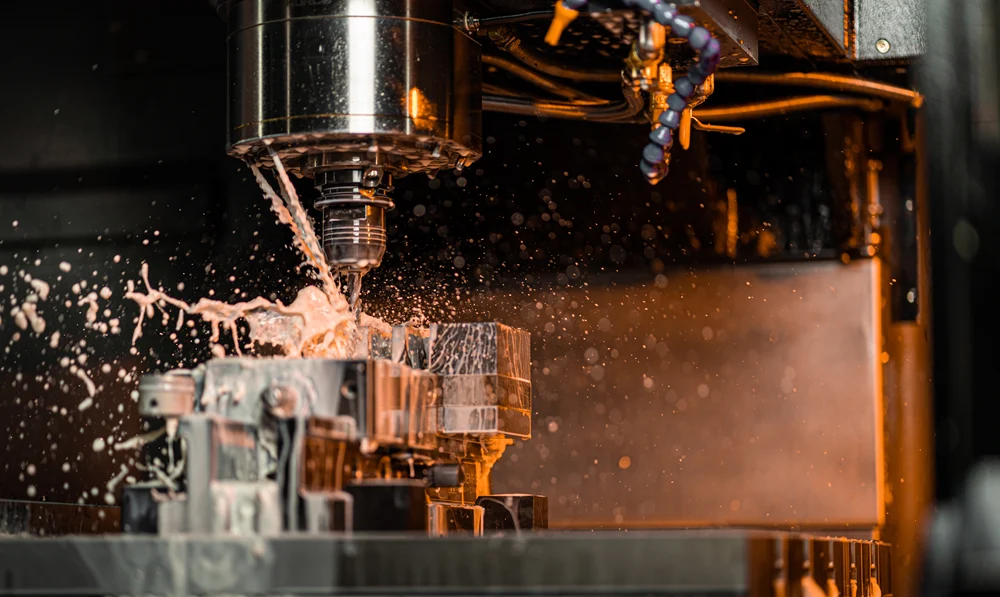
One of the most important components, coolants is frequently overlooked in the frenetic world of metalworking, which is characterized by the production of complicated parts by powerful machines with surgical precision. The smooth operation and successful completion of each and every cutting process are ensured by these modest fluids, which discreetly carry out essential functions.
The machines steal the show with their remarkable feats of engineering, and the operators show off their technical knowledge. However, coolants are working behind the scenes, like quiet partners, and they play an essential part in ensuring that the delicate balance of heat and friction is maintained.
The Enemy That Lies Within Is Heat.
During the process of cutting metal, a substantial amount of heat is produced, and if it is not managed properly, it can threaten both efficiency and precision. Tool dulling, warping of workpieces, and enormous pressure on machinery are all consequences of this. It is at this point that coolants come into play; they perform the function of heat shields, absorbing and transporting away the heat that is generated before it can cause damage.
Lubrication And Protection Are More Important Than Cooling In This Situation:
The function of coolants extends beyond that of thermal regulators; in addition, they perform the function of lubricants. Reduced friction between the tool and the workpiece helps to reduce wear and tear, which in turn extends the lifespan of both the tool and the workpiece. Take into consideration the fact that it is similar to smoothing the path for the cutting tool, which enables it to move through the metal with ease and leaves behind a finish that is clean and exact.
On the other hand, the advantages of coolants go beyond the performance they provide right away. They frequently include corrosion inhibitors, which perform the function of invisible armor by shielding tools and workpieces against rust and other types of deterioration. In addition to lowering the expenses of maintenance, this also ensures that costly equipment will last for a longer period of time.
How Coolants Have Evolved Over Time:
The universe of coolants is not completely unchanging. In the same way that it supports the metalworking industry, it is continuously reinventing itself in order to meet new difficulties and embrace environmentally responsible methods.
The following are some of the most important trends that are driving this evolution:
Environmental concerns are fueling the eco-friendly revolution and encouraging the development of bio-based and biodegradable coolants. These green coolants offer the same level of performance as traditional coolants with the added benefit of less environmental impact. It would benefit efficiency and the environment by keeping the production line operating smoothly and reducing your carbon footprint at the same time.
Due to their improved performance, synthetic coolants or metal working fluids MWF are becoming more and more popular, which is driving them forward. Not only that, but they also last longer, have better wear resistance, and can tolerate a greater variety of temperatures than their mineral oil-based competitors. Stated differently, consider it an upgrade for your car's engine oil, which will lead to better protection and performance and require fewer changes.
Lubrication systems with intelligence: Ironworking machinery is starting to include intelligent lubricating systems. By optimizing coolant distribution through the use of sensors and data analytics, these intelligent systems ensure that the right amount is delivered at the right time to the right place. Imagine if a production line could adjust its coolant consumption on its own in response to demands that arise in real-time. This would lead to increased productivity and reduced waste—the perfect combination for cost savings.
Selecting The Most Appropriate Coolant:
Contrary to popular belief, not all coolants are created equal. It is essential to find the ideal fit for your particular application in order to achieve the greatest results. Here is an essential enumeration of factors to contemplate:
Variety Of Metal:
Diverse metals exhibit distinct thermal responses to coolants and procure cutting materials with varied properties. It is advisable to utilize a coolant that has been specifically formulated for the metal type being processed. Comparing the appropriate instrument to the appropriate task is similar to ensuring both quality and efficiency.
Turning, honing, and drilling are the stages comprising the machining procedure. A unique amount of heat is generated during each of these processes, which requires a distinct amount of lubrication throughout. Confirm that the coolant you choose possesses the appropriate viscosity and lubricating properties to complement the approach you have previously chosen. By employing the appropriate coolant for the given task, one can guarantee the proper operation of all components. Comparable to determining which equipment to use on a given terrain.
Use of Tools:
With regard to tooling, particular coolants might be necessary for optimal performance or compatibility of a given tool. It is imperative to consistently refer to the instructions yielded by the device's manufacturer. Comparable to comprehending the inner workings of an engine, the proper application of coolant can facilitate optimal apparatus performance.
Environmental Policies and Standards:
A comprehensive understanding of any local environmental regulations or restrictions that may apply to the utilization of specific coolants is paramount. By opting for an environmentally sustainable coolant, you are not only contributing to the preservation of the natural environment but also fulfilling your legal responsibilities. Analogous to the procedure one would undertake to adhere to traffic regulations.
The Primary Point:
Although coolants may not garner the same degree of notoriety as the machinery and engines they support, their significance within the metalworking sector is beyond dispute. Through the regulation of heat and friction produced during the operation, they are able to guarantee impeccable cutting, increased productivity, and a prolonged tool lifespan. Notwithstanding the perpetual progression of the sector, it is exceedingly likely that new technologically advanced coolants or water-soluble cutting oil manufacturers will endure as covert collaborators. Concurrently, they shall ensure that production lines continue to function as well-oiled machinery and covertly explore the frontiers of metalworking.

 English
 Arabic
 French
 Spanish
 Portuguese
 Deutsch
 Turkish
 Dutch
Dutch
 Italiano
 Russian
 Portuguese (Brazil)
 Greek
Greek