


How to Prepare for a Lab Test at Home for Accurate Results?
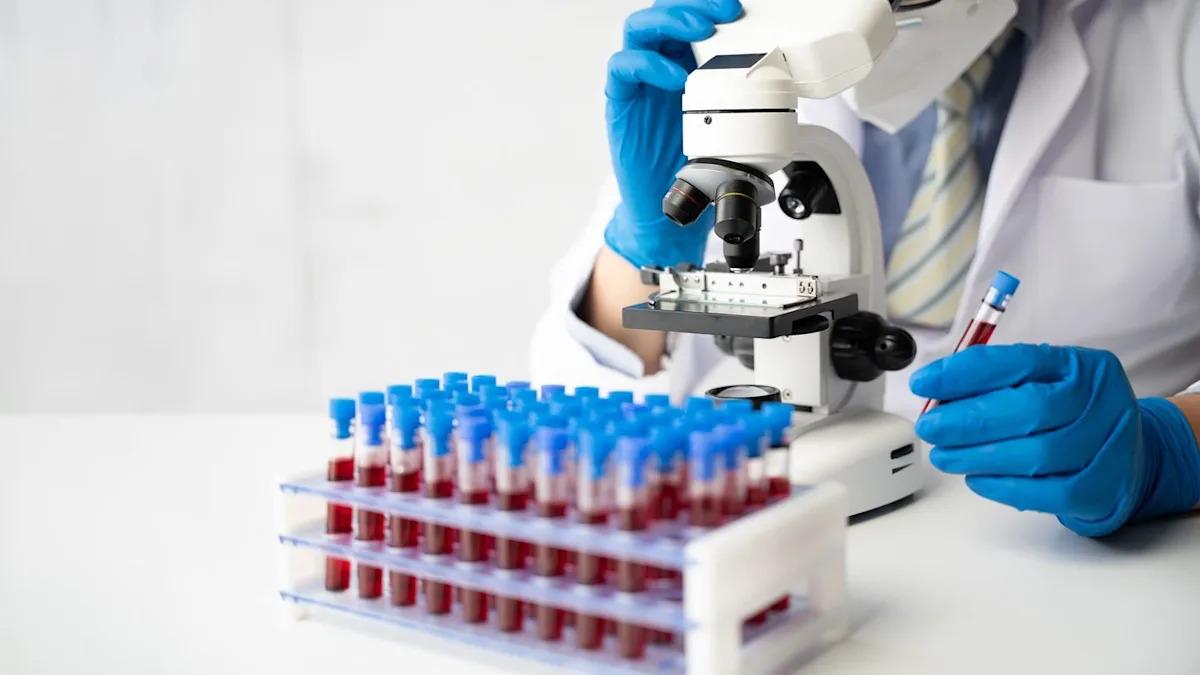
Home healthcare has transformed the way people access diagnostic services, making routine medical testing more convenient than ever. With a Lab Test at Home in Dubai, you no longer need to travel to a diagnostic center or spend time waiting in long queues. Instead, a trained healthcare professional visits your home, collects the required sample, and ensures it reaches an accredited laboratory for analysis. While this process offers exceptional convenience, accurate test results also depend on proper preparation before the sample is collected.
Many laboratory tests are sensitive to factors such as food intake, hydration, medications, exercise, and even sleep patterns. Failing to follow preparation guidelines may affect the accuracy of your results and, in some cases, require repeat testing. Understanding how to prepare correctly helps ensure that your laboratory reports provide reliable information for your healthcare provider.
This comprehensive guide explains everything you should do before a home laboratory test, common preparation mistakes to avoid, and practical tips that help produce accurate diagnostic results.
Why Preparation Matters Before a Home Lab Test?
Laboratory tests measure various components in your blood, urine, or other biological samples. These measurements help healthcare professionals evaluate your overall health, diagnose medical conditions, monitor ongoing treatments, and support preventive healthcare.
Several everyday activities can temporarily influence laboratory values, including eating, drinking certain beverages, physical activity, smoking, alcohol consumption, and medications. Proper preparation minimizes these variables, allowing the laboratory to produce results that accurately reflect your health status.
Whether you are undergoing a Complete Blood Count (CBC), blood glucose test, thyroid profile, lipid profile, liver function test, kidney function test, or vitamin assessment, following the recommended instructions is an essential part of the testing process.
Confirm Your Test Requirements Before Booking:
Not every laboratory investigation requires the same preparation. Before your appointment, carefully review the instructions provided by the diagnostic provider or your healthcare professional.
You should confirm:
-
Whether fasting is required
-
The recommended appointment time
-
Any dietary restrictions
-
Medication guidelines
-
Whether additional documents or prescriptions are needed
Understanding these requirements in advance helps prevent unnecessary delays or inaccurate results.
Follow Fasting Instructions Carefully:
One of the most common preparation requirements for blood tests is fasting. Certain laboratory investigations require you to avoid eating for a specific period before sample collection because food can temporarily alter blood chemistry.
Tests that may require fasting include:
-
Blood Glucose Test
-
Lipid Profile
-
Fasting Blood Sugar
-
Certain metabolic panels
During a fasting period, plain water is generally permitted unless your healthcare provider advises otherwise. Avoid consuming tea, coffee, juice, chewing gum, or sugary drinks if fasting has been recommended.
Always follow the exact fasting duration provided by your laboratory or physician.
Stay Properly Hydrated:
Hydration plays an important role in making blood sample collection easier and more comfortable. Drinking enough water before your appointment can help improve vein visibility, allowing the phlebotomist to collect the sample more efficiently.
Unless you have been instructed to limit fluids for a specific medical reason, staying well hydrated is usually beneficial before most blood tests.
However, avoid replacing water with soft drinks, energy drinks, or beverages containing sugar or caffeine if fasting is required.
Inform the Laboratory About Your Medications:
Many prescription medications, vitamins, herbal supplements, and over-the-counter drugs can influence laboratory results.
Before sample collection, inform the healthcare professional about:
-
Prescription medicines
-
Vitamin supplements
-
Herbal products
-
Hormone therapy
-
Blood-thinning medications
Never stop taking prescribed medication without consulting your healthcare provider. The laboratory or physician will advise whether any temporary adjustments are necessary before testing.
Get Enough Sleep the Night Before:
Sleep is often overlooked when preparing for laboratory investigations. Poor sleep may temporarily affect certain hormone levels and other biological markers.
Aim to get adequate rest before your appointment, especially if you are scheduled for routine health screening or hormone-related testing.
A well-rested body contributes to more stable physiological measurements.
Avoid Strenuous Exercise Before Testing:
Intense physical activity immediately before blood collection can influence certain laboratory values, including muscle enzymes, blood sugar, and hormone levels.
If possible:
-
Avoid vigorous workouts before your appointment.
-
Choose light daily activities instead.
-
Follow any activity restrictions recommended by your physician.
Maintaining your normal routine while avoiding excessive exertion helps support accurate results.
Limit Alcohol and Tobacco Use:
Alcohol and tobacco may temporarily affect several laboratory measurements depending on the type of investigation being performed.
If your healthcare provider recommends avoiding alcohol or smoking before testing, follow those instructions carefully.
Reducing these temporary influences improves the reliability of diagnostic results.
Wear Comfortable Clothing:
Since many home laboratory investigations involve blood sample collection, wearing clothing with loose or easily rolled-up sleeves can simplify the procedure.
Comfortable clothing also allows the healthcare professional to access your arm safely while minimizing discomfort during sample collection.
Simple preparation contributes to a smoother appointment.
Keep Essential Documents Ready:
Before the technician arrives, organize any necessary documents to avoid delays.
These may include:
-
Government-issued identification
-
Doctor's prescription
-
Previous laboratory reports
-
Appointment confirmation
Having these items available allows the collection process to proceed efficiently.
Prepare Your Home Environment:
Home sample collection requires only a small, clean, and comfortable space.
Choose an area with:
-
Good lighting
-
A chair or table
-
Easy accessibility
-
Minimal distractions
Creating a suitable environment helps both you and the healthcare professional during the appointment.
Common Laboratory Tests That Benefit From Proper Preparation:
Many routine investigations depend on patient preparation for optimal accuracy.
Common examples include:
-
Complete Blood Count (CBC)
-
Blood Sugar Test
-
HbA1c
-
Lipid Profile
-
Liver Function Test
-
Kidney Function Test
-
Thyroid Profile
-
Vitamin D Test
-
Vitamin B12 Test
-
Iron Studies
-
Hormone Profile
-
Uric Acid Test
-
Preventive Health Packages
Preparation requirements vary depending on the specific investigation.
Mistakes That Can Affect Test Accuracy:
Even small mistakes may influence laboratory results.
Common errors include:
-
Ignoring fasting instructions
-
Drinking sugary beverages before testing
-
Forgetting to disclose medications
-
Arriving unprepared
-
Exercising intensely before sample collection
-
Becoming dehydrated
-
Consuming alcohol before testing
Avoiding these mistakes reduces the likelihood of repeat testing and improves diagnostic reliability.
Choosing a Reliable Home Laboratory Provider:
Preparation alone cannot guarantee accurate results. The quality of the laboratory also plays a significant role.
Before booking a home sample collection service, look for:
Accredited Laboratory:
Choose providers that follow recognized quality standards and laboratory accreditation requirements.
Certified Phlebotomists:
Ensure that trained healthcare professionals perform sample collection using sterile, single-use equipment.
Safe Sample Transportation:
Reliable providers transport specimens under controlled conditions to preserve sample quality.
Digital Report Delivery:
Secure online reports make it easier to access, store, and share your laboratory results.
Responsive Customer Support:
A trustworthy provider offers clear preparation instructions and assistance throughout the testing process.
Frequently Asked Questions:
Do All Blood Tests Require Fasting?
No. Only specific laboratory investigations require fasting. Always follow the preparation instructions provided for your particular test.
Can I Drink Water Before My Appointment?
In most cases, plain water is permitted and may even help make blood collection easier. Follow your laboratory's specific instructions.
Should I Continue Taking My Medications?
Do not stop prescribed medications unless instructed by your healthcare provider. Always inform the laboratory about any medicines or supplements you are taking.
How Long Does Home Sample Collection Take?
Most appointments are completed within 15 to 30 minutes, depending on the number of tests ordered.
Final Thoughts:
Preparing properly for a Lab tests at home is one of the simplest ways to ensure accurate and reliable laboratory results. Following fasting instructions, staying hydrated, getting enough rest, disclosing medications, avoiding strenuous activity, and choosing a trusted diagnostic provider all contribute to a successful testing experience. These small but important steps help laboratories generate dependable reports that support accurate diagnosis, preventive healthcare, and effective treatment planning.
As home diagnostic services continue to make healthcare more accessible, taking the time to prepare correctly allows you to benefit fully from the convenience of professional sample collection while maintaining the highest standards of laboratory accuracy. With careful preparation and regular health monitoring, you can make informed decisions about your well-being from the comfort of your own home.

 English
 Arabic
 French
 Spanish
 Portuguese
 Deutsch
 Dutch
Dutch
 Italiano
 Russian
 Romaian
 Portuguese (Brazil)
 Greek
Greek