


Why a Seiko Watch Still Makes Sense in a Smartwatch World
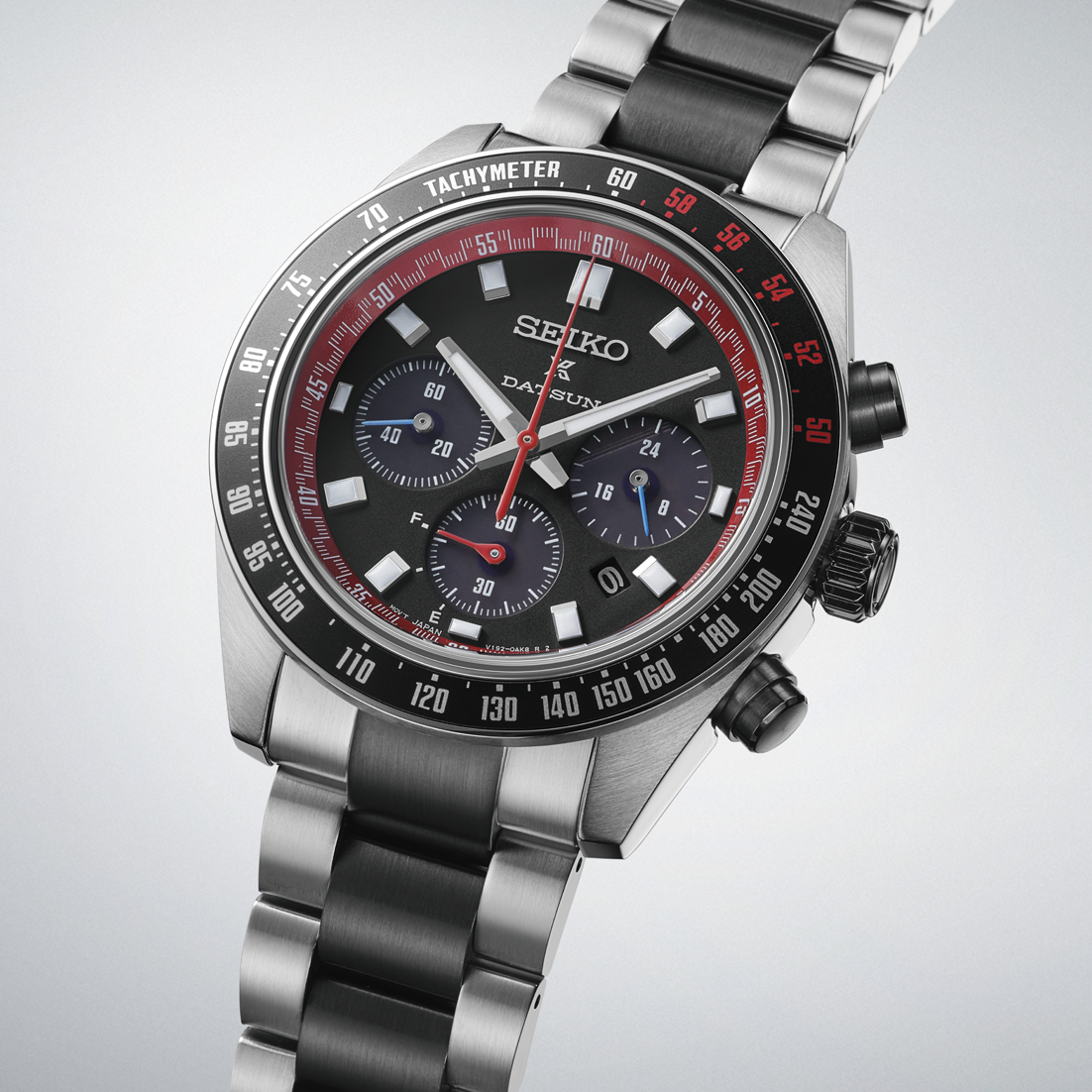
Why a Seiko Watch Still Makes Sense in a Smartwatch World
Walk through any conversation about buying a first "real" watch, and Seiko's name comes up almost immediately. Not because it's the loudest brand in the room or the one with the biggest marketing budget, but because it occupies a strange and enviable position: respected by hardcore collectors, trusted by everyday buyers, and somehow still affordable enough that owning one doesn't require months of saving. In an era when most people check the time on their phone, the fact that Seiko watches remain genuinely desirable says something about what they actually offer beyond just telling time.
The Case for Owning One at All
It's a fair question. Why buy a wristwatch when every phone, laptop, and smart speaker already tells you the time? The honest answer is that a Seiko watch was never really about solving that particular problem. It's about the tactile experience of an object built with intention — the weight of a stainless steel case, the resistance of a rotating bezel, the small satisfaction of watching a mechanical second hand sweep across a dial. There's also a practical argument that doesn't get made often enough: a mechanical or quartz watch doesn't need charging, doesn't buzz with notifications, and doesn't demand attention the way a smartwatch does. For plenty of people, that quiet independence from the digital ecosystem is exactly the appeal.
Understanding What You're Actually Buying
One thing that trips up first-time buyers is assuming all Seiko watches are built the same way under the hood. In reality, the brand spans several distinct movement technologies, each with a different value proposition.
Quartz movements, powered by a battery and regulated by a vibrating quartz crystal, offer excellent accuracy with minimal maintenance. These are typically the most affordable entry points into the Seiko catalog and make sense for buyers who want reliable, low-effort timekeeping.
Automatic movements, found across lines like the Seiko 5 and Prospex collections, are entirely mechanical, powered by a rotor that winds the mainspring using the natural motion of the wearer's wrist. These appeal to buyers who value the craftsmanship of traditional watchmaking and don't mind that automatic watches are slightly less accurate than quartz counterparts, typically drifting by a handful of seconds per day rather than staying perfectly locked to atomic time.
Then there's Spring Drive, a Seiko-exclusive hybrid technology found in higher-end pieces, which combines mechanical power generation with quartz-level accuracy and produces a smooth, continuous sweep of the second hand rather than the ticking motion typical of both standard quartz and automatic movements. It's a genuinely unique middle ground that few other brands can replicate, since the underlying patents belong to Seiko.
What Separates a Good Seiko From a Great One
Not every Seiko watch is created equal, and understanding the tiering helps buyers avoid either overpaying or underestimating what they're getting. Entry-level lines prioritize accessibility and everyday durability, often featuring Hardlex crystal, which resists shattering but scratches more easily than sapphire. Mid-tier watches, particularly within the Prospex diving and field watch collections, step up to sapphire crystal, improved water resistance, and more refined case finishing. At the top of the pyramid sits Grand Seiko, technically a separate brand today but built on the same engineering philosophy, where hand-finished cases, meticulously adjusted movements, and dials inspired by natural phenomena like snowfall and birch forests command prices that rival the most respected Swiss manufacturers.
For most buyers, the sweet spot lives in the middle of that range — watches good enough to feel genuinely special, without stepping into territory where the price tag stops reflecting practical value and starts reflecting pure exclusivity.
Durability That Matches the Price Point
A recurring theme across Seiko's lineup, regardless of price tier, is that these watches are built to be worn, not preserved behind glass. Water resistance ratings suitable for swimming and daily exposure to the elements are common even in budget-friendly models. Case and bracelet construction tends to favor solid, functional design over delicate detailing that might not survive years of daily wear. This durability-first mindset stems from Seiko's manufacturing approach, which keeps the vast majority of production in-house, allowing tighter quality control across even its most affordable offerings.
The Long-Term Value Argument
One underappreciated aspect of owning a Seiko watch is how well the brand holds up over time, both mechanically and in terms of resale interest. Vintage Seiko models from the 1960s and 70s, once considered budget alternatives to their Swiss counterparts, have developed genuine collector followings, with certain references now commanding prices far beyond their original retail cost. That's a rare trajectory for a mass-produced watch brand, and it reflects just how seriously Seiko has always approached the engineering behind even its most accessible pieces.
Making the Decision
Choosing a Seiko watch ultimately comes down to matching intent with the right tier and movement type. Someone wanting a low-maintenance daily companion will likely gravitate toward a quartz model. Someone drawn to the romance of mechanical engineering will find automatic optionss genuinely satisfying to own. And someone chasing the absolute peak of what Japanese watchmaking can achieve will eventually find their way to Grand Seiko. Wherever a buyer lands within that range, the underlying promise stays consistent: a watch built with real engineering integrity, priced in a way that respects the buyer rather than exploiting brand prestige alone.

 English
 Arabic
 French
 Portuguese
 Deutsch
 Turkish
 Dutch
Dutch
 Italiano
 Russian
 Romaian
 Portuguese (Brazil)
 Greek
Greek