


Everything Applicants Should Know About the Visa Blood Test
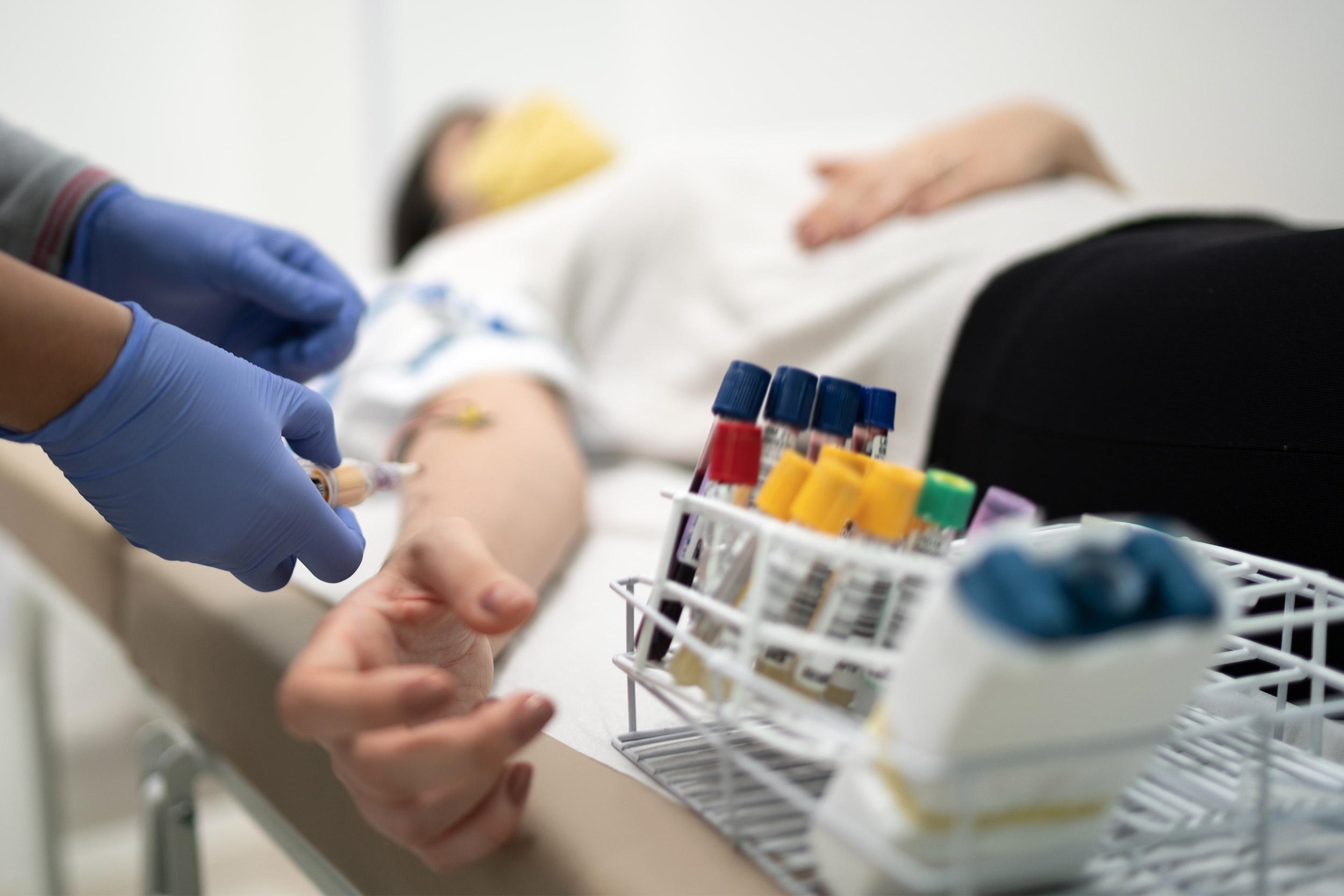
For many people, receiving a request for an immigration medical examination is the moment when the visa process starts to feel truly official. Along with collecting documents and preparing for interviews, applicants may also need to complete a visa blood test. This requirement often raises questions such as: Why is it needed? What diseases are screened? How long does the process take? Can the results affect the visa application?
The good news is that the Visa Blood Test Dubai is a routine and professionally managed procedure performed for thousands of immigration applicants every day. Understanding how it works can reduce stress, help you prepare properly, and prevent avoidable delays in your immigration journey.
This comprehensive guide explains everything applicants should know about the visa blood test, including its purpose, procedures, common screenings, preparation tips, results, and what happens next.
The Big Picture: Why Immigration Authorities Ask for a Blood Test
A visa blood test is not simply an administrative formality. It is part of an immigration medical examination designed to help governments maintain public health standards while processing long-term visa applications.
Immigration authorities use medical screening to:
-
Identify certain communicable diseases
-
Ensure applicants meet national health requirements
-
Determine whether additional medical evaluation is needed
-
Support safe international migration
-
Apply health regulations consistently across all applicants
Rather than being intended to exclude healthy travelers, the process helps create a standardized medical assessment for people planning to live, work, study, or settle abroad.
Which Visa Applicants Usually Need Blood Testing?
Not every visa category includes medical screening.
Blood testing is commonly required for:
-
Permanent residency applications
-
Employment and work visas
-
Skilled migration programs
-
Family sponsorship visas
-
Long-term residence permits
-
Some student visas
Applicants traveling for tourism or short business visits usually do not need a visa blood test unless specifically instructed by immigration authorities.
Because requirements differ between countries, always check the official instructions provided with your visa application.
What Is Actually Tested?
One of the most common misconceptions is that immigration blood tests check for every possible medical condition. In reality, testing is limited to conditions specified by the destination country's immigration regulations.
Common screenings may include:
Syphilis Testing:
Many countries require blood testing for syphilis in adult applicants because it is a communicable disease that can be effectively treated when detected early.
HIV Screening:
Some immigration programs include HIV testing, although many countries no longer refuse visas solely based on HIV status.
Hepatitis Screening:
Applicants entering healthcare or certain regulated professions may undergo Hepatitis B or Hepatitis C testing depending on national policies.
Additional Laboratory Investigations:
If necessary, physicians may request further blood tests to clarify existing medical conditions or unusual laboratory findings.
The exact list of required tests depends on your destination country, visa type, age, and occupation.
Before the Appointment: The Most Important Preparation Steps:
A smooth immigration medical examination begins before you arrive at the clinic.
Confirm You Are Visiting an Approved Medical Center:
Immigration authorities usually accept reports only from designated panel physicians or approved medical clinics.
Visiting an unauthorized facility may result in your medical report being rejected.
Gather Required Documents:
Most clinics ask applicants to bring:
-
Valid passport
-
Visa application reference number
-
Medical examination request letter
-
Government-issued identification
-
Passport-sized photographs if requested
-
Vaccination records
-
Previous medical reports
-
Prescription medication information
Organizing these documents in advance helps registration proceed quickly.
Check Fasting Instructions:
Most immigration blood tests do not require fasting.
However, some clinics include additional laboratory investigations that may require avoiding food for several hours.
Always follow the instructions provided by your medical center rather than relying on general assumptions.
Stay Hydrated:
Drinking water before your appointment can make blood collection easier and more comfortable.
What Happens When You Arrive?
Many applicants are surprised by how straightforward the process is.
Registration:
Reception staff verify your identity, review your documents, and create your medical examination file.
Medical History Review:
The physician asks about:
-
Previous illnesses
-
Surgeries
-
Chronic medical conditions
-
Allergies
-
Current medications
-
Vaccination history
-
Recent hospitalizations
Providing accurate information is essential for completing a reliable immigration medical report.
Physical Examination:
The doctor usually performs a routine health assessment that may include:
-
Blood pressure measurement
-
Heart and lung examination
-
Height and weight recording
-
Vision screening
-
General physical evaluation
This examination is generally brief and non-invasive.
The Blood Collection Procedure Explained:
This is the part most applicants worry about, but it is usually the quickest stage of the appointment.
A laboratory technician:
-
Cleans the skin with an antiseptic wipe
-
Places a tourniquet around your upper arm
-
Inserts a sterile needle into a vein
-
Collects a small amount of blood into labeled tubes
-
Removes the needle and applies pressure to the area
-
Places a small bandage over the puncture site
The entire procedure usually takes less than five minutes.
Most people experience only a brief pinch when the needle is inserted.
Other Tests That May Be Included:
The blood test is often only one part of the immigration medical examination.
Depending on the country and visa category, you may also complete:
-
Chest X-ray
-
Urine analysis
-
Tuberculosis screening
-
Vision assessment
-
Additional laboratory investigations
The combination of these tests provides a comprehensive health evaluation for immigration purposes.
How Long Does the Appointment Take?
A typical immigration medical appointment lasts between 30 and 90 minutes, depending on the number of required tests.
Approximate timeline:
|
Stage |
Time |
|---|---|
|
Registration |
10–15 min |
|
Medical history review |
10–15 min |
|
Physical examination |
15–20 min |
|
Blood sample collection |
5 min |
|
Additional tests |
15–30 min |
The laboratory analysis happens after you leave the clinic.
How Long Do Results Take?
Processing times vary by country and clinic, but many applicants receive completed medical reports within several business days.
Typical timeline:
-
Blood collection: same day
-
Laboratory analysis: 1–3 business days
-
Physician review: 1–5 business days
-
Report submission: depends on immigration system
Some countries use electronic medical systems that send results directly to immigration authorities, which can speed up processing.
What Happens If Results Are Abnormal?
This is one of the most important questions applicants ask.
An abnormal laboratory result does not automatically mean your visa will be refused.
Depending on the finding, immigration authorities may request:
-
Repeat blood testing
-
Additional laboratory investigations
-
Specialist consultation
-
Treatment documentation
-
Follow-up medical evaluation
Many applicants with treatable or manageable conditions successfully complete the immigration process after providing the requested information.
Common Myths About the Visa Blood Test:
Myth 1: Every Applicant Takes the Same Tests
Requirements vary by country, visa category, age, and occupation.
Myth 2: Positive Results Mean Automatic Refusal
Immigration authorities usually evaluate medical findings individually according to national regulations.
Myth 3: The Procedure Is Very Painful
Most applicants experience only mild, short-lasting discomfort.
Myth 4: You Can Use Any Hospital
Only approved panel physicians or designated medical centers are generally authorized to perform immigration medical examinations.
Practical Tips to Avoid Delays:
A few simple steps can make the process much easier.
-
Book your appointment early.
-
Double-check the clinic's approval status.
-
Bring every required document.
-
Arrive 15–30 minutes early.
-
Wear clothing with loose sleeves.
-
Inform the physician about all medications.
-
Follow fasting instructions if provided.
-
Complete additional testing promptly if requested.
Being organized is one of the best ways to keep your visa application moving smoothly.
Frequently Asked Questions:
Can I eat before the blood test?
Usually yes, unless your clinic specifically instructs you to fast.
Can medications affect the results?
Some medications may influence laboratory findings, so always tell the physician what you are taking.
Will I get a copy of my results?
Some clinics provide copies to applicants, while others send reports directly to immigration authorities.
Is the blood test safe?
Yes. Blood samples are collected using sterile equipment by trained healthcare professionals following standard medical safety procedures.
How long is the immigration medical valid?
The validity period depends on the destination country's immigration regulations.
Final Thoughts:
The visa blood Lab tests is a routine but important part of many immigration medical examinations. Understanding why it is required, what happens during the appointment, what conditions are commonly screened, and how results are handled can make the process far less intimidating. For most applicants, the screening is quick, straightforward, and completed without complications. By attending an approved medical center, preparing your documents in advance, following clinic instructions, and responding promptly to any additional requests, you can complete this requirement confidently and keep your immigration application moving toward a successful outcome.

 English
 French
 Spanish
 Portuguese
 Deutsch
 Turkish
 Dutch
Dutch
 Italiano
 Russian
 Romaian
 Portuguese (Brazil)
 Greek
Greek