


Blood Sugar Test: Everything First-Time Patients Should Know
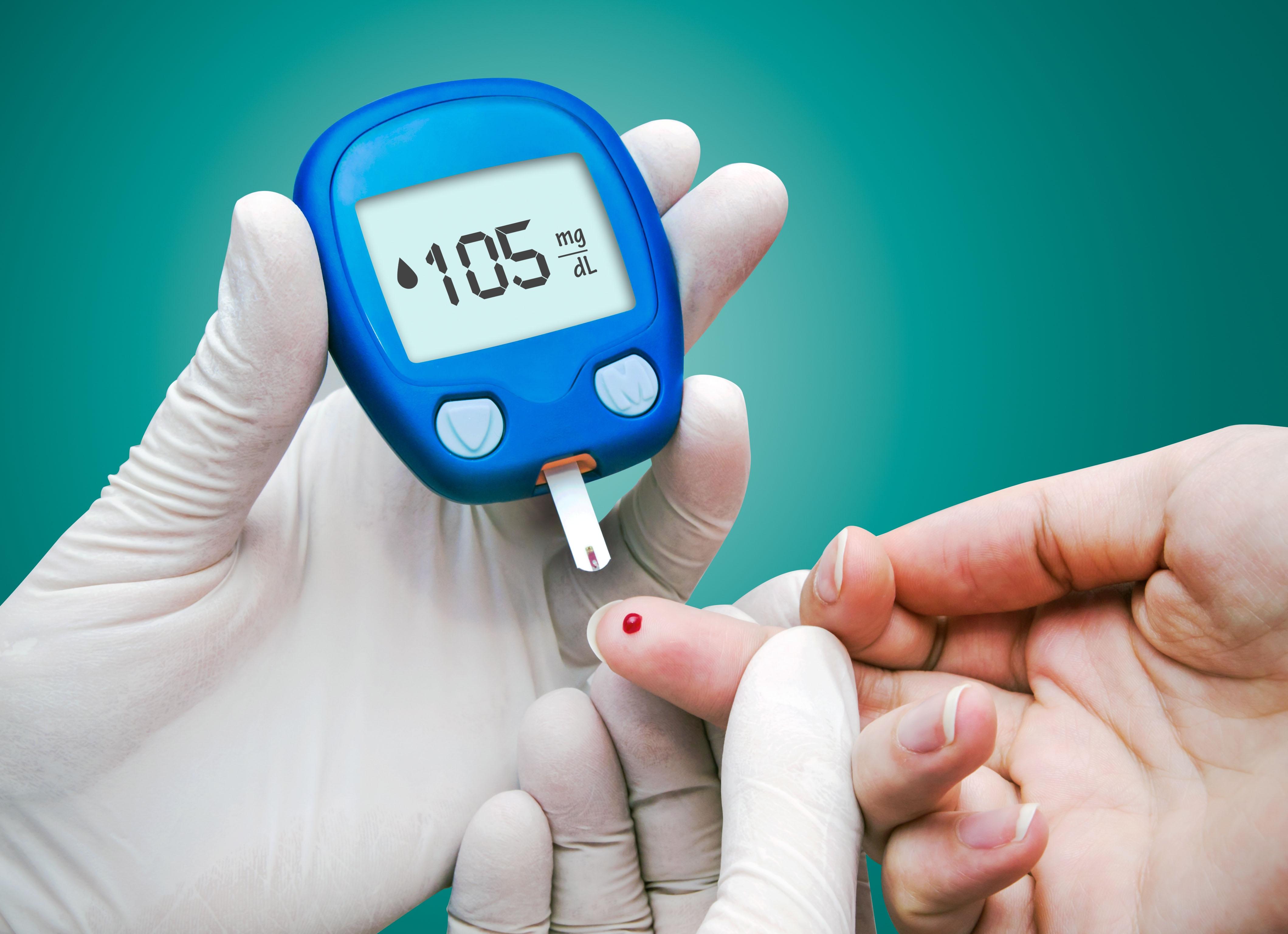
If your doctor has recommended a blood sugar test, it's natural to have questions—especially if it's your first time. You may be wondering why the test is needed, whether you need to fast, how the procedure works, or what the results actually mean. Fortunately, a blood sugar test is one of the simplest and most informative medical tests available, providing valuable insights into your body's ability to regulate glucose.
A Blood Sugar Test in Dubai is not only used to diagnose diabetes. It also helps detect prediabetes, investigate symptoms such as fatigue or excessive thirst, monitor ongoing treatment, and evaluate your overall metabolic health. Understanding the purpose of the test before your appointment can reduce anxiety and help you prepare properly.
This beginner-friendly guide explains everything first-time patients should know, from why the test is performed to what happens afterward and how your results may influence your future healthcare.
Why Your Doctor Has Recommended a Blood Sugar Test?
A blood sugar test measures the amount of glucose in your bloodstream. Glucose is the body's primary source of energy and comes from the carbohydrates you eat. Insulin, a hormone produced by the pancreas, helps move glucose into your cells where it is used for energy.
When insulin does not work effectively or the pancreas produces too little of it, glucose remains in the bloodstream. Over time, this can lead to prediabetes, diabetes, or other metabolic disorders.
Your doctor may recommend blood glucose testing to:
- Investigate unusual symptoms
- Screen for diabetes or prediabetes
- Monitor an existing medical condition
- Assess your metabolic health
- Evaluate treatment effectiveness
- Perform routine preventive screening
Even if you feel healthy, early testing can identify changes before symptoms appear.
Signs That May Lead to Blood Sugar Testing:
Many people undergo their first blood sugar test after experiencing symptoms that suggest abnormal glucose levels.
Some of the most common signs include:
- Frequent thirst
- Frequent urination
- Persistent fatigue
- Blurred vision
- Increased hunger
- Slow-healing cuts
- Recurrent infections
- Unexpected weight loss
- Tingling in the hands or feet
- Dry mouth
These symptoms do not automatically indicate diabetes, but they often prompt further evaluation through blood glucose testing.
Who Should Consider Routine Blood Sugar Screening?
Not everyone receives a blood sugar test because of symptoms. Doctors also recommend routine screening for individuals with certain risk factors.
You may benefit from regular testing if you:
- Have a family history of diabetes
- Are overweight or obese
- Have high blood pressure
- Have high cholesterol
- Live a physically inactive lifestyle
- Have experienced gestational diabetes
- Have polycystic ovary syndrome
- Have cardiovascular disease
- Have previously been diagnosed with prediabetes
Routine screening allows early intervention before complications develop.
Understanding the Different Types of Blood Sugar Tests:
Your healthcare provider selects the most appropriate test based on your symptoms, medical history, and reason for testing.
Fasting Blood Sugar Test:
The fasting blood sugar test measures your blood glucose after fasting for several hours.
Because food does not influence the results, this test provides a reliable baseline measurement and is commonly used for diabetes screening.
Random Blood Sugar Test:
A random blood sugar test measures glucose regardless of when you last ate.
It is often recommended when symptoms require immediate investigation.
Oral Glucose Tolerance Test:
This test measures how efficiently your body processes glucose after drinking a specially prepared glucose solution.
Multiple blood samples are collected over a period of time to observe how blood glucose changes.
This test is commonly performed during pregnancy and in situations where additional evaluation is necessary.
Hemoglobin A1C Test:
The Hemoglobin A1C test measures your average blood glucose over approximately the previous two to three months.
Rather than reflecting a single point in time, it provides a broader picture of long-term blood sugar control.
Preparing for Your First Blood Sugar Test:
Preparation depends on the specific test your doctor orders.
Follow Fasting Instructions:
If you're scheduled for a fasting blood sugar test, avoid eating or drinking anything except water during the fasting period recommended by your healthcare provider.
Following these instructions helps ensure accurate laboratory results.
Stay Well Hydrated:
Drinking water before your appointment helps maintain hydration and can make blood collection easier.
Inform Your Healthcare Provider About Medications:
Some medications may temporarily influence blood glucose levels.
Tell your healthcare provider about:
- Prescription medications
- Over-the-counter medicines
- Herbal supplements
- Vitamins
Never stop taking medications unless specifically instructed.
Avoid Strenuous Exercise Before Testing:
Intense physical activity immediately before the test may temporarily alter blood glucose readings.
Maintaining your normal daily routine generally provides the most reliable results.
Get a Good Night's Sleep:
Adequate sleep supports normal hormone regulation and contributes to more accurate blood sugar measurements.
What Happens During the Test?
Many first-time patients are pleasantly surprised by how simple the procedure is.
The testing process usually includes several straightforward steps.
Registration:
Healthcare staff confirm your medical history and explain the procedure.
Blood Sample Collection:
A healthcare professional cleans the area before collecting a small blood sample from a vein or fingertip.
Most people experience only brief, mild discomfort.
Laboratory Analysis:
The blood sample is analyzed using specialized laboratory equipment to measure glucose concentration.
Depending on the type of test, results may be available the same day or shortly afterward.
Review of Results:
Your healthcare provider interprets the findings and discusses whether any additional testing or treatment is necessary.
Understanding Your Blood Sugar Results:
Receiving your results is often the part that causes the most uncertainty.
Rather than focusing only on numbers, doctors evaluate the complete clinical picture, including your symptoms, medical history, medications, and risk factors.
Generally, results fall into one of three categories.
Normal Blood Sugar:
A normal result suggests your body is effectively regulating glucose through healthy insulin function.
Maintaining healthy habits remains important to preserve long-term metabolic health.
Prediabetes:
Prediabetes means blood glucose is higher than expected but has not reached diabetic levels.
At this stage, healthy lifestyle changes often improve glucose regulation and reduce the risk of developing type 2 diabetes.
Diabetes:
Persistently elevated blood glucose may indicate diabetes.
Doctors frequently confirm the diagnosis using repeat testing or additional laboratory investigations before developing a personalized treatment plan.
Questions First-Time Patients Commonly Ask:
Is the Test Painful?
Most people experience only minor discomfort from the needle or finger prick.
The procedure is quick and usually lasts only a few minutes.
Will I Receive Results Immediately?
Some tests provide rapid results, while others require laboratory analysis.
Your healthcare provider will explain when your results will be available.
Can I Drink Water Before Testing?
Water is generally encouraged, especially before fasting blood sugar tests.
However, avoid beverages containing sugar or calories unless instructed otherwise.
Can Stress Affect Blood Sugar?
Yes. Emotional stress may temporarily increase blood glucose levels because stress hormones influence glucose production.
Do I Need More Than One Test?
In some situations, doctors recommend repeat blood sugar testing or additional laboratory evaluations to confirm abnormal findings.
Lifestyle Habits That Help Maintain Healthy Blood Sugar:
Whether your results are normal or indicate elevated blood glucose, healthy daily habits contribute to better metabolic health.
Build Balanced Meals:
Choose foods rich in:
- Whole grains
- Fresh vegetables
- Fruits
- Lean protein
- Healthy fats
- High-fiber foods
Balanced meals support steady blood glucose throughout the day.
Stay Physically Active:
Regular exercise improves insulin sensitivity and helps your muscles use glucose efficiently.
Walking, cycling, swimming, and resistance training all support healthy blood sugar management.
Maintain a Healthy Weight:
Healthy weight management reduces insulin resistance and lowers the risk of developing type 2 diabetes.
Prioritize Sleep:
Consistent, high-quality sleep helps regulate hormones involved in glucose metabolism.
Manage Stress Effectively:
Chronic stress may increase blood sugar through hormonal changes.
Mindfulness, deep breathing exercises, yoga, and regular physical activity are helpful stress-management strategies.
Common Mistakes First-Time Patients Should Avoid:
Being prepared can improve the accuracy of your test.
Avoid these common mistakes:
Ignoring Fasting Instructions:
Eating before a fasting blood sugar test may affect the results.
Forgetting to Mention Medications:
Certain medications influence blood glucose and should always be discussed with your healthcare provider.
Assuming One Test Gives Every Answer:
Blood sugar naturally changes throughout the day.
Sometimes additional testing is needed to obtain a complete picture.
Delaying Follow-Up Care:
If your results are abnormal, timely follow-up helps prevent complications and supports effective treatment.
Frequently Asked Questions:
How often should I have a blood sugar test?
The frequency depends on your age, personal risk factors, medical history, and your healthcare provider's recommendations.
Can healthy individuals need blood sugar testing?
Yes. Preventive screening often identifies prediabetes or early diabetes before symptoms become noticeable.
Are home glucose monitors enough?
Home glucose monitoring devices are valuable for ongoing diabetes management, but laboratory blood sugar tests remain the standard for diagnosis and comprehensive evaluation.
Can healthy habits improve future blood sugar results?
Absolutely. Balanced nutrition, regular physical activity, healthy weight management, quality sleep, and stress reduction all contribute to healthier blood glucose levels.
Conclusion:
For first-time patients, a blood sugar Lab tests is a simple yet powerful step toward understanding overall health. It provides valuable information about how your body processes glucose, helps detect prediabetes and diabetes at an early stage, and allows healthcare providers to identify potential metabolic concerns before serious complications develop. Knowing what to expect before, during, and after the test can make the experience more comfortable and help you feel confident about the process.
Whether your blood sugar test is part of a routine health checkup or recommended because of specific symptoms, following your healthcare provider's instructions and maintaining healthy lifestyle habits can make a significant difference. Early detection, regular monitoring, and informed choices remain the foundation of protecting your heart, kidneys, eyes, nerves, and long-term well-being.

 English
 Arabic
 French
 Spanish
 Portuguese
 Deutsch
 Turkish
 Dutch
Dutch
 Italiano
 Russian
 Romaian
 Greek
Greek