


OEM Clothing Manufacturer: What You Actually Need to Know Before You Sign a Contract
Choosing the wrong factory can quietly wreck a clothing brand. Choosing the right OEM clothing manufacturer, on the other hand, is the kind of decision you barely think about again, because it just works.
An OEM clothing manufacturer takes your design, your fabric, your trims, and your branding, and turns them into finished garments. You own the idea. They own the production floor. We've sourced and stress-tested this process for years, and we make custom clothing ourselves, so this comes from doing it, not reading about it.
OEM, ODM, and Private Label Aren't the Same Thing
OEM means the factory builds exactly what you designed. Your pattern, your IP, your call.
ODM flips that, their designers create the product, and you choose from what they offer.
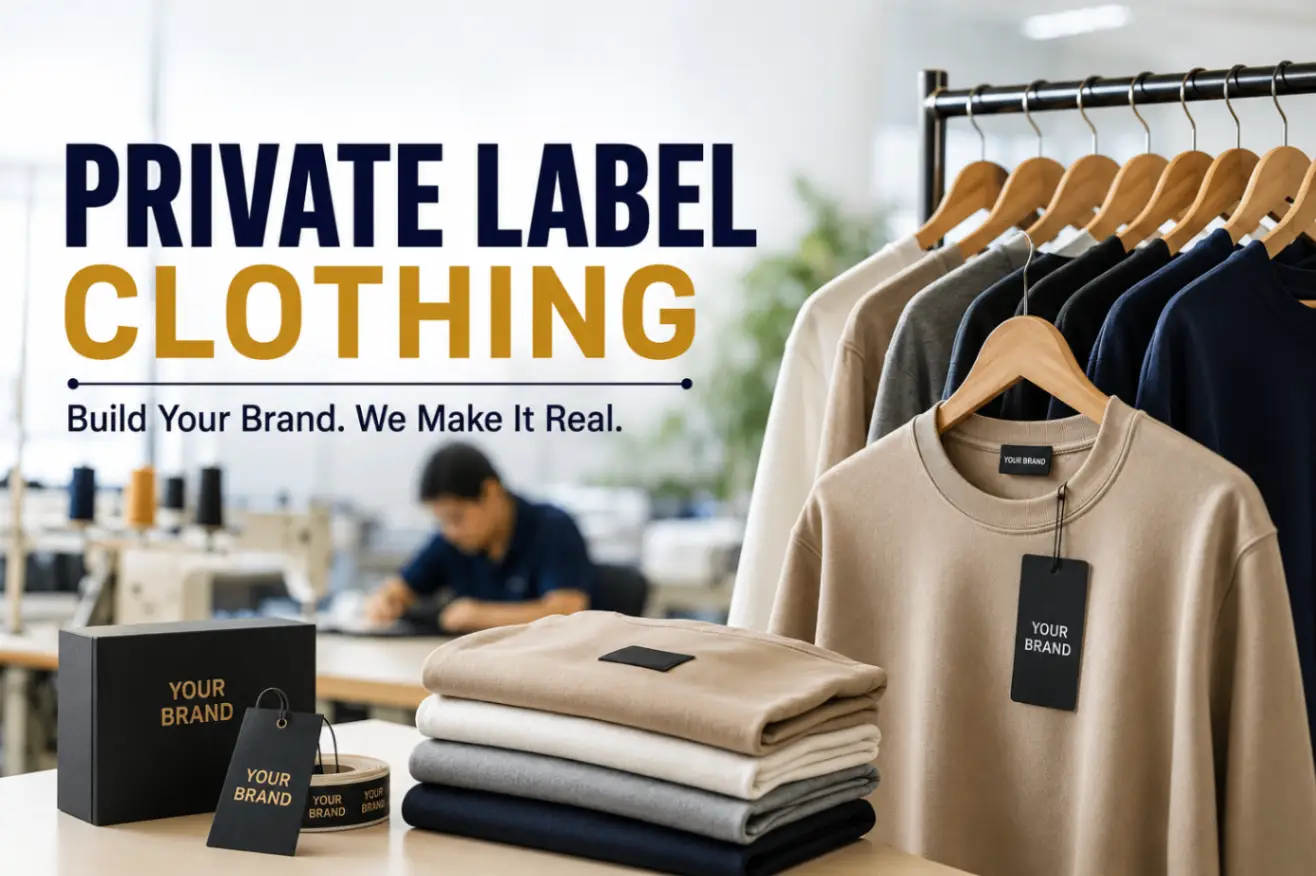
Private label is even simpler: an existing product, your logo slapped on top.
If your design is genuinely yours, OEM is the only real option.
Why Skip Owning a Factory Altogether?
Machinery, real estate, payroll, that's a different business entirely. Most brands would rather rent that capability than build it. Even Nike and Zara outsource nearly everything. Works for them, works for a 300-unit startup too.
Vetting a Manufacturer Without Getting Burned
Price alone is a trap. Cheap quotes often turn into expensive rework.
Check their actual work. Ask for samples close to what you're making, not a generic catalog. A tee specialist may struggle with structured jackets.
Get on video. A factory that won't show you the floor is telling you something. Ask for licenses, export certs, and consider a third-party audit, a few hundred dollars well spent.
Watch for red flags: vague MOQs, no NDA, prices way below everyone else, no real factory address.
Know your MOQ range. Most factories want 300–1,000 units per style. Smaller, flexible ones go lower, for a price. Negotiate a trial order first.
How Production Actually Flows
- Tech pack and sampling: your specs become a proto sample. Expect two or three revision rounds. Rushing this step causes most defects later.
- Fabric and bulk cutting: production fabric can feel slightly different than your swatch. Worth a quick check before cutting.
- Production and QC: good factories inspect at every stage, not just the end. Pre-shipment inspection (AQL 2.5 is standard) catches most problems before they reach you.
- Packaging and shipping: tags, labels, cartons, then sea or air freight based on your timeline.
Mistakes That Cost Brands Real Money
Skipping sample review to save time. Picking the cheapest bid without checking fit for your product. Leaving terms unwritten. Ignoring slow, vague communication before you've even placed an order, it won't improve later.
Budget 30–60 days production time, plus 2–6 weeks shipping. Add buffer around Lunar New Year if sourcing from China or Vietnam.
When Custom-Made Beats Bulk OEM
Not every brand needs a 500-unit minimum on day one. If you're testing a design or need precision work, technical fits, small drops, unusual fabric, custom-made clothing is the better fit. It's what we build, and it's a far more hands-on partnership than a distant factory relationship.
The Bottom Line
Start small. Verify everything. Put it in writing. Treat your manufacturer like a partner, not a line item you'll swap for a cheaper quote next quarter. Get that right, and manufacturing turns from your biggest risk into your quiet advantage.
FAQ
What does OEM mean in clothing? The factory builds your exact design, not a generic product with your logo added.
How much does OEM production cost? Roughly 20–40% less than domestic manufacturing at comparable quality, depending on volume.
Can I order small batches? Traditional OEM wants 300+ units. Custom-made clothing services go much lower.
OEM vs. ODM? OEM builds your design. ODM designs it for you.
How do I verify a factory? Licenses, a video walkthrough, references, and a third-party inspection before big orders.
How long until I get a sample? Usually 1–3 weeks, plus revision rounds.

 Arabic
 French
 Spanish
 Portuguese
 Deutsch
 Turkish
 Dutch
Dutch
 Italiano
 Russian
 Romaian
 Portuguese (Brazil)
 Greek
Greek