


What Should You Eat After a Chemical Peel?
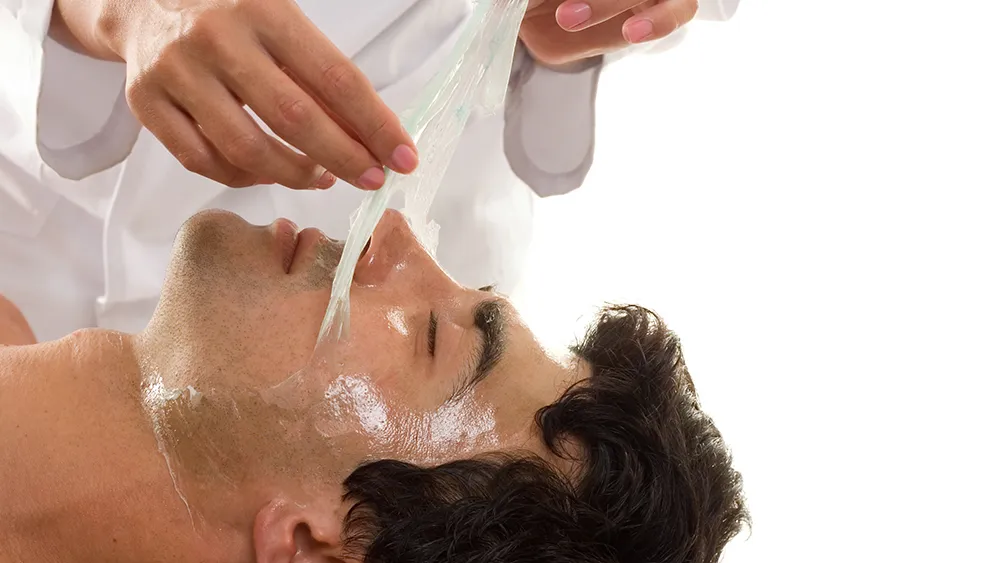
Your skin goes through a natural healing and renewal process after a chemical peel, making proper aftercare essential for achieving the best results. While skincare products and sun protection play a significant role, your diet can also support your skin's recovery from within. Eating nutrient-rich foods helps reduce inflammation, promote collagen production, and keep your skin hydrated during the healing phase. If you are planning to undergo Chemical Peels in Islamabad, understanding which foods support recovery can help you enjoy smoother, healthier, and more radiant skin.
Why Does Nutrition Matter After a Chemical Peel?
A chemical peel removes damaged outer layers of skin to reveal fresher, healthier skin underneath. During recovery, your body needs vitamins, minerals, healthy fats, and protein to repair skin cells efficiently.
A balanced diet after treatment can help:
- Speed up skin healing
- Reduce redness and inflammation
- Support collagen production
- Improve skin hydration
- Strengthen the skin barrier
- Promote healthier, longer-lasting results
Although food alone cannot replace proper skincare, it complements your post-treatment routine.
Stay Hydrated Throughout Recovery
Hydration is one of the most important aspects of recovery after a chemical peel. Water helps transport nutrients to healing skin cells while maintaining skin elasticity and moisture.
Aim to drink enough water throughout the day to keep your body well hydrated. You can also include naturally hydrating foods such as:
- Cucumbers
- Watermelon
- Oranges
- Strawberries
- Lettuce
- Coconut water (without added sugar)
Proper hydration may also reduce feelings of tightness that commonly occur after treatment.
Eat Foods Rich in Vitamin C
Vitamin C is essential for collagen production and tissue repair. It also acts as a powerful antioxidant that protects healing skin from environmental damage.
Excellent sources include:
- Oranges
- Lemons
- Grapefruit
- Kiwi
- Strawberries
- Bell peppers
- Broccoli
Including vitamin C-rich foods daily can support smoother skin recovery.
Choose Protein for Skin Repair
Protein provides the building blocks your body needs to repair damaged tissues. Since your skin is healing after a chemical peel, adequate protein intake is especially important.
Healthy protein sources include:
- Chicken
- Turkey
- Fish
- Eggs
- Greek yogurt
- Lentils
- Beans
- Chickpeas
- Tofu
Protein also supports collagen formation, which contributes to healthier-looking skin.
Include Healthy Fats
Healthy fats help maintain your skin's natural barrier while reducing inflammation.
Good options include:
- Salmon
- Sardines
- Avocados
- Walnuts
- Almonds
- Chia seeds
- Flaxseeds
- Olive oil
Omega-3 fatty acids are particularly beneficial because they support skin healing and hydration.
Eat Foods Rich in Vitamin A
Vitamin A supports skin cell turnover and helps maintain healthy skin.
Natural sources include:
- Sweet potatoes
- Carrots
- Spinach
- Kale
- Pumpkin
- Mangoes
These foods contribute to healthy skin regeneration without relying solely on supplements.
Zinc Supports Faster Healing
Zinc plays an important role in wound healing and immune function.
Foods high in zinc include:
- Pumpkin seeds
- Beef
- Chickpeas
- Cashews
- Yogurt
- Oats
Adequate zinc intake supports your body's natural repair process after cosmetic treatments.
Choose Antioxidant-Rich Foods
Antioxidants help reduce oxidative stress and inflammation while protecting newly exposed skin.
Excellent antioxidant-rich foods include:
- Blueberries
- Blackberries
- Raspberries
- Spinach
- Tomatoes
- Green tea
- Pomegranates
Eating a colorful variety of fruits and vegetables ensures you receive multiple protective nutrients.
Include Collagen-Supporting Nutrients
While collagen supplements are popular, your body naturally produces collagen when supplied with the right nutrients.
Support collagen production with foods containing:
- Vitamin C
- Protein
- Zinc
- Copper
- Amino acids
Bone broth, fish, lean meats, beans, eggs, and leafy greens all contribute to collagen formation.
Eat Soft Foods If Your Skin Feels Sensitive
Some patients experience mild facial tightness after medium or deeper chemical peels. Eating softer foods can make meals more comfortable.
Examples include:
- Oatmeal
- Smoothies
- Yogurt
- Scrambled eggs
- Soups
- Mashed sweet potatoes
- Cottage cheese
These foods are easy to eat while still providing valuable nutrients.
Foods You Should Limit After a Chemical Peel
Certain foods may contribute to inflammation or dehydration during recovery.
Try to reduce:
Highly Processed Foods
Foods high in preservatives and unhealthy fats may not provide the nutrients your skin needs.
Excess Sugar
Large amounts of sugar may increase inflammation and affect collagen production.
Excessively Salty Foods
High sodium intake may contribute to dehydration, making your skin feel drier.
Alcohol
Alcohol can dehydrate your body and may slow your recovery process.
Spicy Foods (If Sensitive)
Very spicy meals may temporarily increase facial flushing in some individuals during early recovery.
Don't Forget Your Daily Fruits and Vegetables
Aim to fill your plate with colorful produce each day. Different colors provide different vitamins and antioxidants that work together to support healing.
Include combinations like:
- Leafy greens
- Orange vegetables
- Red berries
- Purple grapes
- Yellow peppers
Variety is one of the simplest ways to nourish your skin.
Pair Good Nutrition with Proper Aftercare
Healthy eating works best alongside professional aftercare instructions.
Remember to:
- Wear sunscreen daily.
- Avoid direct sun exposure.
- Keep your skin moisturized.
- Avoid picking peeling skin.
- Follow your skincare provider's recommendations.
- Use gentle skincare products until healing is complete.
These habits help maximize the benefits of your chemical peel.
When Can You Return to Your Normal Diet?
Most people can continue eating their regular meals immediately after treatment. However, choosing nutrient-rich foods during the first week gives your skin the best environment for recovery.
There are usually no strict dietary restrictions after a superficial chemical peel, but maintaining a healthy diet supports overall skin health well beyond the recovery period.
Frequently Asked Questions
Can certain foods speed up chemical peel recovery?
Foods rich in vitamin C, protein, healthy fats, antioxidants, and zinc can support your body's natural healing process.
Is coffee allowed after a chemical peel?
Moderate coffee consumption is generally acceptable. However, balance it with plenty of water to stay hydrated.
Should I take collagen supplements after a chemical peel?
Some people choose collagen supplements, but a balanced diet rich in protein and vitamin C can also support natural collagen production. Consult your healthcare provider before starting any supplement.
Can I eat spicy food after my treatment?
If your skin feels sensitive or flushed, it may be helpful to avoid very spicy foods for a few days until your skin calms down.
How much water should I drink after a chemical peel?
Your hydration needs vary based on your body size, activity level, and climate. Drinking water consistently throughout the day and including hydrating foods can help support skin recovery.
Final Thoughts
Recovering from a chemical peel involves more than following a skincare routine. A balanced diet rich in vitamins, antioxidants, healthy fats, protein, and adequate hydration provides your skin with the nutrients it needs to heal efficiently and maintain long-lasting results. Whether you are addressing pigmentation, acne scars, or signs of aging, combining healthy nutrition with expert post-treatment care can enhance your overall outcome.

 English
 Arabic
 French
 Spanish
 Portuguese
 Deutsch
 Turkish
 Dutch
Dutch
 Italiano
 Russian
 Romaian
 Greek
Greek