


Ancestry DNA Test FAQs Answered for First-Time Users
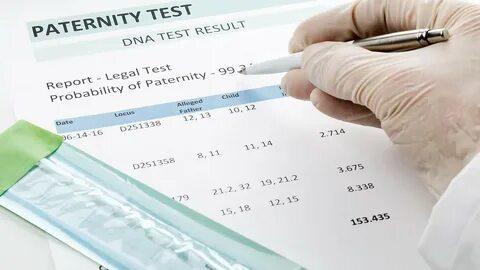
Taking your first ancestry DNA test can raise plenty of questions. You may wonder how the test works, what your results will include, how accurate the information is, or whether it can truly help uncover your family history. These are common concerns, especially for people who are new to genetic testing and genealogy research.
An Ancestry DNA Test in UAE has become one of the most popular ways to explore ancestral origins, discover biological relatives, and build a stronger family tree. However, understanding what the test can and cannot do is essential before you begin. While the science behind DNA analysis is highly advanced, the results are best interpreted alongside traditional genealogy and historical records.
This guide answers the most frequently asked questions from first-time users, helping you approach your ancestry journey with realistic expectations and greater confidence.
What Is an Ancestry DNA Test?
An ancestry DNA test is a type of genetic testing that examines specific genetic markers within your DNA to provide information about your family heritage.
Instead of diagnosing medical conditions, the test focuses on inherited DNA that has been passed down through generations. Scientists compare your genetic information with reference populations from different parts of the world to estimate your ancestral origins and identify people who share portions of your DNA.
The results can help you understand your ethnicity estimate, locate DNA matches, and expand your genealogy research.
How Is the DNA Sample Collected?
One of the easiest parts of the process is collecting your DNA sample.
Most ancestry DNA tests require either a saliva sample or a cheek swab. Both methods collect cells containing your inherited genetic information.
Following the instructions carefully is important because the quality of the sample affects laboratory analysis. Once collected, the sample is processed using advanced laboratory technology that analyzes hundreds of thousands of genetic markers across your genome.
The collection process is simple, painless, and usually takes only a few minutes.
What Happens After the Sample Is Submitted?
After your DNA sample reaches the laboratory, scientists begin extracting and analyzing your genetic material.
Specialized equipment examines numerous Single Nucleotide Polymorphisms (SNPs), which are tiny genetic variations found throughout your DNA.
These genetic markers are then compared with extensive reference databases and with other DNA profiles to identify shared ancestry and possible biological relatives.
Quality control procedures ensure the accuracy of every stage before your ancestry report is generated.
What Information Will My Results Include?
Although reports may vary, most ancestry DNA results include several important sections.
You can generally expect information about:
-
Ethnicity estimates
-
Ancestral regions
-
DNA matches
-
Family connections
-
Migration patterns
-
Genetic communities
-
Family tree suggestions based on DNA relationships
Each section contributes a different piece of your family history, helping you understand both your recent ancestry and deeper genetic heritage.
How Accurate Are Ethnicity Estimates?
Ethnicity estimates are among the most popular features of an ancestry DNA test, but they are often misunderstood.
These percentages represent scientific estimates rather than exact measurements. Researchers compare your inherited genetic markers with DNA from reference populations and calculate the probability that portions of your ancestry originated from specific regions.
As research continues and reference databases expand, ethnicity estimates may become more detailed.
For this reason, small changes in your report over time are completely normal and reflect scientific progress rather than errors.
Can an Ancestry DNA Test Find Relatives?
Yes, identifying biological relatives is one of the most valuable features of an ancestry DNA test.
Your DNA is compared with millions of other genetic profiles to locate people who share inherited DNA segments with you.
These DNA matches may include:
-
Parents
-
Children
-
Siblings
-
Cousins
-
Extended relatives
-
Previously unknown family members
The amount of shared DNA helps estimate how closely related two individuals may be.
Historical records are often used alongside DNA evidence to confirm the exact relationship.
Why Do Family Members Receive Different Results?
Many first-time users are surprised when siblings receive different ancestry reports.
This happens because each child inherits a unique combination of DNA from both parents.
Although brothers and sisters share approximately half of their inherited DNA, they do not inherit the same genetic segments.
As a result, ethnicity estimates, DNA matches, and ancestral region percentages may differ slightly between siblings.
This variation is a normal part of human genetics.
Can DNA Replace Traditional Genealogy?
No.
An ancestry DNA test is an excellent research tool, but it cannot replace traditional genealogy.
Historical documents remain essential for identifying individual ancestors and confirming family relationships.
Birth certificates, marriage records, census documents, immigration records, military archives, and family photographs all provide historical evidence that DNA alone cannot supply.
The strongest family history research combines genetic evidence with documentary research.
What If My Results Are Unexpected?
Unexpected ancestry results are more common than many people realize.
Sometimes DNA confirms long-standing family traditions.
Other times it reveals ancestral origins or biological relationships that were previously unknown.
Rather than assuming unexpected results are incorrect, take time to investigate them carefully.
Compare your DNA findings with historical records, family stories, and genealogy research before reaching conclusions.
Unexpected discoveries often lead to valuable historical insights.
Why Can My Results Change Over Time?
Your DNA never changes, but scientific interpretation does.
Researchers continually improve ancestry analysis by expanding reference populations and refining statistical models.
As these improvements occur, your ethnicity estimate may become more accurate or more detailed.
You may also receive additional DNA matches as more individuals participate in ancestry DNA testing.
These updates are one of the strengths of modern population genetics.
What Are DNA Matches?
DNA matches are individuals who share inherited genetic segments with you.
These shared segments indicate that you have at least one common ancestor somewhere in your family history.
The closer the relationship, the more DNA you usually share.
Close relatives inherit larger DNA segments, while distant cousins share much smaller portions.
DNA matching helps researchers build family trees and identify connections that historical records alone may not reveal.
What Is Autosomal DNA?
Autosomal DNA is the type of DNA most commonly analyzed in ancestry DNA testing.
It is inherited from both biological parents and contains genetic information from many different ancestral lines.
Because autosomal DNA reflects contributions from numerous ancestors, it is highly effective for:
-
Estimating ethnicity
-
Identifying biological relatives
-
Supporting genealogy research
-
Exploring ancestral origins
This broad genetic coverage makes autosomal DNA the foundation of most ancestry reports.
How Long Does Genealogy Research Take?
There is no fixed timeline.
Some people confirm family stories immediately after receiving their ancestry report.
Others spend months or years expanding their family tree through historical records and DNA matches.
Genealogy is an ongoing process rather than a single event.
Every newly discovered relative, historical document, or updated DNA match has the potential to reveal another chapter of your family's history.
Patience often produces the most rewarding discoveries.
What Should I Do After Receiving My Results?
Your ancestry report is only the beginning of your journey.
To make the most of your results:
-
Review every section of the report carefully.
-
Compare your findings with existing family records.
-
Build or expand your family tree.
-
Explore historical documents that support your DNA results.
-
Record family stories from older relatives.
-
Revisit your report periodically as scientific databases continue growing.
This combination of genetics and genealogy provides the richest understanding of your heritage.
Final Thoughts:
An ancestry DNA Lab tests offers first-time users an exciting opportunity to explore their family history through the science of genetics. From understanding ethnicity estimates and identifying DNA matches to discovering biological relatives and strengthening a family tree, the test provides valuable insights into ancestral origins that traditional records alone may not reveal.
While DNA testing is a powerful tool, it works best when combined with genealogy research, historical documents, and family stories. By understanding how the testing process works and knowing what to expect from your results, you can approach your ancestry journey with confidence and curiosity. Every answer uncovered through genetic testing has the potential to deepen your appreciation of the generations, cultures, and family connections that shaped your unique heritage.

 Arabic
 French
 Spanish
 Portuguese
 Deutsch
 Turkish
 Dutch
Dutch
 Italiano
 Russian
 Romaian
 Portuguese (Brazil)
 Greek
Greek