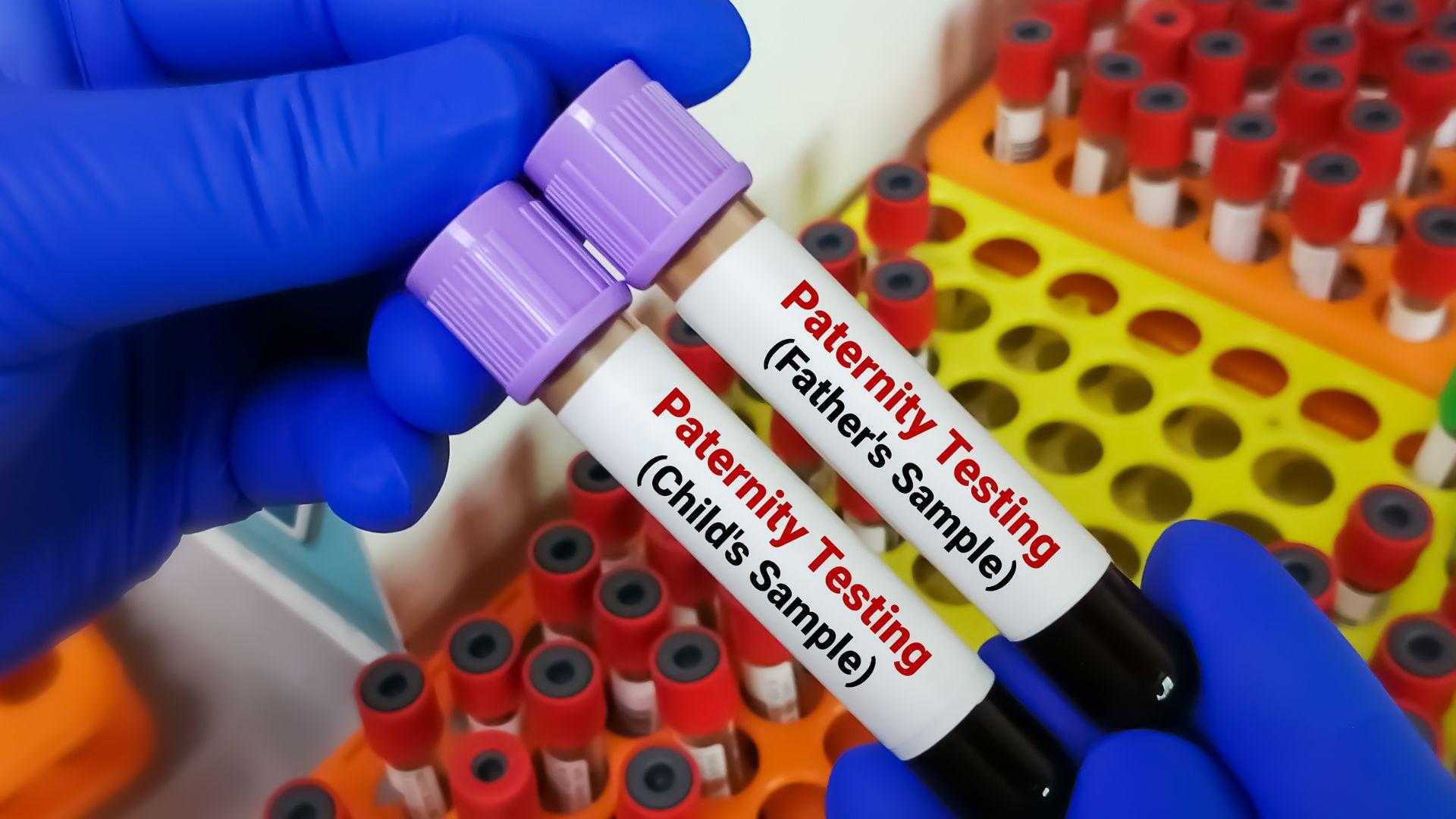
Preparing for a paternity test can help ensure that the process is smooth, accurate, and less stressful for everyone involved. Whether the test is being performed for personal knowledge, legal purposes, child support, custody, inheritance, or immigration, proper preparation is essential for obtaining reliable results.
Modern DNA Paternity Test in Dubai is highly accurate and usually involves a simple cheek swab sample. However, there are several important steps to take before testing, including choosing the right type of test, understanding consent requirements, preparing for sample collection, and selecting a reputable laboratory.
This guide explains how to prepare for a paternity test and what you can do before testing to help ensure accurate and meaningful results.
Understand the Purpose of the Paternity Test:
Before arranging a paternity test, it is important to clearly identify why the test is being performed. The purpose of the test will determine the type of testing procedure required.
Common reasons for paternity testing include:
-
Confirming biological parentage for personal peace of mind
-
Establishing legal paternity for child support or custody cases
-
Supporting inheritance or estate claims
-
Providing evidence for immigration or visa applications
-
Obtaining family medical history information
If the results are intended for personal knowledge only, an at-home DNA paternity test may be sufficient. If the results are needed for legal or official purposes, a legal paternity test with chain-of-custody procedures is usually required.
Choose the Appropriate Type of Paternity Test:
Selecting the correct type of paternity test is one of the most important preparation steps.
At-Home DNA Paternity Test:
-
Suitable for personal knowledge and reassurance.
-
Samples are collected by the participants themselves.
-
Results are generally not admissible in court because the sample collection is not supervised.
Legal Paternity Test:
-
Required for court-related matters such as child support, custody, inheritance, and immigration.
-
Samples are collected by an authorized professional.
-
Participant identities are verified, and the chain of custody is documented.
-
Results are generally admissible in legal proceedings.
Prenatal Paternity Test:
-
Used during pregnancy to determine biological paternity before birth.
-
Typically involves a blood sample from the mother and a DNA sample from the alleged father.
-
Should be performed through an accredited laboratory.
Select an Accredited Laboratory:
The reliability of a paternity test depends heavily on the quality standards of the laboratory performing the analysis. Before testing, research the laboratory and confirm that it is accredited by recognized organizations.
When evaluating a laboratory, consider the following:
-
Accreditation: Look for accreditation from recognized organizations such as AABB or ISO/IEC 17025.
-
Experience: Choose a laboratory with a strong track record in DNA relationship testing.
-
Testing methods: Ensure the laboratory uses validated STR analysis and analyzes an adequate number of genetic markers.
-
Privacy policies: Review how the laboratory handles genetic information and protects confidentiality.
-
Turnaround time: Confirm how long it will take to receive results.
Verify Consent Requirements:
Consent is an important legal and ethical consideration in paternity testing. Before testing, make sure that all required consent has been obtained.
Common consent considerations include:
-
Testing a child: A parent or legal guardian usually must provide consent for a minor to be tested.
-
Legal testing: Participants may need to sign consent forms and provide identification.
-
Local laws: Consent requirements vary by jurisdiction, so it is important to understand the laws in your area.
If you are unsure about the consent requirements, consult the testing laboratory or a legal professional before proceeding.
Prepare for Sample Collection:
Most paternity tests use buccal swabs, also known as cheek swabs, to collect DNA samples. Proper preparation for sample collection can help ensure that the samples contain sufficient DNA and are free from contamination.
Follow Pre-Test Instructions:
The laboratory or testing kit may provide specific instructions to follow before collecting samples. These instructions may include:
-
Avoid eating, drinking, smoking, or chewing gum for a certain period before sample collection.
-
Wash hands before handling the collection kit.
-
Use only the sterile swabs provided in the kit.
-
Avoid touching the cotton tip of the swab.
Ensure Proper Sample Collection
To collect a high-quality DNA sample:
-
Rub the swab firmly against the inside of the cheek for the recommended amount of time.
-
Use separate swabs for each participant.
-
Allow the swabs to dry if instructed by the laboratory.
-
Place each swab in the correct labeled container.
Careful sample collection helps reduce the risk of insufficient DNA or contamination, which could delay the testing process.
Gather Necessary Documentation:
For legal paternity tests, participants may need to provide documentation before or during the sample collection appointment.
Commonly required documents include:
-
Government-issued photo identification, such as a passport, driver’s license, or national ID card.
-
Birth certificate or other documentation related to the child, if required.
-
Court orders or legal documents, if the test is being conducted as part of a legal proceeding.
-
Consent forms provided by the testing laboratory.
Having the necessary documents ready before the appointment can help prevent delays and ensure that the chain-of-custody process is completed correctly.
Understand the Chain-of-Custody Process:
If the paternity test is being performed for legal purposes, it is important to understand the chain-of-custody process. Chain of custody refers to the documented handling of DNA samples from collection through laboratory analysis and result reporting.
A proper chain-of-custody procedure includes:
-
Verification of participant identities.
-
Supervised sample collection by an authorized professional.
-
Secure labeling and packaging of samples.
-
Documentation of sample transfer and handling.
-
Secure storage and processing in the laboratory.
This process helps ensure that the samples are authentic and that the results can be used in court or other official proceedings.
Prepare Emotionally for the Results:
Paternity test results can have significant emotional implications for all parties involved. Before testing, it may be helpful to consider how the results could affect family relationships, legal responsibilities, and personal understanding of biological connections.
Some ways to prepare emotionally include:
-
Discussing expectations with the other parties involved, when appropriate.
-
Considering how different possible outcomes may be handled.
-
Seeking support from trusted family members, counselors, or legal professionals if needed.
-
Remembering that the test provides scientific information about biological parentage.
Being emotionally prepared can help individuals approach the results with greater clarity and support.
Plan for the Testing Appointment:
If you are attending a legal paternity test appointment, planning ahead can make the process more efficient.
Before the Appointment:
-
Confirm the appointment date, time, and location.
-
Bring all required identification and documentation.
-
Follow any pre-test instructions provided by the laboratory.
-
Ensure that all participants who need to be tested are available.
During the Appointment:
-
-
Present identification and complete any required paperwork.
-
Follow the instructions of the authorized collection professional.
-
Ask questions if any part of the process is unclear.
Review Privacy and Confidentiality Policies:
Before submitting DNA samples, review the laboratory’s privacy and confidentiality policies. Genetic information is sensitive personal data, so it is important to understand how the laboratory will handle and protect it.
Questions to consider include:
-
Who will have access to the test results?
-
How will the DNA samples be stored?
-
Will the samples be destroyed after testing?
-
How will the laboratory protect confidential information?
Choosing a laboratory with clear and transparent privacy policies can provide additional peace of mind.
Final Thoughts:
Proper preparation before a paternity Lab tests can help ensure that the process is accurate, efficient, and less stressful. By understanding the purpose of the test, selecting the appropriate testing option, choosing an accredited laboratory, following sample collection instructions, and preparing emotionally for the results, individuals can approach paternity testing with greater confidence.
Whether the test is being performed for personal knowledge or legal purposes, taking these preparation steps can contribute to reliable results and a smoother overall experience.



 English
 Arabic
 French
 Spanish
 Portuguese
 Deutsch
 Turkish
 Dutch
Dutch
 Italiano
 Russian
 Portuguese (Brazil)
 Greek
Greek