


Can Liver Disease Cause Shortness of Breath?
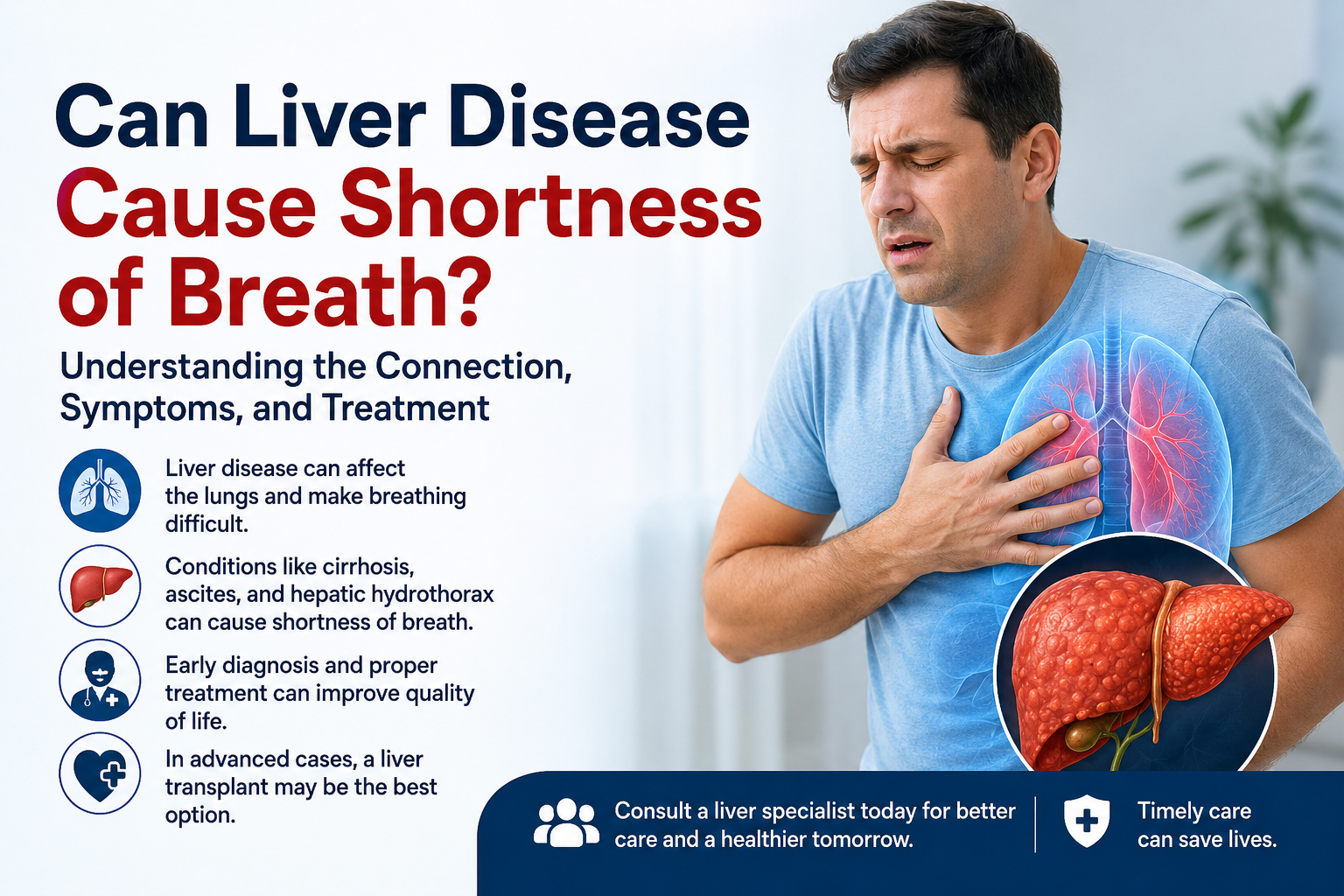
Have you ever felt out of breath even when you weren't doing anything strenuous? Many people immediately think of heart or lung problems. But surprisingly, your liver could also be involved.
The liver is one of the hardest-working organs in your body. It performs more than 500 essential functions, including filtering toxins, producing proteins, storing nutrients, and helping digestion. When the liver becomes damaged, it can affect several other organs—including your lungs and heart.
Think of your liver as the central engine of your body. When the engine starts failing, every connected system begins to struggle. One unexpected symptom of advanced liver disease is shortness of breath.
1. What Is Liver Disease?
Liver disease refers to any condition that affects the liver's ability to perform its vital functions. Since the liver carries out more than 500 essential tasks—including filtering toxins, producing proteins, storing nutrients, and supporting digestion—any damage can have serious effects on your overall health.
Discover how liver disease can cause shortness of breath, common symptoms, causes, treatments, and when liver transplantation may become necessary.
Some liver diseases develop gradually over many years, while others progress more rapidly.
Common Types of Liver Disease
- Fatty Liver Disease (NAFLD/MASLD)
- Alcohol-Related Liver Disease
- Hepatitis B and Hepatitis C
- Liver Cirrhosis
- Liver Cancer
- Inherited (Genetic) Liver Disorders
As liver disease progresses, it can affect many other organs, including the lungs, heart, kidneys, and brain. Severe liver damage may lead to life-threatening complications.
2. Can Liver Disease Cause Shortness of Breath?
Yes. Liver disease can cause shortness of breath, especially in its advanced stages.
Although breathlessness is usually not one of the earliest symptoms, it can become a significant problem as liver disease worsens, particularly in people with cirrhosis or liver failure.
Several liver-related conditions can contribute to breathing difficulties, including:
- Hepatopulmonary Syndrome (HPS)
- Portopulmonary Hypertension (POPH)
- Hepatic Hydrothorax (Fluid Around the Lungs)
- Ascites (Fluid in the Abdomen)
- Severe Anemia Associated with Liver Disease
If you experience persistent or worsening shortness of breath, don't ignore it. It could be a warning sign of advanced liver disease and should be evaluated by a doctor.
3. Why Does Liver Disease Affect Breathing?
The liver and lungs work together to keep your body functioning properly. When the liver becomes damaged, it can trigger several changes that interfere with normal breathing.
These changes may include:
- Altered blood flow through the lungs
- Abnormal widening of blood vessels in the lungs
- Fluid buildup in the chest or abdomen
- A buildup of toxins in the bloodstream
- Reduced oxygen exchange between the lungs and blood
As a result, everyday activities such as walking, climbing stairs, or even talking may leave you feeling breathless.
4. Hepatopulmonary Syndrome (HPS)
What Is Hepatopulmonary Syndrome?
Hepatopulmonary Syndrome (HPS) is a condition in which advanced liver disease causes the blood vessels in the lungs to widen abnormally.
Although blood continues to flow through the lungs, oxygen cannot efficiently move into the bloodstream. This results in lower oxygen levels throughout the body.
Common Symptoms
- Shortness of breath (Dyspnea)
- Low blood oxygen levels (Hypoxemia)
- Bluish lips or fingertips (Cyanosis)
- Fatigue and weakness
- Difficulty breathing that improves when lying down
Many patients with HPS say:
"I breathe more comfortably when I'm lying down."
Who Is Most at Risk?
People with:
- Liver Cirrhosis
- Portal Hypertension
- Advanced Chronic Liver Disease
Without treatment, HPS can significantly reduce quality of life.
5. Portopulmonary Hypertension (POPH)
Another serious complication of liver disease is Portopulmonary Hypertension (POPH).
This condition develops when liver disease causes high blood pressure in the arteries of the lungs, making it harder for the heart to pump blood effectively.
Symptoms Include
- Shortness of breath
- Chest pain
- Dizziness or lightheadedness
- Swelling in the legs and ankles
- Extreme fatigue
Because POPH affects both the heart and lungs, it requires specialized medical care.
6. Fluid Around the Lungs (Hepatic Hydrothorax)
In advanced liver disease, fluid may collect around one or both lungs. This condition is known as hepatic hydrothorax.
Even a small amount of fluid can make breathing uncomfortable.
Symptoms
- Shortness of breath
- Dry cough
- A feeling of chest heaviness or fullness
- Difficulty taking deep breaths
Doctors usually confirm hepatic hydrothorax using a chest X-ray or CT scan.
7. Ascites and Breathing Difficulty
One of the most common complications of advanced liver disease is ascites, a condition where excess fluid collects inside the abdomen.
As the fluid builds up, it pushes against the diaphragm—the muscle responsible for breathing.
Symptoms of Ascites Affecting Breathing
- Difficulty taking deep breaths
- Feeling full after eating small meals
- Shortness of breath, especially when lying flat
- Reduced ability to exercise or walk comfortably
Many patients notice that breathing becomes easier after excess abdominal fluid is drained.
8. Other Symptoms That May Occur Alongside Shortness of Breath
Shortness of breath often occurs together with other signs of liver disease.
Jaundice
Yellowing of the skin and the whites of the eyes.
Swollen Legs and Ankles
Fluid retention commonly affects the lower limbs.
Extreme Fatigue
Persistent tiredness is one of the most common symptoms of chronic liver disease.
Easy Bruising or Bleeding
The liver produces proteins that help the blood clot properly.
Confusion or Brain Fog
A buildup of toxins can affect brain function, causing confusion or difficulty concentrating.
Loss of Appetite
Poor liver function often leads to reduced appetite and unintended weight loss.
If you experience breathing problems along with these symptoms, seek medical attention as soon as possible.
9. How Doctors Diagnose the Cause
To identify the cause of shortness of breath, your doctor will determine whether the problem is related to the liver, lungs, heart, or another medical condition.
Common Diagnostic Tests
Blood Tests
Assess liver function and look for signs of infection or anemia.
Chest X-ray
Checks for fluid around the lungs.
CT Scan
Provides detailed images of the liver, lungs, and chest.
Ultrasound
Detects liver damage, ascites, and other abdominal abnormalities.
Echocardiogram
Evaluates heart function and measures pressure in the pulmonary arteries.
Pulse Oximetry
Measures the oxygen level in your blood.
Arterial Blood Gas (ABG) Test
Provides a more accurate measurement of oxygen and carbon dioxide levels.
Early diagnosis can help prevent serious complications and improve treatment outcomes.
10. Treatment Options
Treatment depends on the underlying cause of your breathing difficulty.
Medications
Your doctor may prescribe medicines to:
- Reduce fluid buildup
- Treat infections
- Improve blood circulation
- Manage portal hypertension
Oxygen Therapy
Patients with low oxygen levels often benefit from supplemental oxygen.
Fluid Drainage
If fluid accumulates in the abdomen or around the lungs, your doctor may recommend draining it to relieve pressure and improve breathing.
Lifestyle Changes
Healthy habits can slow liver disease progression and improve overall health.
These include:
- Avoiding alcohol
- Maintaining a healthy weight
- Following a balanced diet
- Reducing salt intake
- Exercising safely and regularly
- Taking medications exactly as prescribed
11. Liver Transplant
When liver damage becomes irreversible, a liver transplant may be the only long-term treatment option.
Patients who may qualify include those with:
- End-stage liver disease
- Advanced liver cirrhosis
- Hepatopulmonary syndrome
- Liver failure
- Selected cases of liver cancer
Choosing the best liver transplant surgeon in India is essential for achieving the best possible outcome. A successful transplant depends on experienced surgeons, advanced surgical technology, comprehensive post-operative care, and long-term follow-up.
Early referral to a specialized liver transplant center often leads to better survival rates and an improved quality of life.
12. Protecting Your Liver and Lungs
Simple lifestyle changes can help reduce the risk of liver disease and its complications.
Maintain a Healthy Weight
Being overweight increases the risk of fatty liver disease.
Limit Alcohol Consumption
Alcohol can cause ongoing liver damage.
Get Vaccinated
Protect yourself with Hepatitis A and Hepatitis B vaccines if recommended.
Exercise Regularly
Aim for at least 30 minutes of physical activity most days of the week.
Eat a Balanced Diet
Choose foods such as:
- Fresh fruits
- Vegetables
- Whole grains
- Lean proteins
- Healthy fats
Don't Smoke
Quitting smoking benefits both your lungs and overall health.
Use Medicines Safely
Always follow your doctor's instructions and avoid taking high doses of acetaminophen unless advised by a healthcare professional.
13. When Should You Seek Medical Help?
Seek immediate medical attention if you experience:
- Sudden or severe shortness of breath
- Chest pain
- Bluish lips or fingertips
- A persistent cough
- Rapid abdominal swelling
- Vomiting blood
- Black or tarry stools
- Severe weakness
- Confusion or difficulty staying alert
These symptoms may indicate a medical emergency and require immediate treatment.
14. Conclusion
Shortness of breath isn't always caused by a lung problem. In people with advanced liver disease, breathing difficulties can develop because the liver is no longer able to perform its essential functions. Conditions such as hepatopulmonary syndrome, portopulmonary hypertension, ascites, and hepatic hydrothorax are all possible causes.
The good news is that early diagnosis and appropriate treatment can significantly improve both symptoms and quality of life. If liver disease has progressed to an advanced stage, discussing treatment options—including liver transplantation—with an experienced specialist is essential. Consulting the best liver transplant surgeon in India at the right time can improve treatment outcomes and offer the best chance for long-term recovery.
In this article, we'll explore how liver disease can cause breathing problems, the conditions responsible, symptoms to watch for, available treatments, and when a liver transplant may become necessary.

 English
 Arabic
 French
 Spanish
 Portuguese
 Deutsch
 Turkish
 Italiano
 Russian
 Romaian
 Portuguese (Brazil)
 Greek
Greek