


How Can Smart Water Management Help Protect Rivers for the Future?
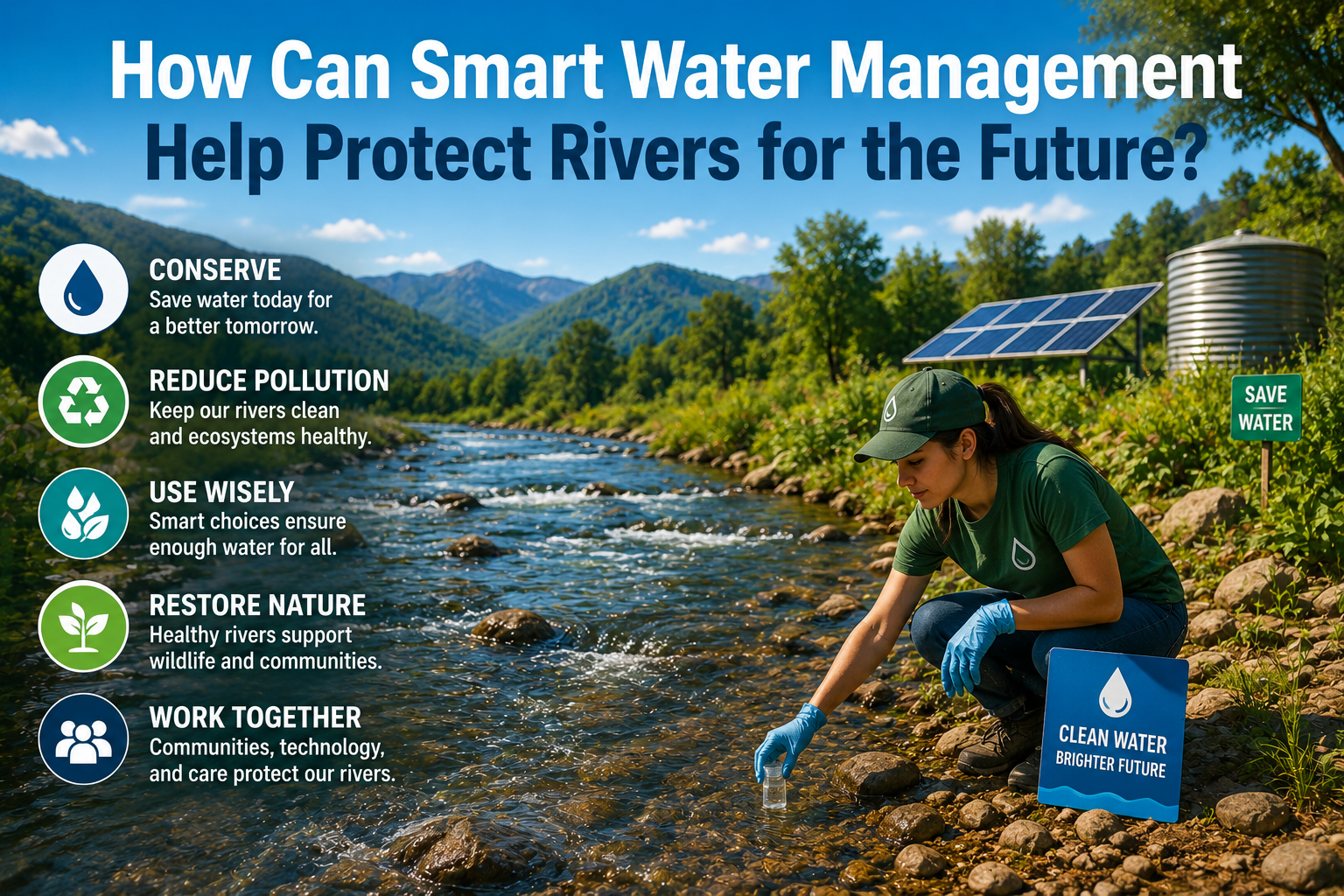
Healthy rivers are important for people, wildlife, farming, and businesses. Smart water management is one of the best ways to protect rivers for future generations. It helps reduce pollution, save water, improve water quality, and keep natural habitats healthy. Whether communities, businesses, or governments work together, careful planning can make a big difference. Projects and solutions connected with River X can also support better water management by encouraging responsible use of natural water resources.
Smart water management is not only about using less water. It is about using water wisely, preventing waste, improving infrastructure, and protecting ecosystems at the same time. When rivers stay clean and healthy, they can continue providing fresh water, support wildlife, reduce flood risks, and offer recreational opportunities. As awareness grows, many organizations, including River X, continue to highlight the importance of sustainable water practices.
What Is Smart Water Management?
Smart water management is the process of planning, monitoring, and using water resources in the most efficient way possible. It combines modern technology, good environmental practices, and responsible decision-making to reduce waste while protecting natural water sources.
Instead of reacting to water problems after they happen, smart water management focuses on preventing issues before they become serious. This approach helps communities prepare for changing weather patterns, growing populations, and increasing water demand.
Why Rivers Need Better Protection
Rivers face many challenges today. Pollution, climate change, population growth, and poor land management all place pressure on freshwater systems. Without proper protection, rivers can lose their ability to support plants, animals, and people.
Common threats to rivers include:
- Industrial pollution
- Agricultural runoff
- Plastic waste
- Soil erosion
- Illegal dumping
- Water overuse
- Poor urban planning
Managing these problems requires long-term planning and cooperation from governments, businesses, and local communities.
Reducing Water Waste
One of the biggest benefits of smart water management is reducing unnecessary water waste.
Water can be lost through leaking pipes, outdated irrigation systems, and inefficient industrial processes. Modern monitoring systems help detect leaks early, allowing repairs before significant amounts of water are lost.
Saving water means more clean water remains available for rivers, wetlands, and surrounding ecosystems.
Improving Water Quality
Clean water is essential for healthy rivers.
Smart monitoring systems regularly check water quality by measuring pollution levels, oxygen content, temperature, and chemical balance. When problems are found early, authorities can respond quickly before pollution spreads.
Cleaner rivers benefit:
- Fish populations
- Birds
- Aquatic plants
- Farmers
- Local communities
- Tourism businesses
Maintaining high water quality supports both environmental health and economic growth.
Using Technology to Monitor Rivers
Modern technology has transformed river management.
Many organizations now use:
- Remote sensors
- Satellite imaging
- Drones
- Smart water meters
- Digital mapping
- Data analytics
These tools provide real-time information about water levels, pollution, and weather conditions. Decision-makers can use this information to respond faster and make better long-term plans.
Technology also helps reduce maintenance costs while improving the accuracy of environmental monitoring.
Managing Stormwater More Effectively
Heavy rainfall can quickly overwhelm drainage systems, carrying pollution into nearby rivers.
Smart stormwater management includes:
- Rain gardens
- Green roofs
- Permeable pavements
- Retention ponds
- Natural wetlands
These solutions slow down rainwater, allow it to filter naturally, and reduce pollution before it reaches rivers.
Natural water absorption also helps lower the risk of flooding.
Supporting Healthy Wildlife
Rivers provide homes for countless species of fish, birds, insects, and aquatic plants.
When rivers become polluted or water levels change dramatically, wildlife suffers.
Smart water management helps protect natural habitats by:
- Maintaining healthy water flow
- Reducing pollution
- Preventing habitat destruction
- Restoring damaged riverbanks
- Protecting breeding areas
Healthy ecosystems are more resilient and better able to adapt to environmental changes.
Encouraging Sustainable Farming
Agriculture depends heavily on water, but farming can also contribute to river pollution if not managed carefully.
Smart farming practices include:
- Efficient irrigation systems
- Soil moisture monitoring
- Controlled fertilizer use
- Buffer vegetation near waterways
- Rainwater collection
These methods reduce runoff while maintaining productive farmland.
Farmers benefit by lowering water costs while protecting nearby rivers.
Helping Communities Prepare for Climate Change
Climate change is creating more droughts, floods, and unpredictable weather.
Smart water management helps communities become more resilient by improving water storage, monitoring rainfall, and preparing emergency response plans.
Better planning allows communities to continue accessing clean water even during difficult weather conditions.
Long-term investment in water infrastructure also reduces future repair costs.
Restoring Damaged River Systems
Some rivers have already experienced years of pollution and habitat loss.
Restoration projects focus on:
- Removing waste
- Replanting native vegetation
- Stabilizing riverbanks
- Improving water flow
- Rebuilding natural habitats
These improvements help rivers recover naturally over time.
Many successful restoration efforts demonstrate that damaged waterways can become healthy again with proper planning and ongoing care.
Educating the Public
Protecting rivers is not only the responsibility of governments and environmental organizations.
Public education encourages people to:
- Save water at home
- Dispose of waste properly
- Reduce plastic use
- Join local clean-up events
- Report pollution
- Support conservation programs
Small daily actions from millions of people create lasting environmental benefits.
Schools, businesses, and community groups all play an important role in building awareness.
Strengthening Government Policies
Strong environmental policies support long-term river protection.
Governments can encourage smart water management by:
- Setting water quality standards
- Monitoring industrial discharge
- Funding conservation projects
- Supporting research
- Enforcing environmental regulations
- Promoting sustainable development
Clear regulations create accountability while protecting valuable natural resources.
Encouraging Business Responsibility
Businesses use large amounts of water every day.
Companies can contribute by:
- Recycling water
- Installing efficient equipment
- Monitoring water consumption
- Reducing pollution
- Following environmental standards
Many businesses now recognize that sustainable water management benefits both the environment and long-term operations.
Responsible environmental practices also improve public trust and corporate reputation.
Working Together for Better Results
No single organization can protect rivers alone.
Successful water management requires cooperation between:
- Local governments
- Environmental organizations
- Scientists
- Businesses
- Farmers
- Community volunteers
- Educational institutions
When everyone works toward the same goal, better results become possible.
Collaboration allows knowledge, resources, and technology to be shared more effectively.
The Role of Innovation
Innovation continues to improve water management every year.
New developments include:
- Artificial intelligence for water forecasting
- Automated monitoring systems
- Advanced water recycling
- Smart irrigation technology
- Digital environmental reporting
These innovations help solve problems faster while reducing operational costs.
As technology continues to evolve, future river protection efforts will become even more effective.
Looking Ahead
Future generations depend on the decisions made today.
Protecting rivers requires ongoing investment, education, responsible planning, and continuous improvement. Smart water management offers practical solutions that balance environmental protection with the growing needs of communities and industries.
Protecting Underground Water Sources
Many rivers are connected to underground water supplies known as groundwater. When groundwater becomes polluted or is overused, rivers can also suffer because they often receive water from these underground sources.
Smart water management includes protecting groundwater by reducing pollution, limiting unnecessary water extraction, and encouraging responsible land use. Healthy groundwater supports river flow during dry seasons and helps maintain water quality throughout the year.
The Importance of Natural Wetlands
Wetlands act like natural filters that clean water before it reaches rivers. They remove harmful pollutants, trap sediment, and provide homes for many plants and animals.
Protecting and restoring wetlands is a valuable part of smart water management because they:
- Improve water quality naturally
- Reduce flood risks
- Store excess rainwater
- Support biodiversity
- Help recharge groundwater supplies
When wetlands are healthy, nearby rivers are often healthier too.
Preventing Soil Erosion
Soil erosion is another major threat to rivers. Heavy rain, poor farming practices, and construction work can wash large amounts of soil into waterways.
Too much sediment can make rivers shallow, reduce water quality, and harm fish habitats.
Smart water management encourages erosion control through:
- Planting trees and grasses
- Protecting riverbanks
- Using proper drainage systems
- Practicing sustainable farming
- Limiting unnecessary land clearing
These actions help keep rivers cleaner and reduce long-term maintenance costs.
Encouraging Water Recycling
Water recycling allows treated wastewater to be reused instead of being wasted.
Recycled water can be used for:
- Irrigating parks
- Watering crops
- Industrial cooling
- Street cleaning
- Construction projects
Using recycled water reduces pressure on rivers and freshwater supplies. It also helps communities prepare for periods of drought by making better use of available resources.
Building Smarter Cities
Urban development has a major impact on rivers.
Roads, buildings, and parking areas prevent rainwater from soaking into the ground. Instead, water quickly flows into drains, carrying oil, chemicals, and rubbish into nearby rivers.
Smart city planning includes:
- Green spaces
- Permeable footpaths
- Modern drainage systems
- Rainwater harvesting
- Tree planting
- Sustainable building designs
These improvements help manage stormwater while protecting local waterways.
The Role of Education in Long-Term Success
Education creates lasting environmental change.
Children who learn about water conservation often develop responsible habits that continue into adulthood. Schools can teach students about river ecosystems, pollution prevention, and water-saving techniques through practical activities and local projects.
Community education programs also encourage homeowners and businesses to reduce waste, report pollution, and support conservation efforts.
When people understand why rivers matter, they are more likely to protect them.
Supporting Local Conservation Projects
Many communities have volunteer groups dedicated to protecting local rivers.
These organizations often organize:
- River clean-up days
- Tree planting events
- Wildlife monitoring
- Educational workshops
- Water quality testing
- Habitat restoration
Supporting local conservation projects allows individuals to make a direct contribution to healthier waterways.
Even small community efforts can produce significant environmental improvements over time.
Encouraging Responsible Tourism
Many rivers attract visitors for fishing, kayaking, boating, hiking, and wildlife watching.
Tourism provides economic benefits but can also damage natural environments if not managed carefully.
Responsible tourism encourages visitors to:
- Leave no rubbish behind
- Stay on marked trails
- Respect wildlife
- Avoid polluting waterways
- Support local conservation programs
Sustainable tourism allows people to enjoy rivers while helping preserve them for future visitors.
Measuring Success Through Regular Monitoring
Smart water management does not end after a project is completed.
Regular monitoring helps determine whether conservation efforts are working as planned.
Experts collect information such as:
- Water quality results
- River flow levels
- Wildlife populations
- Vegetation growth
- Pollution levels
- Community participation
This information helps improve future decision-making and ensures resources are used effectively.

 English
 Arabic
 French
 Spanish
 Portuguese
 Turkish
 Dutch
Dutch
 Italiano
 Russian
 Romaian
 Portuguese (Brazil)
 Greek
Greek