


The Growing Role of Pharmacovigilance in Global Drug Safety
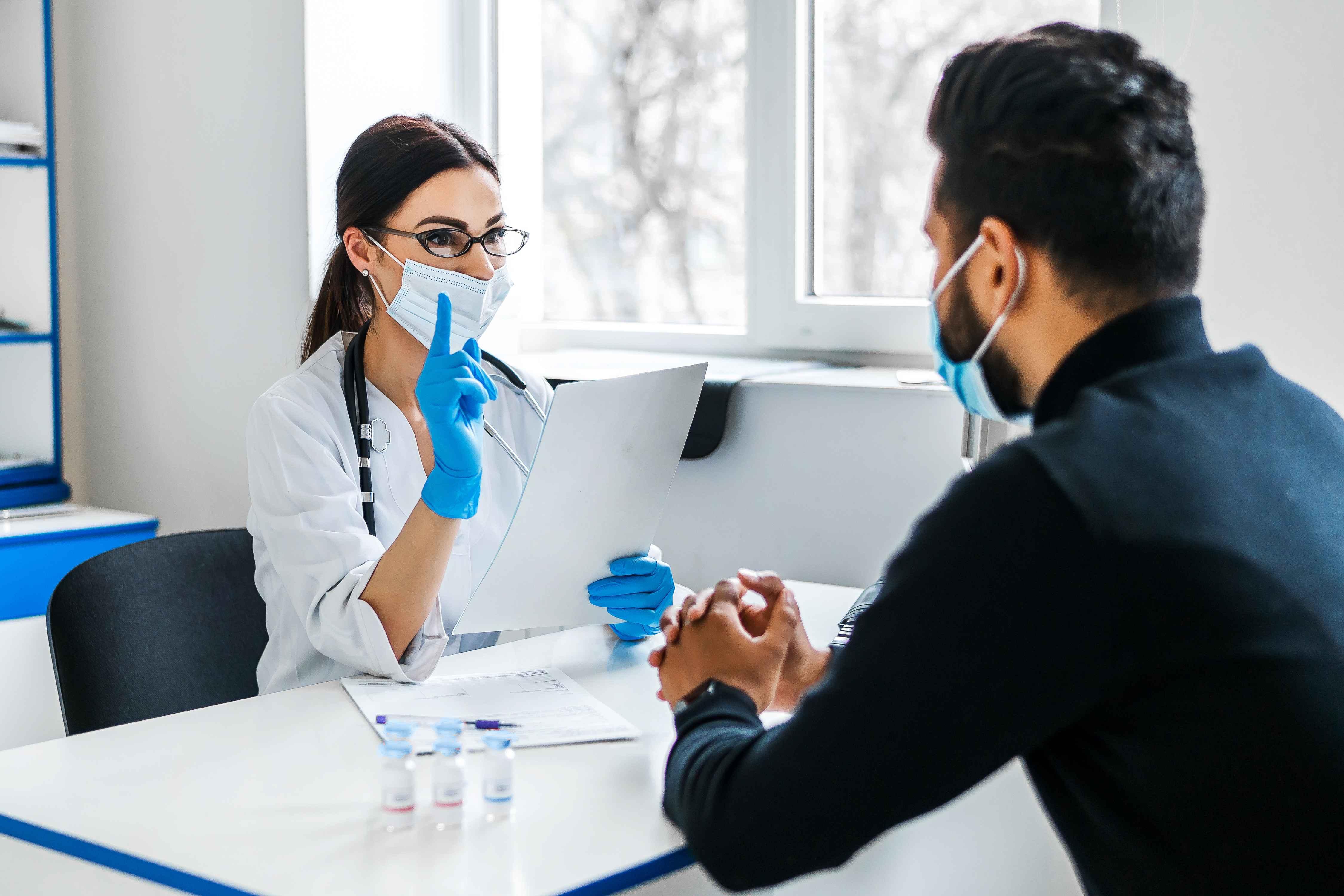
Patient safety has always been a cornerstone of the pharmaceutical industry, but the way companies approach safety monitoring has changed dramatically over the past decade. As medicines reach larger and more diverse patient populations across the world, the need for effective pharmacovigilance has never been greater. This growing complexity is one reason why Drug safety consulting services have become increasingly important for pharmaceutical, biotechnology, and healthcare organizations seeking to strengthen compliance and improve patient outcomes.
Today, pharmacovigilance extends far beyond adverse event reporting. It has become a comprehensive system that supports risk management, regulatory compliance, product lifecycle monitoring, and continuous patient protection. As healthcare systems become more interconnected and regulatory expectations continue to evolve, pharmacovigilance is playing a larger role than ever in global drug safety.
In this article, we'll explore how pharmacovigilance has evolved, why it matters, and the impact it continues to have on protecting patients worldwide.
What Is Pharmacovigilance?
Pharmacovigilance is the science and process of detecting, assessing, understanding, and preventing adverse effects or other medicine-related problems.
Its primary goal is to ensure that medicinal products remain safe and effective throughout their lifecycle.
While clinical trials provide valuable information before a product reaches the market, they cannot capture every potential safety concern. Once a medicine is used by larger and more diverse populations, additional safety data begins to emerge.
Pharmacovigilance helps organizations collect, analyze, and act upon this information to support patient safety and informed healthcare decisions.
Why Global Drug Safety Is Becoming More Complex
The pharmaceutical industry has become increasingly global.
A single medicine may be developed in one country, manufactured in another, and distributed across dozens of international markets.
This globalization creates unique challenges, including:
-
Diverse patient populations
-
Different regulatory requirements
-
Expanding product portfolios
-
Increased safety data volumes
-
Faster reporting expectations
-
Greater public scrutiny
Managing these complexities requires sophisticated pharmacovigilance systems capable of monitoring safety information across multiple regions and regulatory frameworks.
As healthcare becomes more interconnected, the importance of global drug safety continues to grow.
From Reactive Monitoring to Proactive Risk Management
Historically, pharmacovigilance focused heavily on collecting and reporting adverse event information.
Today, the discipline has evolved into a proactive approach centered on identifying and managing risks before they become significant safety concerns.
Modern pharmacovigilance programs include:
-
Signal detection
-
Risk assessment
-
Benefit-risk evaluation
-
Risk minimization planning
-
Ongoing safety monitoring
-
Regulatory communication
This shift from reactive reporting to proactive risk management has strengthened patient protection and improved decision-making across the pharmaceutical industry.
The Role of Pharmacovigilance Throughout the Product Lifecycle
One of the reasons pharmacovigilance has become so important is that it supports safety oversight at every stage of a product's lifecycle.
During Clinical Development
Safety monitoring begins long before a product receives regulatory approval.
Clinical trial safety data helps researchers evaluate risks and determine whether a product can move forward in development.
During Product Approval
Regulatory authorities review safety information to assess whether a medicine's benefits outweigh its risks.
Pharmacovigilance activities help support these evaluations and provide evidence for regulatory decision-making.
After Market Authorization
Once a product reaches the market, pharmacovigilance becomes even more critical.
Real-world use often generates new safety information that was not identified during clinical trials.
This ongoing monitoring helps ensure that products continue to maintain a favorable benefit-risk profile.
Supporting Regulatory Compliance Worldwide
Regulatory authorities across the globe place significant emphasis on pharmacovigilance.
Organizations must comply with various requirements related to:
-
Adverse event reporting
-
Safety documentation
-
Signal management
-
Risk management plans
-
Periodic safety reporting
-
Inspection readiness
Maintaining compliance across multiple jurisdictions can be challenging.
This is why many organizations rely on experienced Drug safety consulting services to help navigate evolving regulations and ensure alignment with international expectations.
Consulting expertise can provide valuable guidance in developing systems that support both compliance and operational efficiency.
The Impact of Technology on Pharmacovigilance
Technology has transformed the way safety data is collected, analyzed, and managed.
Modern pharmacovigilance programs increasingly rely on digital tools to:
-
Process large volumes of data
-
Track adverse events
-
Identify safety trends
-
Generate reports
-
Support regulatory submissions
Artificial intelligence, automation, and advanced analytics are also beginning to play a larger role in safety monitoring.
These technologies help organizations improve efficiency while maintaining high standards of data quality and regulatory compliance.
However, technology remains most effective when combined with expert oversight and strong governance processes.
Why Patient-Centric Safety Monitoring Matters
At the heart of pharmacovigilance is a commitment to patient well-being.
Every safety report represents a real-world patient experience that can contribute to a better understanding of a medicine's safety profile.
Organizations that prioritize pharmacovigilance are better positioned to:
-
Detect emerging risks
-
Improve treatment outcomes
-
Strengthen patient confidence
-
Support informed prescribing decisions
Patient-centric safety monitoring helps create a healthcare environment where risks are managed proactively and transparently.
The Growing Demand for Specialized Expertise
As pharmacovigilance becomes more sophisticated, organizations increasingly seek external expertise to support their safety programs.
Experienced professionals can assist with:
-
Safety system development
-
Regulatory compliance
-
Risk management
-
Inspection preparation
-
Signal detection
-
Quality oversight
Professional Drug safety consulting services allow organizations to access specialized knowledge while maintaining flexibility and scalability.
This support can be particularly valuable for growing companies or organizations entering new markets.
Looking Ahead
The future of pharmacovigilance will continue to be shaped by globalization, technological innovation, and evolving regulatory expectations.
Organizations will need to remain adaptable while maintaining a strong focus on patient safety and compliance.
As healthcare systems generate more data and regulators demand greater transparency, pharmacovigilance will become even more important in supporting safe and effective medicine use worldwide.
Final Thoughts
The role of pharmacovigilance has expanded significantly over the years, evolving from a reporting function into a critical component of global healthcare and patient protection.
Today, it supports risk management, regulatory compliance, product monitoring, and informed decision-making across every stage of the product lifecycle.
As the pharmaceutical industry continues to evolve, Drug safety consulting services will remain an important resource for organizations seeking to strengthen pharmacovigilance programs and navigate complex regulatory environments.
In 2026 and beyond, companies that invest in strong pharmacovigilance systems will be better equipped to protect patients, manage risks, and maintain trust in an increasingly connected global healthcare landscape.

 English
 Arabic
 French
 Spanish
 Portuguese
 Deutsch
 Turkish
 Dutch
Dutch
 Italiano
 Russian
 Romaian
 Greek
Greek