


Marriage Blood Test: Myths vs. Facts Explained
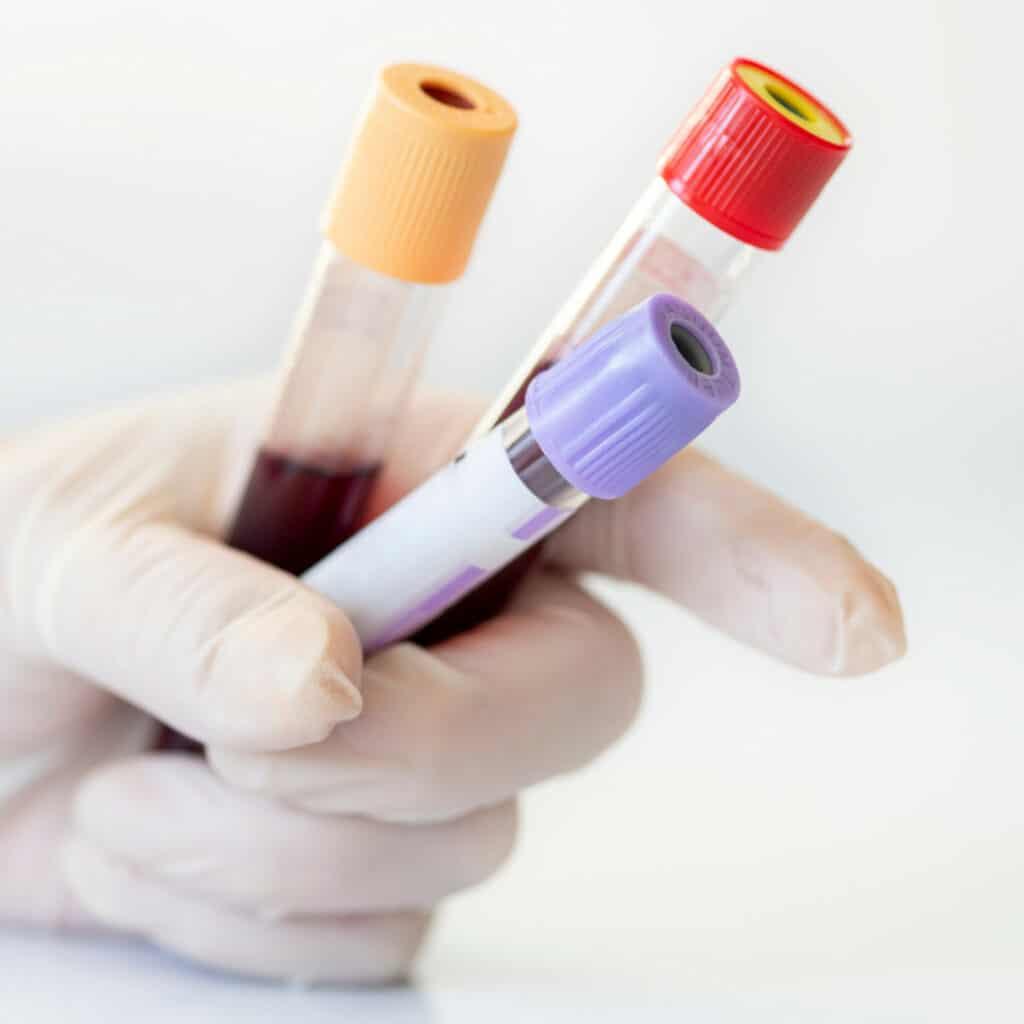
Marriage is one of the biggest milestones in life, and preparing for it goes beyond planning a wedding ceremony. Today, many couples are choosing to undergo a marriage blood test before tying the knot. While some people believe these tests are unnecessary or even intrusive, others see them as an important step toward building a healthier future together.
A Marriage Blood Test in Dubai is not about questioning trust or compatibility. Instead, it helps identify potential health concerns, inherited disorders, blood group compatibility, and infectious diseases that may affect both partners or their future children. Understanding the facts behind marriage blood tests can help couples make informed decisions without fear or confusion.
The Biggest Myths About Marriage Blood Tests:
Many misconceptions surround premarital medical screening. Let's separate fiction from reality.
Marriage Blood Tests Are Mandatory Everywhere:
One of the most common misunderstandings is that every country legally requires a blood test before marriage.
Fact: Requirements vary widely. Some countries require specific medical screenings before issuing a marriage license, while many others leave the decision entirely up to the couple. Even where testing is optional, healthcare professionals often recommend it because of its preventive benefits.
Blood Tests Decide Whether You Can Get Married:
Some people fear that abnormal test results automatically prevent marriage.
Fact: A marriage blood test is designed to provide medical information—not permission to marry. Test results simply help couples understand potential health risks so they can seek medical advice, treatment, or genetic counseling if necessary.
Healthy People Don't Need Premarital Testing:
Feeling healthy does not always mean someone is free from medical conditions.
Fact: Certain inherited diseases, infections, and genetic disorders show no symptoms for years. Routine blood screening may reveal conditions that would otherwise remain undetected.
What Does a Marriage Blood Test Usually Include?
The exact tests depend on local healthcare guidelines, family history, and physician recommendations. Common screenings may include:
-
Blood group and Rh factor testing
-
Complete blood count (CBC)
-
Thalassemia screening
-
Sickle cell disease testing
-
HIV screening
-
Hepatitis B and Hepatitis C tests
-
Syphilis screening
-
Blood sugar testing
-
Genetic carrier screening when recommended
Doctors may also suggest additional laboratory tests based on age, ethnicity, lifestyle, or existing medical conditions.
Why Blood Group Compatibility Matters?
Blood group compatibility is often misunderstood.
Many people believe couples with different blood types cannot have healthy children. This is inaccurate.
The primary concern involves the Rh factor. If one partner has Rh-negative blood and the other is Rh-positive, special medical care during pregnancy may be recommended to reduce complications. Modern medicine has highly effective treatments that significantly minimize these risks.
Knowing each partner's blood type simply helps healthcare providers plan safer pregnancies in the future.
Genetic Disorders Can Be Detected Early:
One of the greatest advantages of premarital screening is identifying inherited conditions before starting a family.
Genetic disorders such as thalassemia and sickle cell disease can be passed from parents to children even when both parents appear perfectly healthy. If both partners are carriers of the same condition, genetic counseling can explain the chances of passing the disorder to future children and discuss available reproductive options.
Early awareness empowers couples rather than limiting their choices.
Infectious Disease Screening Protects Both Partners:
Marriage blood tests often include screening for infectious diseases that may otherwise go unnoticed.
These commonly include:
-
HIV
-
Hepatitis B
-
Hepatitis C
-
Syphilis
Early diagnosis allows timely treatment, reduces transmission risks, and improves long-term health outcomes. Many infectious diseases can now be effectively managed with modern medical care.
Testing should never be viewed as a sign of mistrust. Instead, it demonstrates mutual respect and shared responsibility for each other's health.
Emotional Benefits of Premarital Medical Testing:
Although medical benefits receive the most attention, emotional benefits are equally valuable.
Couples often experience greater peace of mind after receiving their test results. Honest discussions about family health history, future pregnancies, and preventive healthcare build stronger communication before marriage begins.
Being transparent about health concerns strengthens trust instead of weakening it.
Common Reasons Doctors Recommend Marriage Blood Tests:
Healthcare providers recommend premarital blood screening for several practical reasons:
-
Detect hidden health conditions.
-
Identify inherited genetic disorders.
-
Prevent transmission of infectious diseases.
-
Plan safer pregnancies.
-
Understand blood group compatibility.
-
Encourage preventive healthcare.
-
Promote informed family planning.
Rather than creating anxiety, these tests provide valuable information for healthier decision-making.
Who Should Consider a Premarital Blood Test?
Although every couple can benefit, testing is especially recommended when:
-
There is a family history of genetic diseases.
-
Partners belong to populations with higher rates of inherited blood disorders.
-
Couples plan to have children.
-
One partner has chronic medical conditions.
-
Healthcare providers advise additional screening based on personal medical history.
Ultimately, premarital testing supports long-term health regardless of age or background.
Preparing for a Marriage Blood Test:
Preparation is usually straightforward.
Depending on the specific laboratory tests ordered, fasting may or may not be required. Couples should inform their healthcare provider about current medications, previous illnesses, vaccinations, and family medical history.
Some genetic screenings may also involve counseling sessions to help interpret the results accurately.
Following your doctor's instructions ensures the most reliable test outcomes.
Understanding the Results:
Receiving abnormal test results does not automatically indicate a serious illness.
Many conditions discovered through routine blood testing are manageable with medication, lifestyle changes, vaccination, or regular monitoring. In cases involving inherited disorders, genetic counselors help explain risks and available options without pressuring couples into specific decisions.
The purpose of testing is education—not judgment.
Frequently Asked Questions:
Is a marriage blood test painful?
Most screenings require only a simple blood sample taken from a vein. The procedure is quick and involves minimal discomfort.
Can blood tests detect infertility?
No. Standard premarital blood tests do not diagnose infertility. Additional reproductive evaluations are needed if fertility concerns exist.
How long do results take?
Depending on the laboratory and type of screening, results may be available within one to several days. Specialized genetic tests can take longer.
Are marriage blood tests confidential?
Yes. Medical laboratories and healthcare providers are generally required to protect patient privacy and maintain confidentiality.
Final Thoughts:
Marriage blood Lab tests are not designed to create obstacles—they are meant to build healthier futures. By identifying inherited disorders, checking blood group compatibility, screening for infectious diseases, and encouraging preventive healthcare, these tests give couples valuable knowledge before beginning married life.
Ignoring myths and focusing on medical facts allows couples to make informed decisions with confidence. A simple blood test today can contribute to healthier pregnancies, better disease prevention, stronger communication, and greater peace of mind for years to come.
Choosing premarital screening is ultimately an investment in both your relationship and your family's future.

 English
 Arabic
 French
 Spanish
 Portuguese
 Deutsch
 Turkish
 Italiano
 Russian
 Romaian
 Portuguese (Brazil)
 Greek
Greek