


How to Care for a Patient on TPN at Home
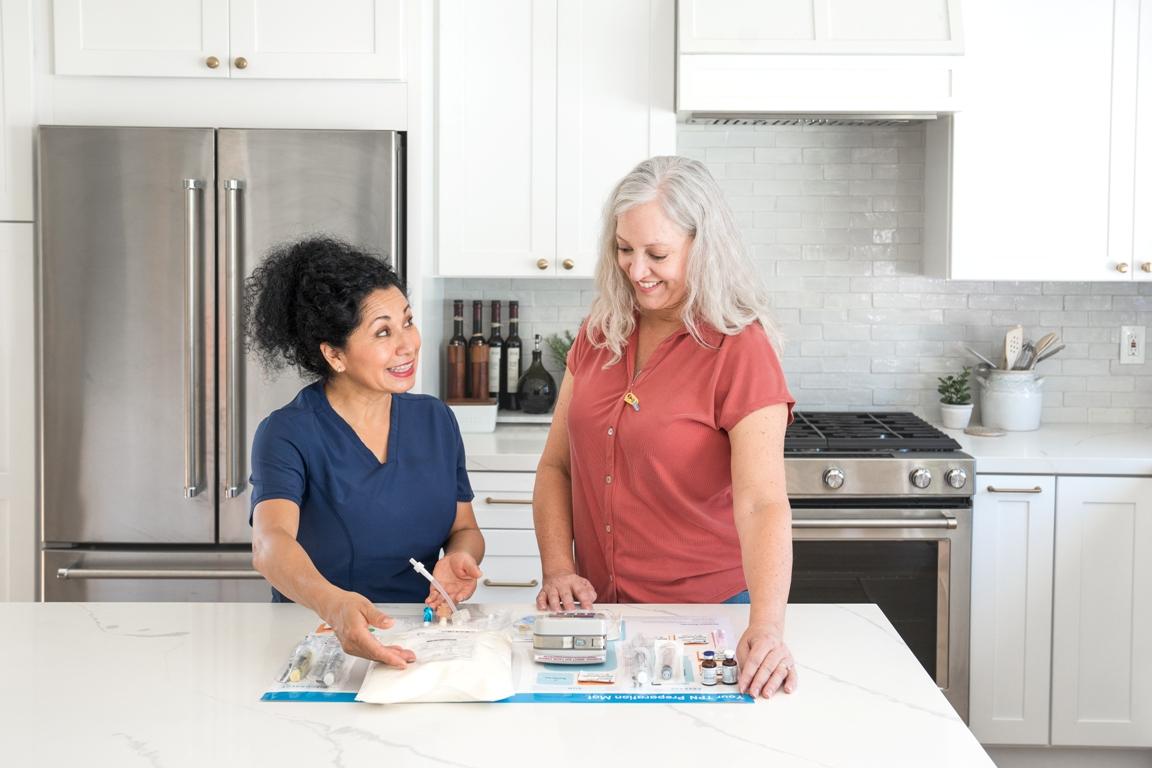
Caring for a patient receiving intravenous nutrition requires attention, consistency, and proper medical guidance, especially when services like TPN At Home In Dubai are involved. Total Parenteral Nutrition (TPN) at home allows patients who cannot eat or absorb nutrients normally to receive complete nutritional support in a safe environment. With structured support from Doctor at Home services, families can confidently manage care while ensuring clinical standards are maintained outside the hospital.
Understanding Home-Based TPN Care:
Total Parenteral Nutrition (TPN) is a medical therapy that delivers essential nutrients directly into the bloodstream through a central venous catheter. Home-based care allows patients to continue this treatment outside the hospital while still receiving professional supervision. It is typically recommended for individuals with severe digestive disorders, intestinal failure, or post-surgical complications that prevent normal nutrient absorption. Proper understanding of the therapy is essential for safe and effective home management.
Role of Caregivers in TPN Management:
Caregivers play a crucial role in ensuring the success of home TPN therapy. Their responsibilities include assisting with daily treatment routines, maintaining hygiene standards, and observing the patient’s overall condition. With proper training and medical guidance, caregivers can significantly reduce risks and improve patient comfort and safety during long-term treatment.
Preparing the Environment for TPN at Home:
A clean and organized environment is essential for safe TPN administration. The infusion area should be free from dust, clutter, and potential contaminants to reduce the risk of infection.
Key preparation steps include:
- Cleaning and disinfecting the infusion area regularly.
- Ensuring good lighting for visibility during procedures.
- Keeping all supplies in a designated clean storage space.
- Avoiding pets or unnecessary movement near the infusion site.
- Maintaining a calm and stable environment during infusion.
A controlled setup helps ensure smooth and safe administration of therapy.
Catheter Care and Hygiene Practices:
Proper catheter care is one of the most important aspects of home TPN management. The central venous catheter must be handled with sterile techniques to prevent infections and complications.
Essential hygiene practices include:
- Washing hands thoroughly before touching any equipment.
- Using sterile gloves during catheter handling.
- Cleaning the catheter site as instructed by healthcare providers.
- Checking for redness, swelling, or discharge daily.
- Securing the catheter properly to prevent accidental pulling.
Strict adherence to hygiene protocols significantly reduces infection risks.
Administering TPN Safely at Home:
TPN administration must follow precise medical instructions to ensure safe delivery of nutrients. The infusion is usually controlled by an electronic pump that regulates the flow rate.
Safe administration steps include:
- Checking the TPN solution for leaks or discoloration.
- Ensuring the infusion pump is functioning correctly.
- Following the prescribed infusion schedule strictly.
- Monitoring the catheter connection during infusion.
- Avoiding interruptions once the infusion begins unless instructed.
Careful attention during administration helps prevent complications and ensures effective treatment.
Monitoring Patient Health and Warning Signs:
Continuous observation of the patient’s condition is essential during home TPN therapy. Early detection of complications can prevent serious health issues.
Caregivers should monitor:
- Body temperature for signs of infection.
- Catheter site for redness or swelling.
- Unusual fatigue or weakness.
- Shortness of breath or chest discomfort.
- Changes in appetite or general condition.
If any abnormal symptoms appear, medical assistance should be contacted immediately.
Nutrition and Fluid Balance Awareness:
Even though nutrients are delivered intravenously, monitoring overall health and hydration status remains important. Healthcare professionals regularly adjust TPN formulations based on laboratory results and patient needs.
Caregivers should ensure:
- Proper storage of TPN solutions as instructed.
- Adherence to infusion timing schedules.
- Awareness of fluid intake recommendations.
- Reporting weight changes or swelling.
- Attending scheduled lab tests and follow-ups.
Maintaining balance helps support long-term recovery and stability.
Role of Healthcare Professionals in Home TPN Care:
Professional support is essential for safe home-based nutrition therapy. Physicians, nurses, and dietitians work together to monitor treatment progress and adjust nutritional plans as needed. Regular visits and consultations ensure the therapy remains effective and safe. In addition, Doctor at Home services provide timely medical evaluations, reducing the need for frequent hospital visits while maintaining high-quality care standards.
Preventing Complications in Home TPN Care:
Preventing complications requires consistent attention to hygiene, monitoring, and communication with healthcare providers. Most risks can be minimized through proper training and adherence to medical instructions.
Preventive measures include:
- Maintaining strict sterile techniques.
- Following all prescribed care instructions.
- Keeping emergency contact numbers available.
- Attending all scheduled medical appointments.
- Reporting symptoms early to healthcare providers.
These steps help ensure safe long-term treatment at home.
Emotional Support and Patient Well-Being:
Long-term TPN therapy can be emotionally challenging for both patients and caregivers. Providing emotional support helps improve mental well-being and treatment adherence.
Important support strategies include:
- Encouraging open communication about concerns.
- Maintaining a positive and calm environment.
- Involving family members in care routines.
- Providing reassurance during difficult moments.
- Seeking professional counseling if needed.
Emotional stability plays a key role in successful recovery.
Final Thoughts
Caring for a patient on home-based Total Parenteral Nutrition requires commitment, knowledge, and proper medical support. With structured guidance, strict hygiene practices, and continuous monitoring, families can safely manage treatment at home. Supported by advanced healthcare systems like TPN At Home In Dubai and professional Doctor at Home services, patients can receive high-quality nutritional care while maintaining comfort, dignity, and improved quality of life in their own homes.

 Arabic
 French
 Spanish
 Portuguese
 Deutsch
 Turkish
 Dutch
Dutch
 Italiano
 Russian
 Romaian
 Portuguese (Brazil)
 Greek
Greek