


Marriage Blood Test: Essential Health Screening Before Marriage
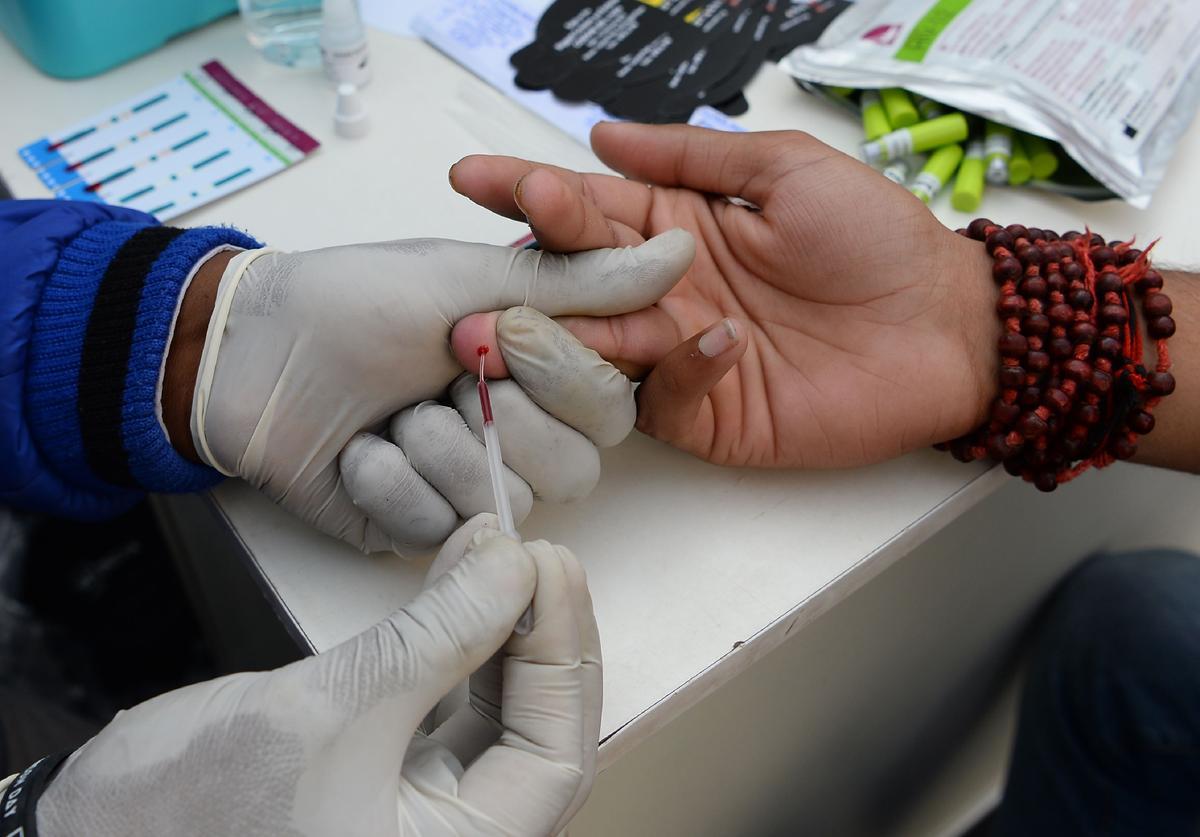
Marriage is one of the most meaningful commitments two people can make. While emotional compatibility, trust, and shared goals form the foundation of a successful relationship, physical health also plays an important role. Before beginning a new chapter together, many couples choose to undergo a marriage blood test as part of their premarital health screening.
A Marriage Blood Test in Dubai is not about questioning a relationship or creating unnecessary concern. Instead, it provides valuable medical information that helps couples understand their health, identify possible risks, and make informed decisions about their future family. In many countries, premarital blood screening is encouraged as a preventive healthcare measure because early detection of certain conditions can improve treatment outcomes and reduce complications later in life.
This guide explains why marriage blood testing matters, what it includes, its benefits, and how couples can prepare for the screening process.
What Is a Marriage Blood Test?
A marriage blood test is a group of laboratory tests performed before marriage to evaluate the health of both partners. These tests help identify inherited genetic disorders, blood compatibility issues, infectious diseases, and other medical conditions that could affect the couple or their future children.
The exact tests vary depending on healthcare guidelines, family history, and regional recommendations. Some countries require premarital screening before issuing a marriage certificate, while others simply recommend it as part of responsible family planning.
Rather than serving as a barrier to marriage, these tests provide useful medical information that allows couples to seek treatment, receive counseling, and plan for a healthier future.
Why Premarital Health Screening Is Important?
Many medical conditions develop silently without causing noticeable symptoms. A person may appear healthy while carrying an inherited disorder or an infectious disease that could affect a future spouse or child.
Premarital blood testing helps detect these conditions early. Knowing your health status before marriage enables better medical care, timely treatment, and informed reproductive planning.
Healthcare professionals often emphasize prevention because managing a condition early is usually easier than treating complications after symptoms develop.
Essential Tests Included in Premarital Blood Screening:
The exact testing package depends on medical advice and individual health history, but several laboratory tests are commonly recommended.
Complete Blood Count (CBC):
A Complete Blood Count evaluates red blood cells, white blood cells, hemoglobin, and platelets. This routine examination can detect anemia, infections, immune disorders, and other blood-related abnormalities.
Blood Group and Rh Factor:
Blood type testing identifies each partner's blood group and Rh factor. Although different blood groups generally do not prevent healthy pregnancies, Rh incompatibility can require medical monitoring during pregnancy. Early identification allows healthcare providers to take preventive measures when necessary.
Thalassemia Screening:
Thalassemia is an inherited blood disorder that affects hemoglobin production. If both partners carry the gene, there is a greater chance that their children may inherit the disease. Carrier screening helps couples understand genetic risks before starting a family.
Sickle Cell Disease Screening:
Sickle cell disease is another inherited blood disorder common in certain populations. Premarital screening identifies carriers and provides valuable information for family planning.
HIV Screening:
Early HIV detection benefits both partners by allowing prompt treatment, improving long-term health outcomes, and reducing transmission risk.
Hepatitis B and Hepatitis C Testing:
Hepatitis viruses can damage the liver for many years without obvious symptoms. Screening helps identify infections early and allows appropriate medical management.
Sexually Transmitted Infection (STI) Screening:
Testing for sexually transmitted infections supports early diagnosis and treatment while promoting healthier relationships and future pregnancies.
Major Benefits of Marriage Blood Testing:
Premarital health screening provides advantages that extend far beyond the wedding day.
Early Medical Intervention:
Detecting health conditions before symptoms appear allows doctors to recommend treatment, lifestyle changes, or ongoing monitoring before complications develop.
Better Family Planning:
Couples who understand their genetic health can make informed reproductive decisions with guidance from healthcare professionals and genetic counselors.
Healthier Pregnancy Outcomes:
Identifying blood compatibility issues and infectious diseases before pregnancy allows doctors to reduce potential complications through preventive care.
Greater Peace of Mind:
Knowing your medical status eliminates uncertainty. Whether results are normal or require additional attention, accurate information helps couples make confident decisions.
Stronger Communication Between Partners:
Discussing health openly encourages honesty, trust, and shared responsibility for future well-being.
Who Should Consider a Marriage Blood Test?
Although every couple can benefit from premarital screening, healthcare providers especially recommend testing for:
-
Couples planning to have children
-
Individuals with a family history of inherited diseases
-
Partners from regions where thalassemia or sickle cell disease is more common
-
Couples seeking preventive healthcare
-
Anyone who has never undergone comprehensive blood testing
Premarital screening is valuable regardless of age because many medical conditions remain undiagnosed for years.
Preparing for Premarital Blood Screening:
Preparation depends on the tests your healthcare provider requests.
Some blood tests require fasting, while others do not. Follow the laboratory's instructions carefully to ensure accurate results.
Before your appointment:
-
Carry identification if required.
-
Bring previous medical reports.
-
Inform your doctor about medications you currently take.
-
Discuss any chronic illnesses or allergies.
-
Share your family medical history honestly.
These details help healthcare providers recommend the most appropriate screening tests.
What Happens After the Results?
Receiving your laboratory report is only the first step. Schedule a follow-up consultation with your healthcare provider to understand the findings.
Normal results provide reassurance, while abnormal findings often require additional evaluation rather than immediate concern. Many medical conditions identified during premarital screening can be treated, managed, or monitored successfully.
If inherited disorders are detected, genetic counseling may help couples understand potential risks for future children and discuss available reproductive options.
Common Misunderstandings About Marriage Blood Tests:
Several myths continue to discourage couples from seeking premarital screening.
Some believe blood tests determine whether marriage should proceed. In reality, healthcare professionals provide medical information rather than personal recommendations about relationships.
Others assume only unhealthy individuals require testing. However, many inherited disorders and viral infections remain symptom-free for years, making preventive screening valuable even for healthy people.
Another misconception is that different blood groups prevent successful pregnancies. Modern medicine effectively manages blood compatibility issues when identified early.
Frequently Asked Questions:
Is a marriage blood test mandatory?
The answer depends on local laws and healthcare policies. Some countries require premarital screening before marriage registration, while others recommend it voluntarily.
How long does the testing process take?
Blood collection usually takes only a few minutes. Laboratory results may be available within one to several working days depending on the specific tests performed.
Can a marriage blood test detect infertility?
No. Routine premarital blood screening focuses on blood health, inherited disorders, infectious diseases, and overall medical evaluation. Fertility testing requires specialized reproductive assessments.
Are the results confidential?
Yes. Medical professionals follow privacy regulations and maintain confidentiality regarding patient health information.
Should both partners undergo testing?
Yes. Testing both individuals provides the most accurate assessment of shared genetic risks, blood compatibility, and infectious disease status.
Building a Healthy Future Together:
Marriage is not only an emotional partnership but also a shared commitment to health and well-being. Preventive healthcare before marriage demonstrates responsibility and helps couples prepare for the future with greater confidence.
Premarital blood testing supports informed decision-making, promotes early treatment when necessary, and provides valuable insights into genetic health, infectious diseases, and overall wellness. These benefits extend beyond the couple themselves, contributing to healthier pregnancies and improved outcomes for future children.
Final Thoughts:
A marriage blood Lab tests is one of the simplest yet most valuable health screenings couples can complete before marriage. It offers an opportunity to identify hidden medical conditions, understand inherited health risks, and receive professional guidance before starting a family.
Rather than viewing premarital blood screening as a requirement or obstacle, couples should see it as an investment in lifelong health. By taking this proactive step, partners demonstrate care for one another, strengthen communication, and build a solid foundation for a healthier future together. Consulting a qualified healthcare provider before marriage ensures that both individuals receive appropriate screening based on their personal medical history and family background, allowing them to enter married life with confidence, awareness, and peace of mind.

 English
 Arabic
 Spanish
 Portuguese
 Deutsch
 Turkish
 Dutch
Dutch
 Italiano
 Russian
 Romaian
 Portuguese (Brazil)
 Greek
Greek