


Laser Tattoo Removal: How Light Breaks Ink Apart Beneath Your Skin
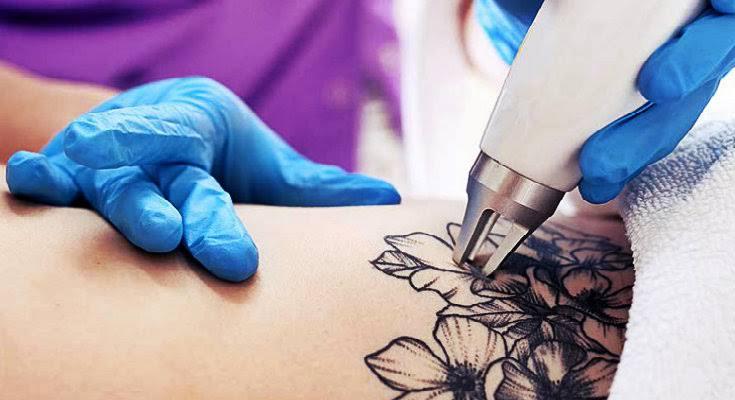
Modern cosmetic technology has transformed the way unwanted tattoos are treated, and procedures like Laser Tattoo Removal Riyadh have become increasingly popular for individuals seeking safe and effective ink removal. Unlike older methods that relied on abrasive techniques, laser removal works by targeting ink particles beneath the skin using highly concentrated light energy. This process breaks the ink into smaller fragments that the body can naturally eliminate over time. Understanding how light interacts with pigment at a microscopic level helps explain why laser tattoo removal is considered the most advanced and precise method available today.
The Science of Laser Tattoo Removal:
Laser tattoo removal is based on a principle called selective photothermolysis, where specific wavelengths of light target pigment particles without damaging surrounding skin. When the laser beam penetrates the skin, it is absorbed by tattoo ink, causing it to heat up and fragment. Key scientific principles include:
- Specific wavelengths targeting different ink colors
- Absorption of light energy by pigment particles
- Rapid heating causing ink fragmentation
- Minimal impact on surrounding tissue
- Natural immune system response to remove particles
This precise interaction between light and pigment is what makes laser treatment both effective and safe when performed correctly.
How Ink Breaks Apart Under the Skin:
Tattoo ink is deposited deep within the dermis, where it remains stable and visible. Laser energy works by breaking these ink particles into smaller fragments that the body can process. The process includes:
- Laser pulses penetrating the dermal layer
- Ink particles absorbing light energy
- Rapid expansion causing fragmentation of pigment
- Immune system identifying broken particles as waste
- Gradual removal through lymphatic pathways
This slow biological process is why multiple sessions are required for complete or significant fading.
Types of Lasers Used in Tattoo Removal:
Different laser technologies are used depending on ink color, depth, and skin type. Each type is designed to target specific pigments more effectively. Common laser systems include:
- Q-switched lasers for traditional tattoo removal
- Pico-second lasers for faster ink fragmentation
- Nd:YAG lasers for deeper and darker pigments
- Ruby lasers for green and blue ink tones
- Alexandrite lasers for specific color ranges
Advanced systems used in treatments like Laser Tattoo Removal Riyadh allow practitioners to tailor settings for individual tattoos, improving safety and results.
Factors That Affect Treatment Success:
Not all tattoos respond the same way to laser treatment, as several variables influence outcomes. Understanding these factors helps set realistic expectations. Key influences include:
- Ink color and composition
- Depth and density of tattoo pigment
- Age of the tattoo (older tattoos fade faster)
- Skin type and sensitivity
- Location of the tattoo on the body
Black ink typically responds the fastest, while lighter colors like yellow or green may require more sessions.
What Happens During a Laser Session:
A typical laser tattoo removal session is quick but involves precise targeting of the tattooed area. The process is carefully controlled to minimize discomfort and protect surrounding skin. A standard session includes:
- Cleaning and preparing the skin
- Application of protective eyewear
- Delivery of laser pulses to the tattoo area
- Sensation similar to snapping or heat pulses
- Application of cooling or soothing treatment afterward
Most sessions last only a few minutes depending on tattoo size, making it a convenient outpatient procedure.
Pain, Sensation, and Comfort Levels:
While laser tattoo removal is generally well tolerated, patients may experience mild discomfort during treatment. The sensation varies depending on individual pain tolerance and tattoo location. Common experiences include:
- Mild stinging or snapping sensation
- Temporary warmth in treated area
- Slight redness or swelling after treatment
- Sensitivity lasting a few hours to days
- Improved comfort with numbing creams or cooling devices
Clinics offering Laser Tattoo Removal Riyadh often use cooling systems or topical anesthesia to enhance patient comfort.
Healing Process and Skin Response:
After each session, the skin undergoes a natural healing process as the body begins clearing fragmented ink particles. Proper aftercare is essential for optimal results. Healing typically involves:
- Redness and mild swelling immediately after treatment
- Formation of light scabbing or crusting in some cases
- Gradual fading of tattoo over several weeks
- Increased immune activity in treated area
- Full skin recovery before next session
Patients are usually advised to avoid sun exposure and follow strict aftercare instructions.
Number of Sessions Required for Results:
Tattoo removal is a gradual process, and multiple sessions are needed to achieve significant fading or complete removal. The number of sessions depends on various factors, including:
- Tattoo size and complexity
- Ink color variety and density
- Depth of ink placement
- Skin response to laser treatment
- Overall health and immune system efficiency
Most tattoos require several sessions spaced weeks apart to allow proper healing and ink clearance.
Risks and Considerations:
While laser tattoo removal is considered safe, it is important to understand potential side effects and limitations. Possible considerations include:
- Temporary redness or swelling
- Risk of pigmentation changes (lightening or darkening)
- Mild blistering or scabbing in some cases
- Incomplete removal of certain colors
- Need for multiple sessions over time
Choosing experienced professionals reduces risks and improves treatment outcomes significantly.
Aftercare Tips for Best Results:
Proper aftercare plays a crucial role in ensuring smooth healing and effective ink removal. Patients are typically advised to follow these guidelines:
- Keep treated area clean and dry
- Avoid direct sun exposure
- Do not pick or scratch healing skin
- Apply recommended healing ointments
- Stay hydrated to support lymphatic clearance
These steps help the body efficiently eliminate broken ink particles and reduce complications.
Final Thoughts:
Laser tattoo removal is a scientifically advanced process that uses focused light energy to break ink into tiny particles that the body naturally eliminates over time. While results vary depending on tattoo characteristics and individual response, modern technology has made the process safer and more effective than ever. When performed under professional care, treatments such as Laser Tattoo Removal Riyadh offer a reliable solution for those seeking to fade or completely remove unwanted tattoos, restoring clearer skin through controlled and gradual healing.

 English
 Arabic
 French
 Spanish
 Portuguese
 Deutsch
 Dutch
Dutch
 Italiano
 Russian
 Romaian
 Portuguese (Brazil)
 Greek
Greek