


Lab Grown Diamond Engagement Ring vs Natural Diamond: Which Is Better?
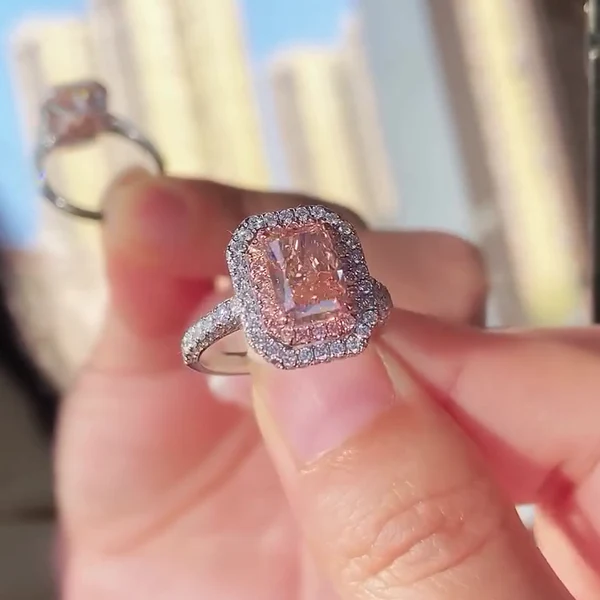
Buying an engagement ring is one of the biggest decisions for many couples. Today, buyers have more choices than ever before, and one of the most discussed options is the lab grown diamond engagement ring. While natural diamonds have been popular for generations, lab-created diamonds have become a practical alternative for people who want excellent quality at a lower price.
Both options look almost identical, but they differ in how they are created, their cost, environmental impact, and long-term value. Understanding these differences can help you choose a ring that matches your expectations, budget, and lifestyle.
Know About Lab Grown Diamond Engagement Ring
A lab grown diamond engagement ring features a diamond that is created inside a laboratory using advanced technology that copies the natural diamond-growing process. These diamonds are made from carbon, just like mined diamonds, and they have the same physical, chemical, and optical properties.
The main difference is where they come from. Natural diamonds develop deep underground over millions of years, while lab-grown diamonds are produced within a few weeks under controlled conditions.
Because they are real diamonds, they can be graded by recognized gemological laboratories for cut, color, clarity, and carat weight.
Know About Lab Grown Diamond Engagement Ring
What Is a Natural Diamond?
Natural diamonds are formed beneath the Earth's surface under high pressure and heat. After they are mined, they are cut and polished before being used in jewelry.
Many people appreciate natural diamonds because of their geological origin and rarity. Their formation process makes each stone part of Earth's history, which some buyers find meaningful.
However, mining, transportation, and limited supply generally make natural diamonds more expensive than laboratory-grown alternatives.
Appearance: Can You Tell the Difference?
One of the biggest questions buyers ask is whether people can tell the difference between the two.
The answer is no not with the naked eye.
Both diamonds have the same brilliance, hardness, and appearance. Even experienced jewelers usually require specialized equipment to identify whether a diamond is laboratory-grown or mined.
This means buyers choosing lab grown diamond engagement rings receive the same visual beauty without paying the premium often associated with natural diamonds.
Price Comparison
Price is one of the strongest reasons people choose laboratory-created diamonds.
A lab-grown diamond typically costs significantly less than a natural diamond with similar specifications.
For example, if two diamonds have the same cut, color, clarity, and carat weight, the lab-grown option may cost 30% to 60% less.
The savings allow buyers to:
- Choose a larger diamond
- Select a higher clarity grade
- Upgrade the ring setting
- Stay within their planned budget
For many couples, affordability makes engagement rings lab grown diamonds an attractive choice.
Quality and Certification
Quality depends on grading rather than origin.
Both natural and laboratory-grown diamonds are evaluated using the Four Cs:
- Cut
- Color
- Clarity
- Carat Weight
Trusted grading organizations inspect both types of diamonds using the same standards.
When shopping, always request a grading certificate so you know exactly what you are purchasing.
Whether you're buying lab grown diamonds for engagement rings or natural diamonds, certification provides confidence in quality.
Durability
Diamonds are known for their strength, and laboratory-grown diamonds are no exception.
Both natural and lab-grown diamonds score 10 on the Mohs Hardness Scale, making them suitable for daily wear.
They resist scratching, maintain their appearance, and can last for generations when properly cared for.
In terms of durability, there is no meaningful difference between the two.
Environmental Impact
Mining diamonds requires heavy machinery, land excavation, and significant energy.
Laboratory-grown diamonds reduce the need for mining, although they still require electricity during production.
Many buyers who prefer a lower environmental impact consider engagement lab grown diamond rings a responsible option.
Choosing a diamond produced using renewable energy can further reduce environmental concerns.
Ethical Considerations
Another reason many buyers consider laboratory-grown diamonds is transparency.
Since these diamonds are created in controlled facilities, buyers often feel more confident about their origin.
Natural diamond suppliers have made improvements in ethical sourcing through certification programs, but some customers still prefer the traceability offered by lab-grown diamonds.
Ultimately, ethical priorities differ from person to person.
Design Choices
Whether you prefer a classic solitaire, halo setting, three-stone ring, or vintage-inspired design, both natural and laboratory-grown diamonds can be crafted into beautiful rings.
Design options are nearly unlimited.
Many jewelry brands also offer custom settings that allow buyers to personalize every detail.
Some collections from brands like Antiquecut include carefully crafted settings that pair well with laboratory-grown diamonds.
Long-Term Value
One area where natural diamonds often have an advantage is resale value.
Natural diamonds generally retain more market value because of their limited supply and established resale market.
Lab-grown diamonds have become more affordable over time, which has influenced resale prices.
However, many buyers are purchasing engagement rings for personal meaning rather than future resale.
If your priority is enjoying the ring rather than selling it later, the lower purchase price of lab grown diamond rings may outweigh resale considerations.
Maintenance
Both types of diamonds require similar care.
Simple maintenance includes:
- Cleaning regularly with mild soap and warm water
- Using a soft brush to remove dirt
- Avoiding harsh chemicals
- Having the setting inspected by a jeweler once or twice a year
Proper care helps keep any engagement ring looking its best for many years.
Who Should Choose a Lab-Grown Diamond?
A laboratory-grown diamond may be the better option if you:
- Want a larger diamond within your budget
- Prefer transparent sourcing
- Like having more design flexibility
- Want excellent quality at a lower price
- Value affordability without sacrificing appearance
These reasons explain why many couples now consider lab diamond engagement rings before purchasing a traditional mined diamond.
Who Should Choose a Natural Diamond?
A natural diamond may be the right choice if you:
- Value geological rarity
- Appreciate the history behind naturally formed diamonds
- Expect stronger resale potential
- Prefer a traditionally sourced gemstone
The decision depends on your personal priorities rather than one option being universally better.
Common Myths About Lab-Grown Diamonds
Myth 1: They Are Fake
This is incorrect.
Lab-grown diamonds are genuine diamonds, not cubic zirconia or moissanite.
Myth 2: They Don't Last
Lab-grown diamonds are just as durable as natural diamonds and are suitable for everyday wear.
Myth 3: They Look Different
Without specialized equipment, it is nearly impossible to distinguish between the two.
Myth 4: They Are Lower Quality
Quality depends on the diamond's grading, not whether it was mined or laboratory-grown.
Which One Offers Better Value?
If value means getting the highest quality diamond for your budget, laboratory-grown diamonds are difficult to ignore.
Lower prices allow buyers to select better specifications while spending less overall.
Natural diamonds, on the other hand, may appeal to buyers who place greater importance on rarity and long-term market demand.
Neither option is automatically better. The right choice depends on what matters most to you.
Final Thoughts
Choosing between a lab grown diamond engagement ring and a natural diamond comes down to your priorities.
If your focus is quality, appearance, durability, and price, laboratory-grown diamonds offer excellent value. They provide the same physical characteristics as mined diamonds while making higher-quality stones more accessible.
If rarity, natural origin, and potential resale value are important, a natural diamond may be the better fit.
Before making your decision, compare certified diamonds, review grading reports, and choose a ring that reflects your preferences and budget. Whether you select lab grown diamonds or a natural alternative, the most meaningful engagement ring is the one that represents your commitment and your story.

 English
 Arabic
 French
 Spanish
 Portuguese
 Deutsch
 Turkish
 Dutch
Dutch
 Italiano
 Romaian
 Portuguese (Brazil)
 Greek
Greek