


When Should You Consider Getting a Full Blood Test?
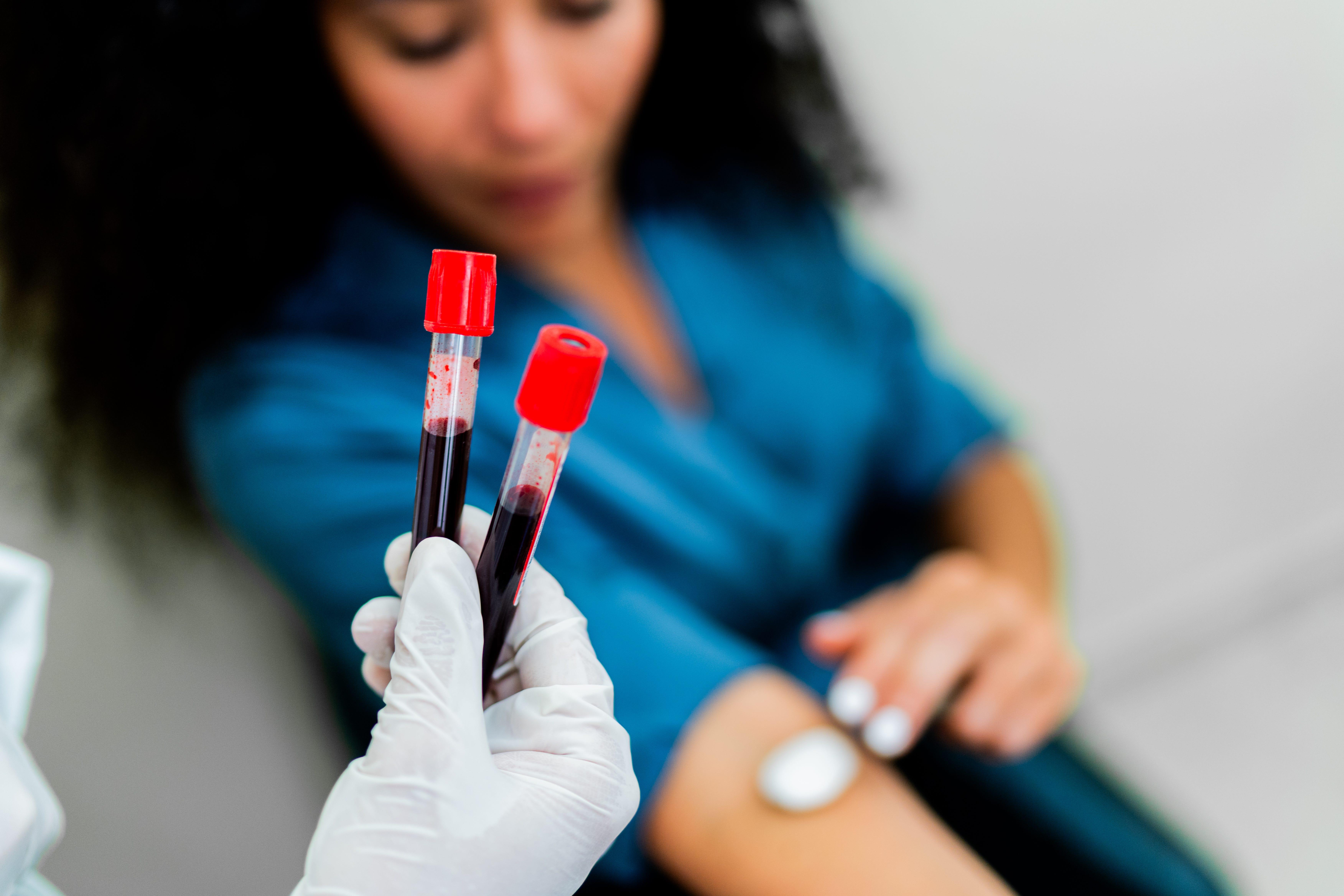
Many health conditions develop quietly. Long before noticeable symptoms emerge, subtle changes can occur within your body that only a blood test can reveal. A full blood test serves as one of the most effective diagnostic and preventive healthcare tools available today. It provides valuable information about your blood cells, organ function, nutrient levels, metabolic health, and overall wellness.
While many people associate Full Blood Test in Dubai with illness, routine blood screening is equally important for healthy individuals. Understanding when to schedule a comprehensive blood test can help detect potential issues early, improve treatment outcomes, and support long-term health management.
This guide explores the situations, symptoms, and life stages when getting a full blood test is especially beneficial.
What Is a Full Blood Test?
A full blood test is a comprehensive laboratory assessment that examines multiple health markers from a blood sample. Depending on the purpose of the screening, it may include:
-
Complete Blood Count (CBC)
-
Blood glucose testing
-
Cholesterol profile
-
Liver function tests
-
Kidney function tests
-
Iron studies
-
Vitamin D levels
-
Vitamin B12 assessment
-
Thyroid function tests
-
Inflammatory markers
Together, these biomarkers provide a detailed overview of how your body is functioning internally.
The Preventive Health Perspective: Why Timing Matters
One of the biggest advantages of routine blood testing is early detection. Many common conditions can develop without obvious symptoms, including:
-
Type 2 diabetes
-
High cholesterol
-
Iron deficiency anemia
-
Vitamin deficiencies
-
Thyroid disorders
-
Liver disease
-
Kidney dysfunction
By identifying abnormalities early, healthcare providers can recommend lifestyle changes or treatments before complications occur.
Signs That Indicate You May Need a Full Blood Test:
Certain symptoms should never be ignored, especially when they persist without a clear explanation.
Persistent Fatigue and Low Energy:
Feeling tired after a busy day is normal. However, ongoing fatigue despite adequate rest may signal underlying health concerns.
Common causes detected through blood testing include:
-
Iron deficiency
-
Vitamin B12 deficiency
-
Vitamin D deficiency
-
Thyroid imbalance
-
Anemia
-
Chronic inflammation
A comprehensive blood analysis can help pinpoint the root cause rather than simply addressing the symptom.
Unexplained Weight Changes:
Sudden weight gain or weight loss without significant changes in diet or activity levels may indicate metabolic or hormonal imbalances.
Blood tests can help evaluate:
-
Thyroid hormone levels
-
Blood sugar control
-
Liver function
-
Nutritional deficiencies
Understanding these markers allows for a more targeted approach to treatment.
Frequent Illness or Infections:
If you seem to catch every cold or infection circulating around you, your immune system may need evaluation.
A Complete Blood Count can assess white blood cell levels and identify potential immune system concerns. Nutrient deficiencies that weaken immunity may also become apparent through blood screening.
Dizziness, Weakness, or Shortness of Breath:
These symptoms are often associated with reduced oxygen delivery throughout the body.
Potential causes include:
-
Low hemoglobin
-
Iron deficiency anemia
-
Vitamin deficiencies
-
Cardiovascular concerns
Blood testing can help determine whether blood cell abnormalities are contributing to these symptoms.
Important Life Stages That Warrant Blood Testing:
Your health needs evolve throughout life. Certain stages make routine blood testing particularly valuable.
During Adulthood Health Checkups:
Even healthy adults benefit from periodic blood work. Annual or biennial testing can establish baseline values and monitor changes over time.
Routine health screenings often include:
-
Cholesterol testing
-
Blood glucose monitoring
-
Kidney function assessment
-
Liver function evaluation
Tracking these markers supports preventive healthcare and long-term wellness planning.
During Pregnancy:
Pregnancy places increased demands on the body and requires careful monitoring of both maternal and fetal health.
Blood tests commonly assess:
-
Iron levels
-
Hemoglobin
-
Blood sugar
-
Infection screening
-
Nutritional status
Regular monitoring helps ensure a healthy pregnancy and supports early intervention when necessary.
As You Age:
The risk of chronic disease increases with age. Regular blood testing becomes increasingly important after age 40 and remains essential throughout later adulthood.
Healthcare providers may monitor:
-
Cardiovascular risk factors
-
Diabetes markers
-
Kidney function
-
Liver health
-
Hormone levels
-
Inflammatory markers
Early detection can significantly improve health outcomes and quality of life.
When Family History Makes Blood Testing Essential?
Genetics play a major role in overall health. Individuals with a family history of certain conditions should consider more frequent blood screening.
These conditions include:
Heart Disease:
A lipid profile can identify elevated cholesterol and triglyceride levels before cardiovascular symptoms appear.
Diabetes:
Monitoring fasting blood glucose and HbA1c levels helps detect insulin resistance and prediabetes at an early stage.
Thyroid Disorders:
Blood tests can evaluate thyroid hormone production and identify dysfunction before symptoms become severe.
Autoimmune Conditions:
Inflammatory markers and specialized blood tests may reveal early signs of autoimmune disease in high-risk individuals.
Lifestyle Factors That Justify Regular Blood Work:
Modern lifestyles can affect health in ways that are not always immediately obvious.
High-Stress Environments:
Chronic stress may contribute to:
-
Hormonal imbalances
-
Elevated blood sugar
-
Increased inflammation
-
Poor immune function
Routine blood testing can provide valuable insights into how stress is affecting overall health.
Restrictive Diets:
Individuals following vegan, vegetarian, ketogenic, or other specialized diets should periodically assess nutritional status.
Blood testing can monitor:
-
Iron stores
-
Vitamin B12
-
Vitamin D
-
Folate
-
Electrolyte balance
This ensures nutritional adequacy while maintaining dietary preferences.
Intensive Exercise Programs:
Athletes and highly active individuals may benefit from monitoring performance-related biomarkers.
Important markers include:
-
Iron levels
-
Red blood cell count
-
Electrolytes
-
Recovery indicators
-
Inflammatory markers
These measurements help optimize training and reduce the risk of overtraining.
Monitoring Existing Health Conditions:
For individuals already diagnosed with medical conditions, regular blood testing is often a critical part of treatment management.
Diabetes Management:
Blood glucose and HbA1c measurements help evaluate how effectively blood sugar is being controlled.
High Cholesterol:
Regular lipid panels assess the effectiveness of dietary changes, exercise programs, or medications.
Thyroid Disorders:
Thyroid hormone testing helps ensure medication dosages remain appropriate.
Kidney and Liver Conditions:
Ongoing monitoring allows healthcare providers to track disease progression and adjust treatment strategies when necessary.
How Often Should You Get a Full Blood Test?
The ideal frequency depends on several factors:
-
Age
-
Medical history
-
Family history
-
Lifestyle habits
-
Existing health conditions
General recommendations include:
-
Healthy adults: every one to two years
-
Adults over 40: annually
-
Individuals with chronic conditions: as recommended by their healthcare provider
-
High-risk individuals: more frequent monitoring may be necessary
Personalized guidance from a healthcare professional is always the best approach.
What Can a Full Blood Test Reveal?
Many people are surprised by the range of information available through a single blood sample.
A comprehensive blood panel may uncover:
-
Nutritional deficiencies
-
High cholesterol
-
Prediabetes
-
Diabetes
-
Anemia
-
Infections
-
Chronic inflammation
-
Liver abnormalities
-
Kidney dysfunction
-
Hormonal imbalances
The ability to identify these issues before symptoms worsen makes routine blood testing one of the most valuable preventive healthcare tools available.
Final Thoughts:
Knowing when to consider a full blood Lab tests can make a significant difference in your overall health journey. Whether you are experiencing unexplained symptoms, entering a new life stage, managing a chronic condition, or simply prioritizing preventive healthcare, comprehensive blood screening provides valuable insights into your body's internal health.
Rather than waiting for symptoms to become severe, regular blood tests help identify risks early, guide treatment decisions, and support proactive wellness. In today's healthcare landscape, a full blood test is not just a diagnostic tool—it is an investment in long-term health, disease prevention, and better quality of life.

 English
 Arabic
 French
 Spanish
 Portuguese
 Deutsch
 Turkish
 Italiano
 Russian
 Romaian
 Portuguese (Brazil)
 Greek
Greek