


What Influences the Value of Green-Colored Diamonds?
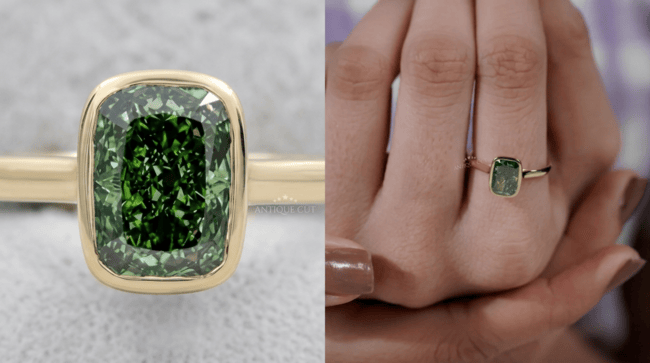
Green diamond engagement rings have become a popular choice for people who want something different from traditional white diamonds. Their distinctive color, rarity, and growing presence in fine jewelry have made them highly desirable among collectors and buyers alike. However, not all green diamonds hold the same value. Several factors determine how much a green diamond is worth, whether it is naturally formed or created through advanced laboratory processes.
Understanding these factors can help buyers make informed decisions when comparing different stones. From color quality to clarity and cut, every characteristic contributes to the final value of a diamond. This guide explores the key elements that influence the price and desirability of green-colored diamonds.
Understanding Green Diamonds
Green diamonds belong to the family of colored diamonds. Their green appearance can result from natural geological processes or controlled laboratory conditions. The shade may range from light mint tones to deeper forest-like colors.
Because green diamonds are less common than many other colored diamonds, they attract attention from individuals looking for distinctive jewelry. The market for green diamond engagement rings continues to grow as more buyers seek alternatives to traditional colorless stones. If you are starting your search, you can explore more green diamond engagement rings collections that combine classic inspiration with modern design. Antiquecut offers options that feel both meaningful and current.
Color Is the Most Important Factor
When evaluating green diamonds, color is usually the first characteristic experts consider. The intensity and quality of the green hue significantly affect value.
Color Intensity
Diamonds with stronger and more evenly distributed green color generally command higher prices. Color intensity is often categorized into levels such as:
- Faint Green
- Very Light Green
- Light Green
- Fancy Light Green
- Fancy Green
- Fancy Intense Green
- Fancy Vivid Green
- Fancy Deep Green
Diamonds displaying richer and more saturated green tones are typically more valuable than those with pale coloration.
Color Distribution
Uniform color distribution across the stone is another important factor. Diamonds with consistent color throughout the gem often receive greater market appreciation than stones showing uneven patches or zoning.
Secondary Colors
Some green diamonds display additional hues such as yellow, blue, gray, or brown. These secondary colors can either enhance or reduce value depending on how they interact with the primary green shade.
For example, a pure green diamond may be valued differently than a green diamond with noticeable brown undertones. Buyers often prefer vibrant green stones with minimal color interference.
Natural vs. Laboratory-Grown Origin
One of the biggest influences on value is whether the diamond is naturally formed or laboratory-grown.
Natural green diamonds are extremely rare because their color develops through unique geological conditions over millions of years. Their scarcity often results in significantly higher prices.
A lab grown green diamond ring offers an alternative that provides similar visual appeal while being more accessible in terms of cost. Laboratory-grown diamonds possess the same physical and chemical properties as mined diamonds, but their availability typically makes them more affordable.
The choice between natural and laboratory-grown diamonds often depends on personal preferences, budget, and long-term goals.
Rarity and Market Demand
Rarity has always played a major role in diamond pricing. Green diamonds are among the less common colored diamonds available in the jewelry market.
Supply Levels
Natural green diamonds are found in limited quantities compared to white diamonds. This restricted supply contributes to their higher value.
Growing Consumer Interest
As consumer preferences evolve, demand for unique colored diamonds continues to rise. Increased interest in green diamond engagement rings has influenced market pricing and expanded their presence in luxury jewelry collections.
When demand increases while supply remains limited, prices generally follow the same upward trend.
Clarity and Its Effect on Value
Clarity refers to the presence of internal inclusions and external blemishes within a diamond.
Higher Clarity Grades
Diamonds with fewer visible imperfections often receive higher clarity grades and greater market value.
Common clarity categories include:
- Flawless (FL)
- Internally Flawless (IF)
- Very Very Slightly Included (VVS)
- Very Slightly Included (VS)
- Slightly Included (SI)
- Included (I)
A green diamond with strong color and excellent clarity is often considered more desirable than a stone with noticeable inclusions.
Visibility Matters
In some cases, inclusions may be less noticeable because the color naturally masks minor imperfections. Nevertheless, clarity remains an important consideration when determining overall value.
The Importance of Cut Quality
The cut of a diamond affects both its appearance and market value.
A well-cut green diamond can maximize color visibility while enhancing light performance. Poor cutting may result in uneven color presentation or reduced visual appeal.
Popular Shapes
Several diamond shapes are commonly used for green-colored diamonds:
- Oval
- Cushion
- Emerald
- Radiant
- Pear
- Round
Each shape interacts differently with light and color. Certain cuts may enhance the appearance of green tones more effectively than others.
Precision and Symmetry
High-quality craftsmanship contributes to stronger value. Diamonds with excellent symmetry and proportions generally attract more attention in the marketplace.
Carat Weight and Size
Like all diamonds, carat weight plays a significant role in determining value.
Larger green diamonds are considerably rarer than smaller stones. As size increases, finding a diamond with attractive color and clarity becomes more difficult.
Because of this rarity, prices often rise dramatically as carat weight increases.
Balancing Size and Quality
Many buyers focus on achieving the best balance between size, color intensity, and clarity. A slightly smaller diamond with exceptional color may be more valuable than a larger stone with weaker color characteristics.
Certification and Grading Reports
Professional grading reports provide important information about a diamond's quality and authenticity.
Independent laboratories evaluate characteristics such as:
- Color
- Clarity
- Cut
- Carat Weight
- Origin
A certified green diamond typically inspires greater buyer confidence because its attributes have been independently verified.
Why Certification Matters
Certified diamonds often maintain stronger resale appeal and market credibility. Buyers can compare stones more accurately when grading information is available.
Treatment Disclosure
Some green diamonds receive treatments designed to alter or enhance color.
Treatments can include:
- Irradiation
- Heat processing
- Surface coatings
While treated diamonds may offer attractive appearance and lower prices, they generally hold different market values compared to untreated natural stones.
Transparency regarding treatment history is essential during the purchasing process.
Jewelry Design and Setting Influence
The overall presentation of a diamond can also affect perceived value.
Certain metal choices complement green diamonds particularly well.
Popular Metal Options
- White Gold
- Yellow Gold
- Rose Gold
- Platinum
The setting style can influence how the green color appears under different lighting conditions.
A carefully designed green diamond engagement ring may showcase the stone more effectively and enhance its overall appeal.
Brand Reputation and Craftsmanship
Jewelry brands often contribute additional value through craftsmanship, quality control, and customer trust.
Established names known for precision manufacturing and carefully selected diamonds may command premium pricing.
Collections from Antiquecut, for example, showcase how thoughtfully designed colored diamond jewelry can highlight the distinctive beauty of green diamonds while maintaining high standards of craftsmanship.
Investment Considerations
Some buyers view colored diamonds as long-term assets. While market performance varies, several factors influence investment potential.
Factors Supporting Long-Term Value
- Strong color intensity
- High clarity grades
- Larger carat sizes
- Natural origin
- Reliable certification
- Limited market availability
Although future market conditions cannot be guaranteed, diamonds possessing these characteristics often attract greater collector interest.
Consumer Preferences Continue to Shape Value
The jewelry industry continually evolves alongside changing consumer tastes.
Modern buyers increasingly seek individuality in fine jewelry. Colored diamonds offer opportunities to express personal style while moving beyond traditional white diamond options.
This growing interest has contributed to rising awareness of green diamonds across global markets.
How Buyers Can Compare Green Diamonds
When comparing different stones, consider the following checklist:
Evaluate Color First
Assess:
- Intensity
- Purity
- Consistency
- Secondary hues
Review Clarity
Check whether inclusions are visible without magnification and determine how they affect overall appearance.
Examine Cut Quality
Look for excellent proportions, symmetry, and visual balance.
Verify Certification
Always review grading reports from reputable laboratories whenever possible.
Consider Budget Goals
Decide whether a natural diamond or a lab grown green diamond ring aligns better with your priorities and financial plans.
Conclusion
The value of green-colored diamonds depends on a combination of factors including color intensity, rarity, clarity, cut quality, carat weight, certification, and market demand. While natural green diamonds remain among the rarest gems available, laboratory-grown alternatives have expanded access to these distinctive stones for a wider range of buyers.
Whether selecting a green diamond engagement ring for a special occasion or exploring colored diamonds for personal collection, understanding the characteristics that influence value can help guide a more confident purchasing decision. By focusing on quality, authenticity, and overall appearance, buyers can choose a green diamond that reflects both their preferences and long-term expectations.

 English
 Arabic
 French
 Spanish
 Deutsch
 Turkish
 Dutch
Dutch
 Italiano
 Russian
 Romaian
 Portuguese (Brazil)
 Greek
Greek