


Pregnancy Blood Test for First-Time Mothers: A Beginner’s Guide
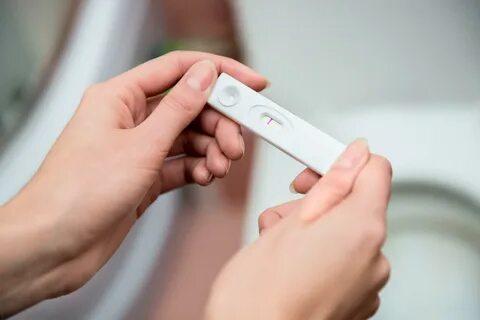
For many first-time mothers, early pregnancy brings a mix of excitement, confusion, and countless questions. One of the first medical steps after suspecting pregnancy is taking a pregnancy blood test, which provides accurate confirmation by measuring pregnancy hormones in the bloodstream.
Unlike home urine tests, blood tests offer earlier detection and more detailed information about early Pregnancy Blood Test Dubai. However, if you are experiencing this for the first time, the process, medical terms, and results can feel unfamiliar.
This beginner-friendly guide breaks everything down into simple explanations so you understand what the test is, how it works, what to expect, and how to interpret your results with confidence.
Why First-Time Mothers Are Often Advised to Take a Blood Test?
First-time mothers usually rely on early symptoms like a missed period, nausea, fatigue, or breast tenderness to suspect pregnancy. While these signs can be strong indicators, they are not medically definitive.
A pregnancy blood test is often recommended because it:
-
Detects pregnancy earlier than most urine tests
-
Measures exact levels of human chorionic gonadotropin (hCG)
-
Provides clinical confirmation of pregnancy
-
Helps guide early prenatal care decisions
Since hCG appears in the bloodstream shortly after implantation, blood testing is one of the most reliable ways to confirm pregnancy in its earliest stages.
Understanding hCG: The Pregnancy Hormone Explained Simply
hCG, or human chorionic gonadotropin, is the hormone that confirms pregnancy. It is produced after a fertilized egg attaches to the uterus.
For first-time mothers, it helps to think of hCG as a “pregnancy signal” sent into the blood. As pregnancy develops, this hormone increases rapidly, often doubling every 48 to 72 hours during early stages.
Blood tests work by detecting and measuring this hormone, making them highly accurate for early pregnancy detection and monitoring.
Types of Pregnancy Blood Tests You May Encounter:
Understanding the difference between test types helps reduce confusion when receiving results.
Qualitative hCG Blood Test:
This is the simplest form of pregnancy blood test.
It answers one question:
Are you pregnant or not?
Results are shown as:
-
Positive
-
Negative
It confirms pregnancy but does not provide hormone levels.
Quantitative hCG Blood Test (Beta hCG Test):
This test measures the exact amount of hCG in the blood, reported in mIU/mL.
Doctors use it to:
-
Confirm early pregnancy
-
Track hormone progression
-
Assess pregnancy health
-
Monitor fertility treatments
-
Identify potential complications
For first-time mothers, this test may seem technical, but it provides valuable insight into early pregnancy development.
When First-Time Mothers Should Take the Test?
Timing plays a major role in accuracy and emotional clarity.
The best time to take a pregnancy blood test is:
-
After a missed menstrual period
-
Around 10–14 days after ovulation
-
When early pregnancy symptoms persist
Testing too early may lead to low hCG levels that are not yet detectable, even if pregnancy has begun.
Waiting until after a missed period improves reliability significantly.
What Happens During Your First Pregnancy Blood Test?
For first-time mothers, the procedure is simple, quick, and minimally uncomfortable.
At the clinic or lab, you may be asked about:
-
Last menstrual period
-
Pregnancy symptoms
-
Medical history
-
Medications or supplements
This helps healthcare providers interpret results accurately.
Blood Sample Collection:
A healthcare professional will:
-
Clean your arm with antiseptic
-
Use a tourniquet to locate a vein
-
Insert a small sterile needle
-
Collect a small blood sample
Most people describe it as a quick pinch that lasts only a few seconds.
Laboratory Testing:
The blood sample is analyzed for hCG levels using sensitive medical equipment designed for early pregnancy detection.
Receiving Results:
Results are usually available within a few hours to 48 hours depending on the lab.
How to Understand Your Results as a Beginner?
Interpreting your first pregnancy blood test can feel overwhelming, but it becomes easier when broken down simply.
Positive Result:
A positive result means hCG is present in your blood, confirming pregnancy.
Next steps may include:
-
Scheduling a prenatal appointment
-
Taking follow-up blood tests
-
Planning an early ultrasound
-
Starting prenatal vitamins
This marks the beginning of your pregnancy care journey.
Negative Result:
A negative result means no detectable hCG was found.
Possible reasons include:
-
Not pregnant
-
Testing too early
-
Late ovulation
-
Irregular cycle timing
If symptoms continue, doctors often suggest retesting after a few days.
Low or Borderline hCG Levels:
Sometimes results fall into a low range. This does not always mean a problem.
Doctors may recommend:
-
Repeat testing after 48–72 hours
-
Monitoring hCG trends
-
Additional evaluation if needed
In early pregnancy, patterns matter more than single values.
Common Early Pregnancy Symptoms First-Time Mothers Notice:
Many women take a blood test after experiencing early signs such as:
-
Missed period
-
Nausea or morning sickness
-
Breast tenderness
-
Fatigue
-
Frequent urination
-
Mood changes
-
Food cravings or aversions
-
Mild abdominal cramping
However, these symptoms alone cannot confirm pregnancy, which is why blood testing is important.
How Accurate Is a Pregnancy Blood Test?
Pregnancy blood tests are highly accurate when taken at the right time, often exceeding 99% reliability.
They are more precise than home pregnancy tests because:
-
They detect lower levels of hCG
-
They are analyzed in controlled laboratory conditions
-
They reduce human error
This makes them especially useful for first-time mothers seeking certainty.
Blood Test vs Home Pregnancy Test: What Beginners Should Know:
Understanding the difference helps in choosing the right method.
Home Pregnancy Test:
-
Uses urine sample
-
Quick and private
-
Easy to use at home
-
Less sensitive in early pregnancy
Pregnancy Blood Test:
-
Uses blood sample
-
More sensitive and accurate
-
Detects pregnancy earlier
-
Provides exact hormone levels
Doctors often recommend blood tests when early confirmation is important.
When Follow-Up Testing May Be Needed?
First-time mothers may require additional testing in some situations:
-
Early or unclear results
-
Suspected ectopic pregnancy
-
Fertility treatment monitoring
-
Irregular menstrual cycles
-
Tracking hCG progression
Repeat testing helps ensure pregnancy is developing normally.
Emotional Experience for First-Time Mothers:
It is completely normal to feel anxious while waiting for results. Many first-time mothers experience excitement, worry, or impatience during this stage.
Understanding that hCG takes time to rise helps set realistic expectations. Healthcare providers are available to guide you through results and next steps.
What Happens After a Positive Test?
A positive pregnancy blood test is usually followed by early prenatal care steps, including:
-
First doctor visit
-
Blood work and health screening
-
Early ultrasound planning
-
Lifestyle and nutrition guidance
This is the beginning of structured pregnancy monitoring.
Common Questions First-Time Mothers Ask:
Is the blood test painful?
It causes only mild discomfort similar to a quick needle pinch.
Do I need to fast before the test?
No fasting is required for a pregnancy blood test.
How soon can pregnancy be detected?
Sometimes as early as 6–10 days after ovulation, but after a missed period is most reliable.
Can I still be pregnant if the test is negative?
Yes, if testing was done too early, retesting may be needed.
Final Thoughts:
A pregnancy blood Lab tests is one of the most reliable and reassuring ways for first-time mothers to confirm early pregnancy. It provides accurate detection of hCG, helps guide early prenatal care, and removes uncertainty during an emotional and important stage of life.
Although the process may feel unfamiliar at first, it is simple, quick, and medically precise. Understanding how it works and what results mean allows first-time mothers to move forward with confidence, clarity, and proper medical guidance as they begin their pregnancy journey.

 English
 Arabic
 French
 Portuguese
 Deutsch
 Turkish
 Dutch
Dutch
 Italiano
 Russian
 Romaian
 Portuguese (Brazil)
 Greek
Greek