


Attachment Loader: Enhancing Equipment Performance and Job Site Efficiency
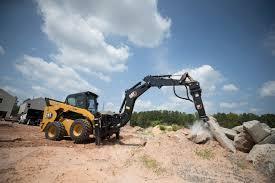
In today's construction, agriculture, landscaping, and material-handling industries, versatility is key to maximizing productivity. One of the best ways to increase the functionality of heavy equipment is by using an attachment loader. These systems allow machines to perform multiple tasks by utilizing different attachments designed for specific applications. From lifting materials and clearing debris to transporting pallets and handling bulk loads, an attachment loader helps operators complete jobs faster and more efficiently. Understanding how attachment loaders work and their benefits can help businesses improve performance while reducing equipment costs.
What Is an Attachment Loader?
An attachment loader refers to a loader equipped with interchangeable tools or attachments that expand its capabilities. Instead of relying on a single-purpose machine, operators can switch attachments to perform various tasks using one piece of equipment.
Common Machines That Use Attachment Loaders
- Wheel loaders
- Skid steer loaders
- Compact track loaders
- Front-end loaders
- Agricultural loaders
This flexibility makes attachment loaders valuable assets across many industries.
Popular Attachment Loader Options
General-Purpose Buckets
Buckets are the most commonly used attachment for loaders. They are designed to move loose materials such as soil, sand, gravel, and mulch.
Key Benefits
- High carrying capacity
- Easy operation
- Suitable for multiple applications
A bucket-equipped attachment loader is ideal for everyday construction and landscaping work.
Pallet Forks
Pallet forks transform a loader into a powerful material-handling machine.
Common Uses
- Transporting pallets
- Moving construction supplies
- Handling agricultural products
- Warehouse operations
Fork attachments improve efficiency and reduce manual labor requirements.
Grapple Attachments
Grapples are designed to secure and transport irregular materials that standard buckets cannot handle effectively.
Ideal Applications
- Land clearing
- Demolition projects
- Recycling operations
- Logging work
These attachments provide greater control when handling bulky loads.
Benefits of Using an Attachment Loader
Increased Versatility
One machine can perform numerous tasks simply by changing attachments. This reduces the need for multiple specialized machines.
Improved Productivity
An attachment loader allows operators to complete jobs more quickly by using the right tool for each task.
Lower Equipment Costs
Businesses can save money by investing in attachments instead of purchasing additional equipment.
Better Job Site Efficiency
Quick attachment changes help minimize downtime and keep projects moving forward.
Choosing the Right Attachment
Match the Attachment to the Job
Different tasks require different tools. Buckets are ideal for loose materials, while forks are better for palletized loads.
Verify Compatibility
Always ensure the attachment is compatible with the loader's hydraulic system, lift capacity, and mounting mechanism.
Consider Long-Term Use
The best attachment loader setup includes durable attachments that can withstand demanding working conditions and frequent use.
Maintenance Tips
Perform Routine Inspections
Check hydraulic hoses, pins, mounting points, and wear components regularly.
Keep Attachments Clean
Removing dirt and debris helps prevent unnecessary wear and extends equipment life.
Follow Manufacturer Guidelines
Routine maintenance ensures that every attachment loader continues to operate safely and efficiently.
Proper maintenance reduces downtime and maximizes equipment performance.
Conclusion
An attachment loader is an excellent solution for businesses seeking greater versatility, productivity, and cost efficiency. By using interchangeable attachments such as buckets, pallet forks, and grapples, operators can adapt one machine to a wide variety of tasks. This flexibility reduces equipment expenses while improving job-site performance. Whether working in construction, agriculture, or material handling, investing in the right attachment loader system can deliver long-term value and operational success.
FAQs
1. What is an attachment loader?
An attachment loader is a loader that uses interchangeable attachments to perform multiple tasks and applications.
2. What are the most common loader attachments?
General-purpose buckets, pallet forks, grapples, sweepers, and snow-removal attachments are among the most common options.
3. Do attachment loaders improve productivity?
Yes, they allow operators to complete various tasks with a single machine, reducing downtime and increasing efficiency.
4. Can all loaders use attachments?
Most modern loaders are designed to accommodate compatible attachments through quick-coupler systems.
5. How do I choose the right attachment loader?
Consider your project requirements, machine compatibility, operating environment, and long-term productivity goals when selecting attachments.

 English
 Arabic
 French
 Portuguese
 Deutsch
 Turkish
 Dutch
Dutch
 Italiano
 Russian
 Romaian
 Portuguese (Brazil)
 Greek
Greek