


ADHD and Emotional Regulation: Coaching vs Therapy Explained for Real-Life Support
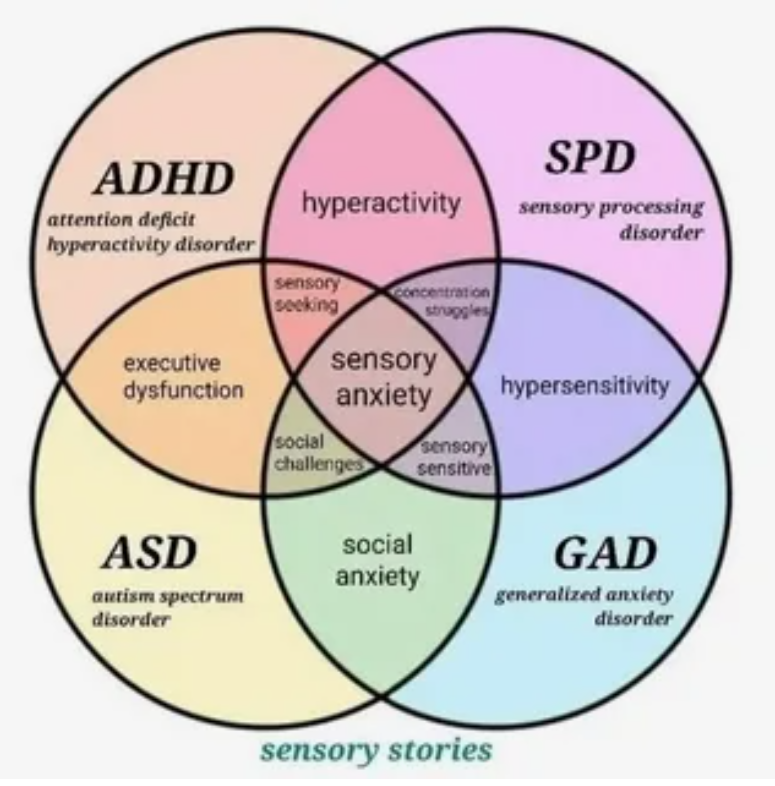
ADHD (Attention-Deficit/Hyperactivity Disorder) is often understood in terms of focus, distraction, or hyperactivity. But one of the most challenging and less talked about aspects of ADHD is emotional regulation. Many people with ADHD struggle not only with attention but also with managing emotions like frustration, overwhelm, rejection sensitivity, and impulsivity.
Because of this, many individuals seek support—but often get confused about what kind of help they actually need. Should they choose ADHD coaching or therapy? Both can be helpful, but they serve different purposes. Understanding the difference can help you choose the right path for emotional stability, personal growth, and daily functioning.
In this article, we will explore ADHD and emotional regulation in depth and break down the differences between coaching vs therapy in a clear, practical way.
Understanding ADHD and Emotional Regulation
ADHD is a neurodevelopmental condition that affects how the brain manages attention, impulse control, and executive functioning. However, emotional regulation is increasingly recognized as a core challenge for many individuals with ADHD.
What is emotional regulation?
Emotional regulation is the ability to:
- Identify emotions
- Manage emotional responses
- Calm down after emotional triggers
- Respond rather than react impulsively
- Maintain emotional balance in stressful situations
For individuals with ADHD, emotional regulation can feel overwhelming. Emotions may feel:
- Intense and fast-moving
- Hard to control once triggered
- Difficult to “pause” before reacting
- Connected to rejection or criticism sensitivity
Common emotional struggles in ADHD include:
- Sudden anger or frustration
- Emotional outbursts
- Anxiety and overthinking
- Rejection Sensitive Dysphoria (RSD)
- Shame after impulsive reactions
- Feeling “too emotional” or misunderstood
These challenges are not about weakness—they are linked to how the ADHD brain processes stimulation, impulse control, and emotional input.
Why Emotional Regulation is Difficult with ADHD
The ADHD brain has differences in executive functioning, especially in areas responsible for impulse control and emotional processing. This can make it harder to “pause and think” before reacting.
Some key reasons include:
1. Executive function delays
Executive functions help with planning, pausing, and controlling responses. In ADHD, this system may be less efficient, making emotional reactions faster than rational thinking.
2. Heightened emotional sensitivity
Many individuals with ADHD experience emotions more intensely than others. Small triggers can feel much larger emotionally.
3. Dopamine regulation
ADHD is linked to dopamine activity, which affects motivation and emotional reward systems. Emotional highs and lows may feel stronger.
4. Rejection sensitivity
Many people with ADHD experience intense emotional pain from perceived rejection or criticism, even when it is minor or unintentional.
Understanding these patterns is important because it removes self-blame and helps individuals seek the right kind of support.
ADHD Coaching: What It Is and How It Helps
ADHD coaching is a structured, goal-focused support system designed to help individuals build practical life skills and strategies.
What ADHD coaching focuses on:
- Time management and organization
- Goal setting and follow-through
- Building routines and habits
- Improving productivity
- Developing coping strategies for daily life
- Accountability and motivation
How coaching helps emotional regulation
While coaching is not therapy, it can still support emotional regulation indirectly by:
- Teaching tools to pause before reacting
- Helping create structured routines that reduce stress
- Building awareness of emotional triggers
- Developing habit systems that prevent overwhelm
- Encouraging self-reflection and accountability
Best for ADHD coaching if you:
- Struggle with daily structure and productivity
- Need help building habits and routines
- Want practical tools and accountability
- Are emotionally stable enough for goal-based work
ADHD coaching is forward-focused. It does not deeply explore trauma or mental health diagnoses but instead focuses on “what now and how.”
Therapy for ADHD: What It Is and How It Helps
Therapy is a mental health treatment process led by licensed professionals. It is designed to address emotional, psychological, and behavioral challenges at a deeper level.
What therapy focuses on:
- Emotional healing and regulation
- Trauma processing
- Anxiety and depression linked to ADHD
- Self-esteem and identity issues
- Childhood experiences and emotional patterns
- Relationship difficulties
How therapy supports emotional regulation
Therapy directly targets emotional dysregulation by:
- Helping you understand emotional triggers
- Teaching coping strategies for emotional intensity
- Processing past trauma or rejection experiences
- Rewiring negative thought patterns
- Supporting emotional resilience over time
Therapies often used for ADHD emotional challenges include:
- CBT (Cognitive Behavioral Therapy)
- DBT (Dialectical Behavior Therapy)
- Trauma-informed therapy
- Mindfulness-based therapy
Best for therapy if you:
- Experience intense emotional swings or distress
- Struggle with anxiety, depression, or trauma
- Have difficulty managing relationships due to emotions
- Need deeper emotional healing and support
Therapy is more reflective and healing-focused rather than performance-focused.
Coaching vs Therapy: Key Differences
Although coaching and therapy can overlap in some areas, their goals and methods are different.
1. Focus
- Coaching: Future goals, structure, and action steps
- Therapy: Emotional healing, past experiences, and mental health
2. Emotional depth
- Coaching: Light emotional processing with practical tools
- Therapy: Deep emotional exploration and healing work
3. Qualification
- Coaching: Not necessarily licensed mental health professionals
- Therapy: Licensed clinicians trained in psychology and mental health treatment
4. Goal
- Coaching: Improve daily functioning and performance
- Therapy: Improve emotional well-being and psychological health
5. Time focus
- Coaching: Present and future
- Therapy: Past, present, and future
Can You Need Both Coaching and Therapy?
Yes—many people with ADHD benefit from both coaching and therapy at different stages of their journey.
For example:
- Therapy can help you heal emotional wounds and manage anxiety or trauma.
- Coaching can help you apply structure, build habits, and stay consistent in daily life.
Together, they can create a balanced support system:
- Therapy = emotional foundation
- Coaching = practical execution
This combination is often powerful for long-term ADHD management and emotional stability.
Choosing the Right Support for You
Choosing between ADHD coaching and therapy depends on your current needs.
Ask yourself:
- Am I struggling more with emotional pain or daily structure?
- Do I need healing or productivity support right now?
- Are my emotions overwhelming my relationships or my routines?
If emotions feel intense, painful, or tied to past experiences, therapy is often the best starting point.
If you feel emotionally stable but disorganized, overwhelmed, or stuck in habits, coaching may be more helpful.
There is no “better” option—only what fits your current situation.
Final Thoughts
ADHD and emotional regulation are deeply connected, and many individuals underestimate how much emotional intensity affects daily life. Whether you choose coaching, therapy, or both, the goal is the same: to build a life where emotions feel manageable, not controlling.
Therapy helps you understand and heal emotional patterns, while coaching helps you build systems and move forward with clarity. Together, they offer a complete path toward emotional balance and functional success.
Understanding coaching vs therapy is not about choosing the “right” label—it’s about choosing the right support for where you are right now in your ADHD journey.

 English
 Arabic
 French
 Spanish
 Portuguese
 Deutsch
 Turkish
 Dutch
Dutch
 Italiano
 Russian
 Romaian
 Greek
Greek