


Visa Blood Test: Everything You Need to Know Before Applying
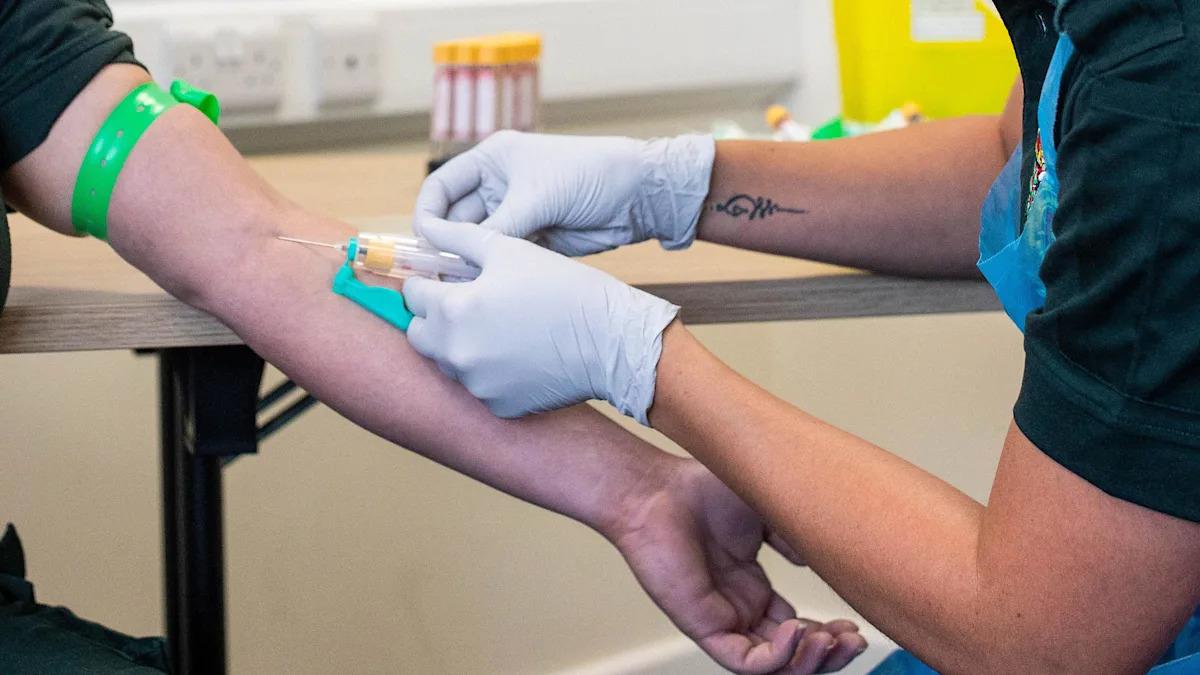
Applying for a visa involves several steps, and one of the most important requirements in many immigration processes is the visa blood test. While it may seem intimidating at first, understanding the purpose and procedure of medical screening can make the process much easier. A Visa Blood Test Dubai is generally conducted to ensure applicants meet the health standards established by immigration authorities and to prevent the spread of infectious diseases across borders.
Why Is a Visa Blood Test Required?
Many countries require a visa medical examination as part of the immigration process. The purpose of the blood test is not to invade privacy but to protect public health and ensure that incoming residents or visitors do not pose significant health risks.
Immigration authorities use these tests to identify specific infectious diseases and verify an applicant's overall health status. In some cases, blood screening also supports the assessment of long-term residency or work permits.
A visa blood test serves several important functions:
-
Detecting communicable diseases
-
Supporting public health measures
-
Meeting immigration medical requirements
-
Completing mandatory health assessments
-
Ensuring compliance with visa regulations
Understanding these objectives can help applicants approach the process with less anxiety and better preparation.
Who Needs a Visa Blood Test?
Not every visa applicant is required to undergo blood testing. The requirement often depends on factors such as:
Type of Visa:
Different visa categories may have different medical requirements. Work visas, permanent residency applications, and long-term stay permits commonly require comprehensive medical examinations.
Applicant's Age:
Certain age groups may be exempt from specific laboratory tests depending on immigration policies.
Health History:
Previous medical conditions or travel history may influence the tests requested during immigration screening.
Duration of Stay:
Longer stays may involve stricter health assessments compared to short-term visits.
Applicants should always verify the latest medical requirements before scheduling an appointment.
What Diseases Are Commonly Screened?
The exact tests vary depending on immigration rules, but visa blood tests often screen for infectious diseases that may impact public health.
Common screenings may include:
-
Syphilis testing
-
HIV screening in certain jurisdictions
-
General blood analysis
-
Infectious disease assessment
-
Additional laboratory tests when medically necessary
Medical professionals conduct these tests according to established healthcare guidelines while maintaining strict confidentiality.
What Happens During the Medical Examination?
Many applicants worry about what to expect during the visa medical process. Fortunately, the procedure is usually straightforward and professionally managed.
A typical immigration medical examination may include:
Identity Verification:
Applicants present identification documents and appointment details before the examination begins.
Medical History Review:
A physician may ask questions regarding previous illnesses, surgeries, medications, or vaccination history.
Physical Examination:
Basic health indicators such as height, weight, blood pressure, and general physical condition are assessed.
Blood Sample Collection:
A healthcare professional draws a small blood sample from a vein, usually from the arm. The process takes only a few minutes and causes minimal discomfort.
Additional Diagnostic Tests:
Depending on Visa Blood Test requirements, applicants may undergo chest X-rays or urine tests as part of the medical screening process.
How Should You Prepare for a Visa Blood Test?
Proper preparation helps ensure accurate results and a smooth experience.
Bring Required Documents:
Carry all requested documents, including:
-
Passport
-
Appointment confirmation
-
Medical records if applicable
-
Vaccination history
-
Visa application information
Follow Pre-Test Instructions:
Some blood tests may require fasting. Always follow the instructions provided by the medical center.
Stay Hydrated:
Drinking water before the appointment can make blood collection easier and improve comfort.
Get Adequate Rest:
Lack of sleep can affect certain health measurements. Aim for sufficient rest before your medical examination.
Inform the Doctor About Medications:
Some medications may influence laboratory results. Inform healthcare providers about any prescriptions or supplements you are taking.
How Long Does It Take to Receive Results?
Processing times vary depending on laboratory procedures and immigration guidelines. In many cases, results become available within a few days. However, additional testing may extend the timeline if further evaluation is required.
Applicants should avoid making travel arrangements until medical clearance is complete and visa approval is confirmed.
Can a Visa Be Rejected Because of Blood Test Results?
A common concern among applicants is whether abnormal blood test findings automatically result in visa rejection.
The answer depends on several factors. Immigration authorities evaluate medical findings according to public health policies and admissibility requirements. Not all medical conditions affect visa eligibility.
Certain treatable conditions may simply require further evaluation or medical documentation. In some situations, applicants may be asked to undergo additional testing before a final decision is made.
Being honest during the medical examination and providing accurate health information can help prevent complications.
Common Myths About Visa Blood Tests:
Misinformation often creates unnecessary fear. Let's address some common myths.
Myth: Every Applicant Must Take the Same Test
Medical requirements vary depending on visa category, age, and immigration rules.
Myth: Blood Tests Are Painful
The procedure involves a quick needle insertion and is generally well tolerated.
Myth: A Minor Health Issue Leads to Rejection
Many medical conditions do not affect visa eligibility.
Myth: Results Are Shared Publicly
Medical information remains confidential and is handled according to healthcare privacy regulations.
Tips for a Smooth Immigration Medical Experience:
To make the process easier, keep these practical tips in mind:
-
Schedule your appointment early.
-
Double-check documentation requirements.
-
Follow all laboratory instructions carefully.
-
Arrive on time for your medical examination.
-
Maintain transparency regarding medical history.
-
Keep copies of important records.
Preparation and organization can significantly reduce stress during the visa application process.
Final Thoughts:
A visa blood Lab tests is an essential component of many immigration procedures designed to protect both applicants and public health systems. Although medical examinations may seem overwhelming, understanding the process can help you approach it with confidence.
From laboratory screening and infectious disease testing to health assessments and medical clearance, every step serves a specific purpose within immigration regulations. By preparing properly, following medical instructions, and staying informed, applicants can complete the process efficiently and avoid unnecessary delays.
Whether you are applying for work, study, or long-term residency, being informed about visa blood test requirements is one of the best ways to ensure a smoother immigration journey.

 English
 Arabic
 French
 Spanish
 Portuguese
 Deutsch
 Turkish
 Dutch
Dutch
 Italiano
 Russian
 Portuguese (Brazil)
 Greek
Greek