


What Are Orthopedic Shoes for Women and Do You Actually Need Them?
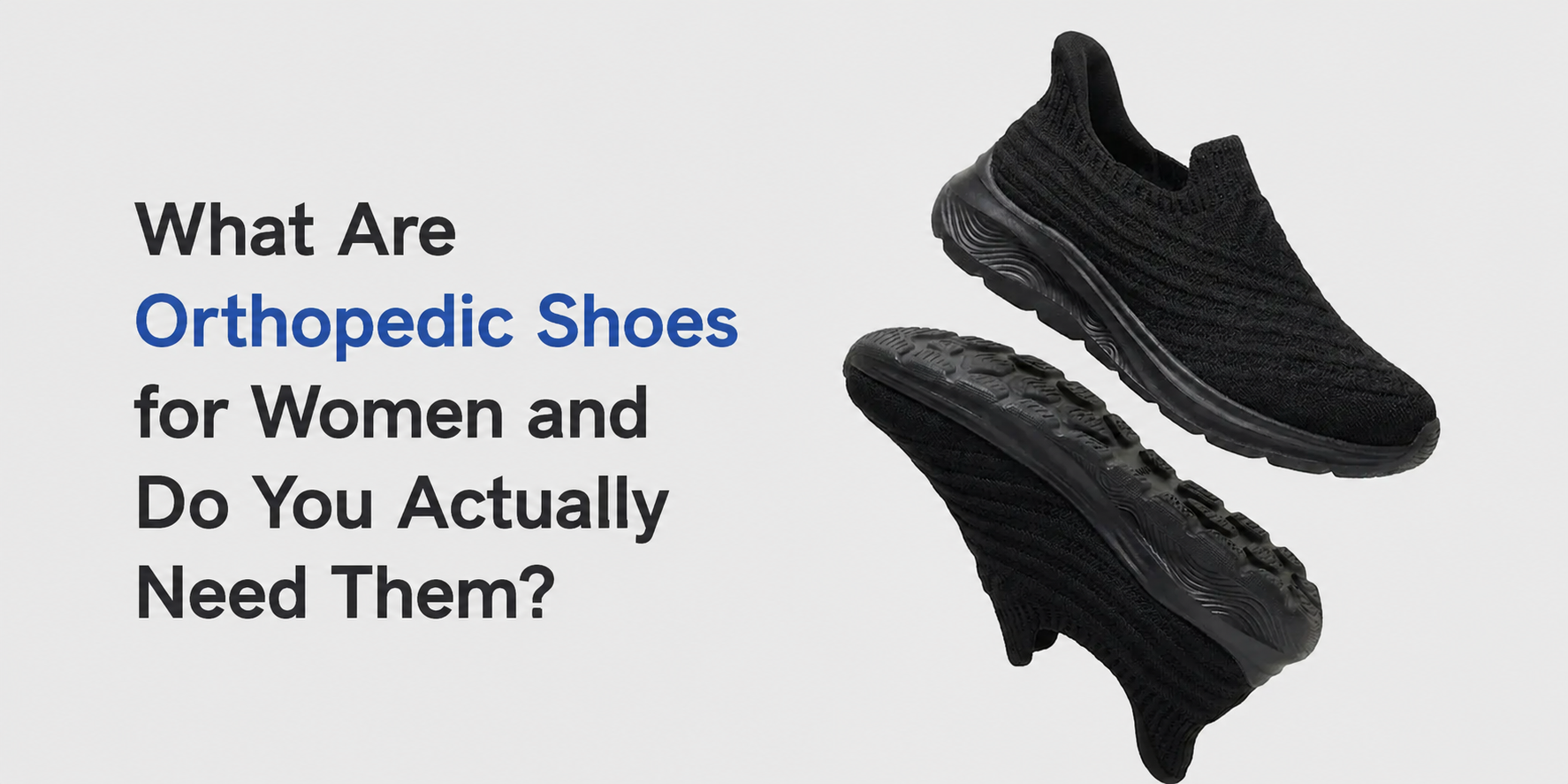
Foot pain, poor posture, and daily discomfort can make even simple activities feel challenging. Whether you're walking, working, exercising, or spending long hours on your feet, the shoes you wear play a major role in how your body feels throughout the day. This is why many women are turning to orthopedic shoes for women as a practical solution for better comfort and support.
But what exactly are orthopedic shoes, and do you actually need them? Let's take a closer look at how they work, who can benefit from them, and what features to look for when choosing the right pair.
What Are Orthopedic Shoes?
Orthopedic shoes are specially designed footwear created to support the natural structure and movement of your feet. Unlike standard shoes that often prioritize style over comfort, orthopedic footwear focuses on proper alignment, cushioning, stability, and pressure distribution.
These shoes are built to help reduce strain on the feet, ankles, knees, hips, and lower back. They often include supportive insoles, enhanced arch support, shock-absorbing midsoles, roomy toe boxes, and stable outsoles.
Many people assume orthopedic footwear looks bulky or outdated. However, modern designs combine foot-health benefits with stylish appearances, making them suitable for everyday wear.
How Are Orthopedic Shoes Different From Regular Shoes?
Regular footwear may feel comfortable at first, but it doesn't always provide the support your feet need during extended use. Orthopedic shoes are designed with additional features that prioritize long-term comfort and foot health.
Key differences include:
-
Better arch support
-
Enhanced cushioning
-
Improved shock absorption
-
Deeper heel cups for stability
-
Wider toe boxes
-
Better pressure distribution
-
Improved posture support
These features work together to reduce stress on joints and muscles while promoting healthier movement patterns.
Signs You May Need Orthopedic Shoes
Not everyone requires specialized footwear, but certain symptoms may indicate that your current shoes aren't providing adequate support.
You may benefit from orthopedic footwear if you experience:
Frequent Foot Pain
Persistent pain in the heels, arches, balls of the feet, or toes can signal inadequate support.
Plantar Fasciitis
This common condition causes sharp heel pain, especially during the first steps of the morning. Proper arch support and cushioning can help improve daily comfort.
Flat Feet or High Arches
Both foot types can create uneven pressure distribution, leading to discomfort and fatigue.
Knee, Hip, or Back Pain
Foot alignment directly impacts the rest of the body. Poor footwear can contribute to discomfort in multiple joints.
Standing for Long Hours
Teachers, nurses, retail workers, and healthcare professionals often spend entire shifts on their feet, making supportive footwear essential.
Balance and Stability Concerns
Supportive shoes can help improve stability and reduce the risk of slips or falls.
Benefits of Wearing Orthopedic Shoes
Many women notice significant improvements after switching to supportive footwear.
Enhanced Comfort
Orthopedic shoes are designed to cushion pressure points and reduce fatigue, helping your feet feel more comfortable throughout the day.
Better Posture
Proper foot alignment encourages healthier posture from the ground up, which may reduce strain on your knees, hips, and lower back.
Reduced Joint Stress
Shock-absorbing materials help minimize the impact of walking on hard surfaces.
Improved Stability
Supportive structures and deep heel cups help keep the foot properly aligned during movement.
Long-Term Foot Health
Consistent support can help reduce excessive strain and promote healthier walking mechanics over time.
What Features Should You Look For?
When shopping for supportive footwear, focus on features that contribute to comfort and stability.
Arch Support
Good arch support helps distribute body weight more evenly and reduces pressure on the feet.
Cushioned Insoles
Soft, responsive cushioning can help absorb impact and improve comfort during long periods of walking or standing.
Wide Toe Box
A roomy toe area allows your toes to spread naturally, reducing pressure and friction.
Deep Heel Cup
Heel support improves stability and helps maintain proper foot alignment.
Breathable Materials
Breathable uppers help improve airflow and reduce moisture buildup.
Slip-Resistant Sole
A durable outsole with strong traction can provide added confidence on various surfaces.
Choosing the Best Orthopedic Shoes for Women
The best orthopedic shoes for women should provide the right balance of support, comfort, durability, and style. Since every foot is different, it's important to choose footwear based on your individual needs rather than following trends.
Consider:
-
Your foot shape
-
Daily activities
-
Existing foot conditions
-
Preferred fit
-
Level of cushioning needed
A shoe that works well for one person may not be ideal for another, so comfort should always be your top priority.
Why Many Women Choose Novera Orthopedic Shoes

Among supportive footwear options available today, Novera orthopedic shoes have gained attention for combining orthopedic benefits with modern design.
These shoes are built to provide:
-
Arch-support-focused comfort
-
Cushioned insoles
-
Improved shock absorption
-
Breathable construction
-
Everyday versatility
Whether you're running errands, walking through the city, or spending long hours on your feet, Novera orthopedic shoes are designed to help support natural movement while maintaining comfort throughout the day.
Many women appreciate that supportive footwear no longer has to sacrifice style. Modern orthopedic designs can easily complement casual outfits while still providing the comfort features needed for daily wear.
What About Barefoot Shoes?

In recent years, barefoot-style footwear has become increasingly popular among women seeking a more natural walking experience.
Many people explore easy barefoot shoes women's options because they encourage natural foot movement and allow the toes to spread more freely. These shoes typically feature flexible soles and lightweight construction.
However, barefoot footwear may not be suitable for everyone. Individuals with significant foot pain, plantar fasciitis, or existing mobility concerns often require more structured support.
If you're considering easy barefoot shoes women's styles, it's generally recommended to transition gradually and pay attention to how your feet respond.
For some women, supportive orthopedic shoes provide the stability they need, while others may prefer a more natural approach depending on their foot health and lifestyle.
Do You Actually Need Orthopedic Shoes?
The answer depends on your individual situation.
If you regularly experience foot discomfort, fatigue, poor support from traditional footwear, or spend long hours standing and walking, supportive shoes may significantly improve your daily comfort.
Even women without diagnosed foot conditions can benefit from footwear that offers proper cushioning, stability, and alignment support.
The goal isn't simply treating foot pain, it's helping prevent discomfort before it starts.
Step Into All-Day Comfort With the Right Support
Ready to give your feet the comfort they deserve? Explore Omega Walk's collection of orthopedic footwear designed to provide superior cushioning, arch support, and everyday style. Whether you're looking for relief from foot fatigue or simply want more comfortable daily footwear, find the perfect pair to support every step.
Shop now and Experience the Difference.

 English
 Arabic
 French
 Spanish
 Portuguese
 Deutsch
 Turkish
 Dutch
Dutch
 Italiano
 Russian
 Portuguese (Brazil)
 Greek
Greek