


Best Age Control Cream for Smooth, Youthful Skin
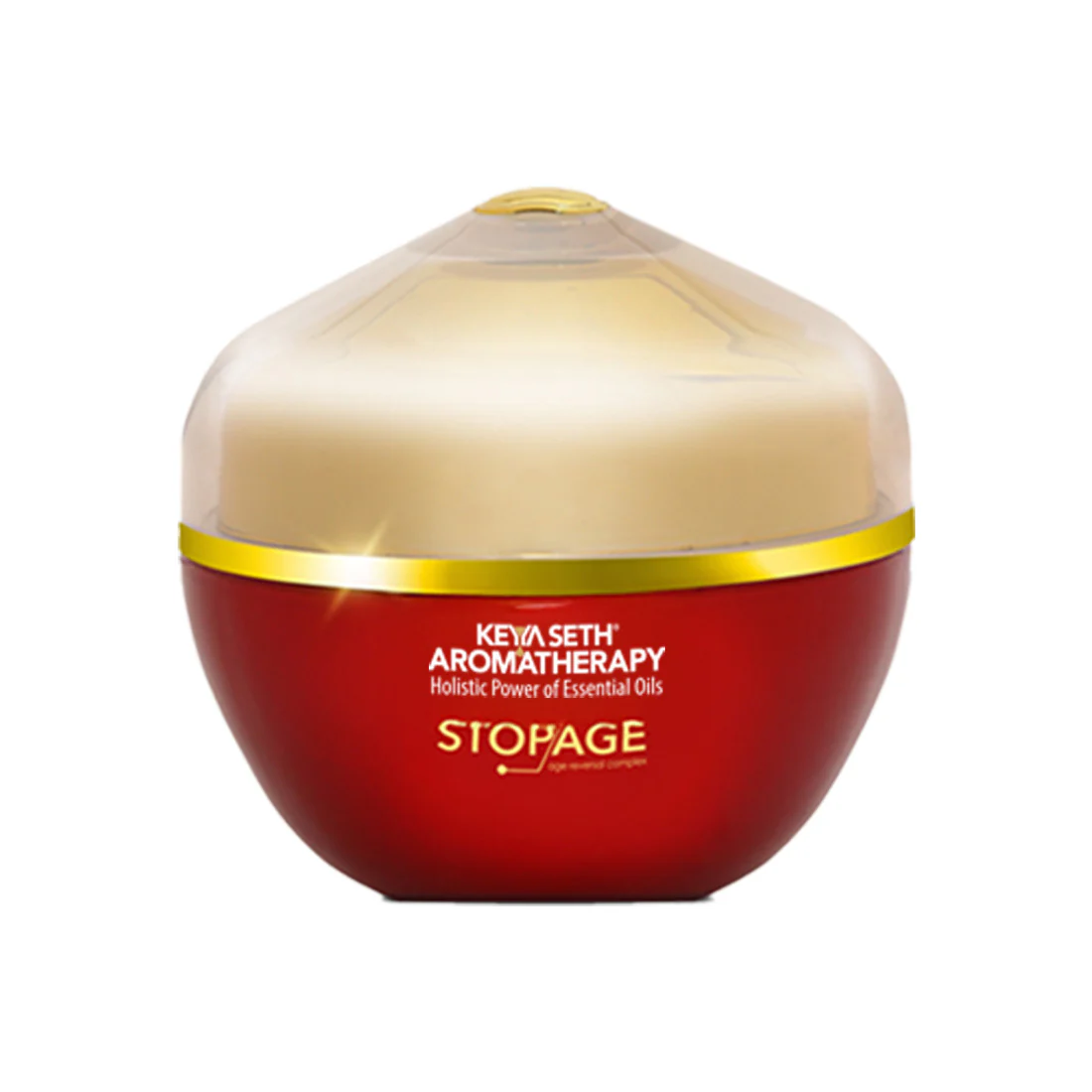
Best Age Control Cream choices can make your skincare routine feel simpler, smarter, and more effective when your goal is smoother, healthier-looking, youthful skin. The right cream will not erase aging overnight, but it can support hydration, improve texture, soften the look of fine lines, and help protect the skin barrier with consistent use.
Age control cream refers to a skincare product designed to reduce the visible signs of aging, such as dryness, dullness, uneven tone, fine lines, and loss of firmness. It usually works through a mix of moisturizers, barrier-supporting ingredients, antioxidants, and active ingredients like retinol, peptides, niacinamide, hyaluronic acid, ceramides, or vitamin C.
A good age control cream is not about looking “younger at any cost.” It is about helping your skin look rested, balanced, smooth, and well cared for at every age.
What Is an Age Control Cream?
Age control cream means a moisturizer or treatment cream made to target visible signs of skin aging. These signs may include wrinkles, fine lines, rough texture, dryness, dark spots, dullness, and reduced elasticity.
In simple words, age control cream helps your skin stay hydrated, protected, and supported as natural skin changes happen over time.
Your skin naturally changes with age. It may produce less oil, hold less moisture, and renew itself more slowly. Sun exposure, pollution, stress, lack of sleep, smoking, and poor skincare habits can make these changes appear earlier or more strongly. The American Academy of Dermatology notes that sun protection is a foundation of anti-aging skincare because UV exposure contributes heavily to premature skin aging.
An age control cream is one part of the solution. Think of it like regular maintenance for your skin. Just as you maintain a car before problems become serious, you care for your skin daily to keep it functioning and looking its best.
Why Smooth, Youthful Skin Needs More Than Moisturizer
Smooth skin depends on hydration, barrier strength, collagen support, and protection from damage. A basic moisturizer can reduce dryness, but an age control cream usually goes further by adding ingredients that support texture, tone, and firmness.
Hydration Keeps Skin Looking Plump
Hydration is the first visible benefit most people notice. When skin lacks water, fine lines look deeper and texture appears rougher. Hyaluronic acid is a popular hydrating ingredient because it helps attract and hold moisture in the skin. Cleveland Clinic describes hyaluronic acid as useful for reducing the appearance of wrinkles and age lines when used topically.
Hydrated skin often looks softer, fresher, and more comfortable. This does not mean wrinkles disappear permanently. It means the skin surface looks smoother because it is better moisturized.
The Skin Barrier Protects Your Glow
The skin barrier is the outer protective layer of your skin. It helps keep moisture in and irritants out. When this barrier is weak, your skin may feel dry, tight, sensitive, flaky, or red.
Ingredients like ceramides, niacinamide, glycerin, and fatty acids can support the barrier. A strong barrier is important because irritated skin rarely looks youthful or smooth. Calm skin usually reflects light better and appears more even.
Collagen Support Matters Over Time
Collagen is a protein that helps keep skin firm and structured. With age, collagen production slows, and existing collagen can break down due to UV exposure and lifestyle factors.
Retinol and retinoids are among the most researched skincare ingredients for improving visible signs of aging. The American Academy of Dermatology states that retinoids can be useful for mild fine lines, pigmentation irregularities, and acne concerns. Cleveland Clinic also explains that retinol is a form of vitamin A used in skincare for anti-aging effects.
Benefits of Using the Best Age Control Cream
The best age control cream supports your skin in several practical ways. The benefits are usually gradual, not instant.
It Helps Reduce the Look of Fine Lines
Fine lines often look more visible when skin is dry. A well-formulated cream hydrates the skin and may include ingredients like retinol, peptides, or niacinamide to improve the appearance of lines over time.
Retinol can support skin renewal, while peptides may help improve texture and firmness. Mayo Clinic notes that ingredients such as retinol, niacinamide, peptides, and vitamin C are commonly used in wrinkle creams for visible aging concerns.
It Improves Skin Texture
Uneven texture can make skin look tired even when there are few wrinkles. Age control creams may help smooth roughness by supporting moisture, gentle renewal, and barrier repair.
For example, someone in their late 30s may notice makeup settling into dry patches. A good cream can make the skin surface feel smoother, helping makeup apply more evenly.
It Supports a Brighter-Looking Complexion
Dull skin often comes from dryness, dead skin buildup, stress, or uneven tone. Ingredients like vitamin C, niacinamide, and gentle exfoliating acids may help improve radiance.
Vitamin C is an antioxidant, which means it helps defend the skin against oxidative stress. Oxidative stress refers to damage caused by unstable molecules known as free radicals. These can come from pollution, UV exposure, and everyday environmental stressors.
It Helps Skin Feel Firmer
No cream can replace professional lifting treatments, but some formulas can make skin appear firmer by improving hydration and supporting collagen-related pathways.
The American Academy of Dermatology explains that creams and lotions produce subtle results at best for sagging skin, though retinoids like retinol may help the body make more collagen. This is important because realistic expectations lead to better skincare decisions.
It Builds a Consistent Self-Care Routine
A cream you enjoy using is easier to apply consistently. Consistency matters more than using many products. A simple routine done daily usually performs better than a complicated routine used once in a while.
Key Ingredients to Look For in an Age Control Cream
The best age control cream is not defined by fancy packaging. It is defined by ingredients that match your skin’s needs.
Retinol
Retinol means a form of vitamin A used in skincare to support skin renewal. It can help improve the appearance of fine lines, uneven tone, and rough texture.
Start slowly. Retinol may cause dryness or irritation at first. Many dermatologists recommend using it a few nights per week before increasing frequency. The American Academy of Dermatology advises starting with the least intense formula and building slowly when using retinoids.
Hyaluronic Acid
Hyaluronic acid means a moisture-binding ingredient that helps skin look plumper and smoother. It is especially useful for dry or dehydrated skin.
It works well in age control creams because it gives a quick comfort boost while other ingredients work gradually.
Niacinamide
Niacinamide means vitamin B3. It can help support the skin barrier, improve uneven tone, calm the skin, and reduce the visible signs of aging.
Mayo Clinic notes that niacinamide may help reduce signs of aging, improve skin tone, and calm the skin. This makes it a strong option for people who want anti-aging support without harshness.
Peptides
Peptides are short chains of amino acids. Amino acids are the building blocks of proteins like collagen and elastin.
In skincare, peptides are used to support firmness and texture. They are generally well tolerated and are a good choice for people who cannot use retinol often.
Ceramides
Ceramides are natural lipids, or fats, found in the skin barrier. They help keep moisture inside the skin and protect against irritation.
A cream with ceramides is helpful for dry, sensitive, or mature skin because aging skin often becomes more prone to dryness.
Vitamin C
Vitamin C means an antioxidant that can help brighten uneven tone and protect against environmental stress. It is often used in morning routines under sunscreen.
Vitamin C can be powerful, but some forms may irritate sensitive skin. A cream with a stable vitamin C derivative may be gentler than a strong vitamin C serum.
Sunscreen Support
An age control cream may hydrate and treat, but sunscreen protects. Without daily sun protection, anti-aging results are harder to maintain.
AAD states that sun protection forms the foundation of an effective anti-aging skincare plan. For daytime, use broad-spectrum sunscreen after your cream unless your cream already contains enough SPF and is applied generously.
How Does Age Control Cream Work?
Age control cream works by hydrating the skin, strengthening the skin barrier, supporting renewal, and protecting against visible environmental damage.
Some ingredients give fast cosmetic improvement. For example, humectants like hyaluronic acid can make skin look plumper within hours. Other ingredients, like retinol or peptides, require consistent use for weeks or months.
The Short-Term Effect
Short-term results usually include softer skin, less tightness, and a smoother surface. This happens because the cream adds moisture and reduces dryness.
The Long-Term Effect
Long-term results may include improved texture, a more even look, and softer-looking fine lines. These changes depend on the formula, your age, your skin type, sun exposure, lifestyle, and consistency.
The Protection Effect
Protection is just as important as correction. Using sunscreen, avoiding tanning, and maintaining the skin barrier help prevent new visible damage.
How to Choose the Best Age Control Cream for Your Skin Type
The best product is the one that suits your skin type, concerns, and tolerance.
For Dry Skin
Choose a richer cream with ceramides, hyaluronic acid, glycerin, shea butter, squalane, or nourishing oils. Dry skin needs comfort and barrier support before strong actives.
For Oily Skin
Choose a lightweight, non-comedogenic cream. Non-comedogenic means the product is designed not to clog pores.
Look for niacinamide, gel-cream textures, and oil-free hydration. Avoid very heavy formulas if they make your skin feel greasy.
For Sensitive Skin
Choose fragrance-free formulas with calming ingredients like niacinamide, ceramides, panthenol, or colloidal oatmeal.
Avoid starting with strong retinol or multiple active ingredients at once. Sensitive skin needs a slow, careful approach.
For Combination Skin
Use a balanced cream that hydrates without heaviness. You may apply more product on dry areas and less on oily areas.
For Mature Skin
Choose a cream with barrier support plus proven anti-aging ingredients such as retinol, peptides, niacinamide, and antioxidants.
Mature skin often benefits from richer textures because dryness becomes more common with age.
How to Use Age Control Cream Correctly
Using the cream correctly can make a big difference.
Morning Routine
Start with a gentle cleanser. Apply a hydrating serum if you use one. Apply your age control cream. Finish with broad-spectrum sunscreen.
Cleveland Clinic recommends a simple minimum morning routine of cleanser, moisturizer, and sunscreen. This structure is easy to follow and works for most people.
Night Routine
Cleanse your skin. Apply treatment products if needed. Apply age control cream. If your cream contains retinol, use it at night unless the label says otherwise.
How Much to Use
Use a pea-sized to nickel-sized amount for the face, depending on the cream’s texture. Apply more if your neck is included.
Do not overload your skin. More product does not always mean better results. It can cause clogged pores or irritation.
How Often to Use It
Most basic age control creams can be used twice daily. Creams with retinol may be better used at night, starting two to three times per week.
Common Mistakes to Avoid
Many people do not get results because they use the wrong product, use it inconsistently, or skip sunscreen.
Expecting Overnight Results
Age control cream is not an instant wrinkle eraser. Hydration can improve quickly, but texture and fine lines take time.
A fair timeline is usually 4 to 12 weeks for visible improvement, depending on ingredients and skin condition.
Skipping Sunscreen
This is the biggest mistake. Using retinol, vitamin C, or peptides while skipping sunscreen is like cleaning a window while leaving it open in a dust storm.
Sun exposure can undo progress and deepen signs of aging.
Using Too Many Actives Together
More is not always better. Combining retinol, exfoliating acids, strong vitamin C, and acne treatments can irritate the skin.
Irritated skin may look older because it becomes red, flaky, and uneven.
Ignoring the Neck and Hands
The face gets most attention, but the neck and hands often show aging too. Apply cream and sunscreen to these areas as well.
Choosing Based Only on Price
Expensive does not always mean effective. Look for ingredients, skin compatibility, packaging, and realistic claims.
Real-World Example: What a Good Routine Looks Like
Imagine a 42-year-old professional with dry skin, fine lines around the eyes, and dullness from long workdays. A smart routine may look like this:
Morning: gentle cleanser, vitamin C or niacinamide serum, age control cream, sunscreen.
Night: gentle cleanser, retinol two or three nights per week, age control cream, extra moisturizer on dry patches.
After two weeks, the skin may feel softer. After six to eight weeks, texture may look smoother. After three months, fine lines may appear less noticeable, especially if sunscreen is used daily.
Now imagine someone with oily, sensitive skin. Their routine may be different:
Morning: gentle cleanser, lightweight niacinamide cream, sunscreen.
Night: gentle cleanser, peptide-based age control cream, retinol only once or twice weekly if tolerated.
The point is simple. The best age control cream depends on the person using it.
What Results Can You Realistically Expect?
You can expect smoother, softer, more hydrated skin with consistent use. You may also see improved texture, a brighter look, and softer-looking fine lines over time.
You should not expect a cream to remove deep wrinkles, lift sagging skin dramatically, or replace dermatology treatments. Creams work best for maintenance, prevention support, and mild to moderate visible signs of aging.
This realistic view builds trust. Good skincare is not magic. It is daily care supported by smart ingredients.
Frequently Asked Questions
What is the best age control cream?
The best age control cream is one that matches your skin type and includes effective ingredients like retinol, niacinamide, peptides, hyaluronic acid, ceramides, or antioxidants.
For dry skin, choose a richer cream. For oily skin, choose a lightweight non-comedogenic formula. For sensitive skin, choose fragrance-free barrier-supporting products.
At what age should I start using age control cream?
You can start using age control cream in your late 20s or 30s if you notice dryness, dullness, or early fine lines. Some people start earlier with simple hydration and sunscreen.
Prevention is easier than correction. Sunscreen, moisturizer, and gentle care are useful at almost every adult age.
Can age control cream remove wrinkles?
Age control cream can reduce the appearance of fine lines and wrinkles, but it cannot permanently erase deep wrinkles.
Hydrating ingredients can soften lines quickly, while retinol and peptides may improve texture gradually. Deeper wrinkles may require professional treatments.
Is retinol necessary in age control cream?
Retinol is helpful but not necessary for everyone. It is one of the most researched anti-aging ingredients, but some people cannot tolerate it.
If your skin is sensitive, peptides, niacinamide, ceramides, and hyaluronic acid may be better starting points.
Should I use age control cream every day?
Yes, most age control creams can be used daily. If the cream contains retinol or strong exfoliating ingredients, start slowly and follow the product directions.
Daily sunscreen is essential, especially when using active anti-aging ingredients.
Can men use age control cream?
Yes. Age control cream works for skin, not gender. Men can use the same ingredients to improve dryness, fine lines, texture, and dullness.
Men who shave may prefer soothing, fragrance-free formulas to reduce irritation.
How to Get Started Today
Start with your main concern. Is it dryness, fine lines, dullness, dark spots, or firmness? Then choose a cream with ingredients that match that concern.
For dryness, choose hyaluronic acid and ceramides. For fine lines, consider retinol or peptides. For dullness, look for vitamin C or niacinamide. For sensitivity, choose barrier-repair ingredients and avoid fragrance.
Keep your routine simple for the first month. Use a gentle cleanser, age control cream, and sunscreen in the morning. At night, cleanse and apply your cream again. Add stronger actives only when your skin feels stable.
Final Thoughts
The Best Age Control Cream for Smooth, Youthful Skin is not the one with the loudest claims. It is the one that hydrates well, supports your skin barrier, includes proven ingredients, suits your skin type, and fits into a routine you can follow consistently.
Healthy-looking skin comes from daily habits. Use sunscreen. Moisturize. Choose ingredients wisely. Be patient. Smooth, youthful-looking skin is built through steady care, not overnight promises.
For best results, explore related skincare products that match your skin type and start with a simple, consistent routine today.

 English
 Arabic
 Spanish
 Portuguese
 Deutsch
 Turkish
 Dutch
Dutch
 Italiano
 Russian
 Romaian
 Portuguese (Brazil)
 Greek
Greek