


Construction Project Scheduling – What Percentage of ALL Construction Projects Are Behind Schedule?
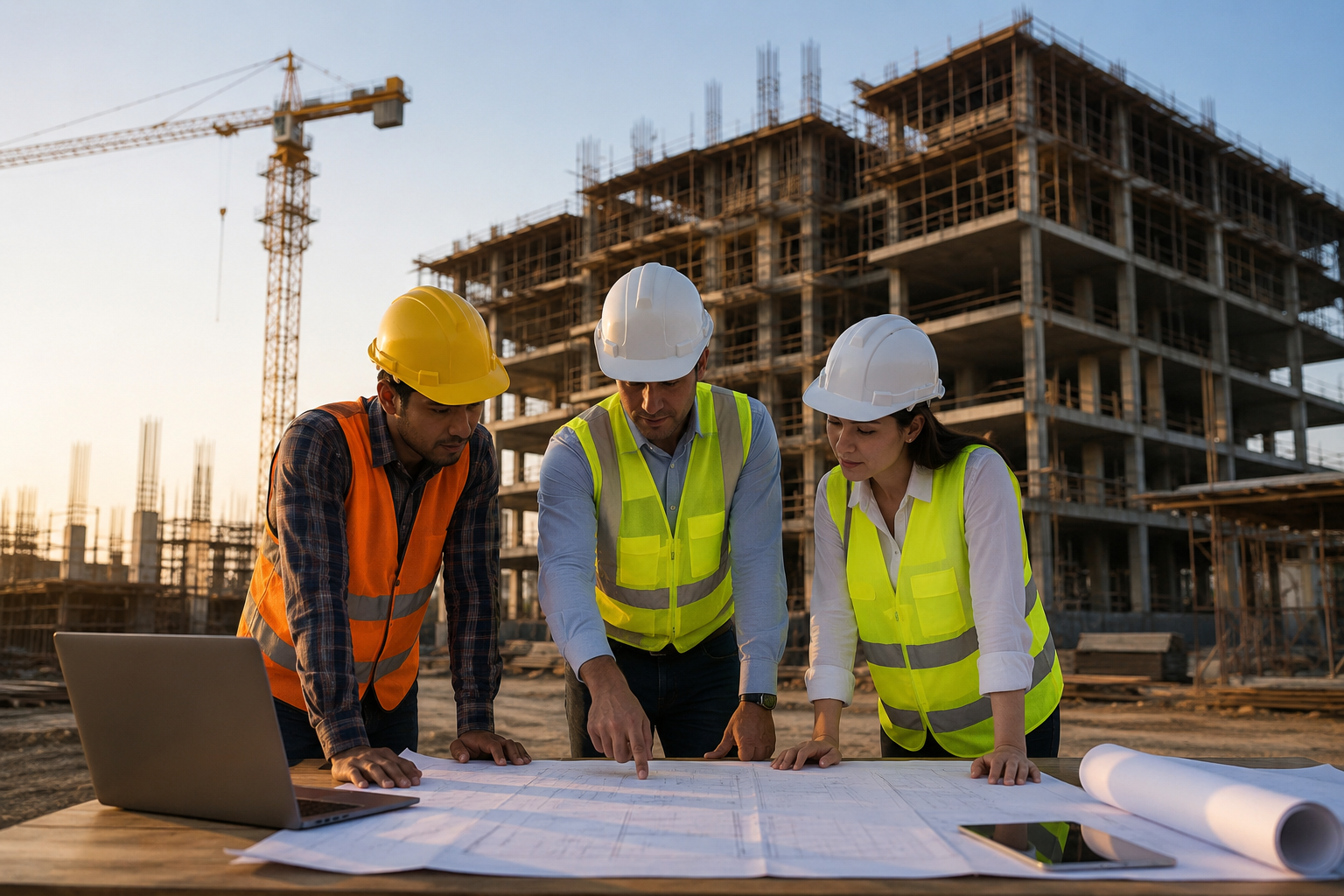
If you've worked on or around construction sites, you already know the feeling: timelines slip, deadlines shift, and what started as a 12-month build quietly turns into 18. But how widespread is this problem, really? And what does it mean for teams relying on commercial construction project management services to keep things on track?
How Many Construction Projects Actually Fall Behind Schedule?
Studies consistently show that between 70% and 90% of construction projects experience some form of schedule delay. A widely cited McKinsey Global Institute report found that large construction projects run an average of 20 months behind schedule. Another analysis by KPMG revealed that only 25% of projects came within 10% of their original deadline.
These aren't outliers. Delays are the industry norm.
The numbers vary depending on project type, region, and scale — but across residential, infrastructure, and commercial builds, the pattern holds. Delays are common, costly, and in many cases, preventable.
Why Do Construction Projects Fall Behind?
Understanding the causes is the first step toward avoiding them. Delays rarely stem from a single source — they tend to compound.
1. Poor Initial Planning
Unrealistic timelines set during the bidding or proposal stage are one of the leading contributors to schedule overruns. When project durations are compressed to win contracts, the schedule is fragile from day one.
2. Design Changes Mid-Project
Owner-directed changes after construction begins can cascade through the entire schedule. A single revision to structural drawings can delay procurement, subcontractors, and inspections simultaneously.
3. Subcontractor Coordination Failures
On most commercial builds, dozens of subcontractors work on overlapping timelines. When one trade falls behind — whether due to labor shortages, material delays, or site access conflicts — it creates a domino effect.
4. Permit and Inspection Delays
Waiting on municipal approvals or failed inspections can idle an entire crew. These delays are particularly hard to predict and often aren't built into base schedules.
5. Weather and Site Conditions
While weather is a known variable, poor contingency planning turns a rainy week into a two-month setback. Unforeseen subsurface conditions during excavation are another common culprit.
6. Supply Chain Disruptions
Material lead times have grown increasingly unpredictable in recent years. Long-lead items — structural steel, HVAC equipment, electrical gear — must be tracked carefully or they become critical-path bottlenecks.
What Schedule Delays Cost the Industry
Delays aren't just inconvenient — they're expensive.
-
Extended general conditions: Every additional week on-site means more equipment rental, supervision costs, and site overhead.
-
Liquidated damages: Many commercial contracts include penalty clauses for late delivery, which can run into thousands of dollars per day.
-
Financing costs: For owners, delays mean longer periods of carrying construction loans before a project can generate revenue.
-
Reputation damage: For contractors, repeated delays affect client relationships and future bid opportunities.
A 2023 construction industry report estimated that schedule overruns cost the U.S. construction sector over $300 billion annually when accounting for all direct and indirect losses.
The Role of Commercial Construction Project Management Services
This is where professional project management makes a measurable difference. Commercial construction project management services exist specifically to address the planning, coordination, and oversight gaps that lead to delays.
Here's what well-structured project management looks like in practice:
Detailed Scheduling from Day One
A project manager builds a phased schedule with clearly defined milestones, dependencies, and float time. Tools like critical path method (CPM) scheduling or Last Planner System help identify which activities, if delayed, will directly affect the completion date.
Proactive Risk Identification
Rather than reacting to problems, experienced commercial construction project management services identify risks before they materialize — flagging long-lead procurement items, anticipating permit timelines, and flagging subcontractor capacity issues early.
Regular Schedule Updates and Lookahead Planning
Three-week lookahead schedules give field teams visibility into upcoming work, helping crews prepare and avoid conflicts. Monthly schedule reviews keep stakeholders aligned on progress versus plan.
Change Order Management
Tracking and pricing design changes promptly — and updating the schedule accordingly — prevents small scope shifts from silently eating into the timeline.
Communication Protocols
A consistent reporting cadence keeps owners, designers, and subcontractors aligned. Many delays are prolonged simply because no one identified the problem early enough to course-correct.
Can Delays Be Eliminated Entirely?
Realistically, no. Construction is dynamic — there will always be variables outside anyone's control. But the gap between "unavoidable" and "preventable" is large, and that gap is where project management earns its value.
Projects with dedicated scheduling oversight and experienced management teams consistently outperform the industry average. The goal isn't a perfect record; it's a faster, more consistent response when things go sideways.
Conclusion
The data is clear: the majority of construction projects run behind schedule, and the consequences range from cost overruns to damaged client relationships. The causes — poor planning, coordination gaps, supply chain issues — are well understood and largely addressable.
That's the core argument for investing in commercial construction project management services. Structured scheduling, proactive risk management, and clear communication don't guarantee a perfect timeline, but they significantly improve the odds of delivering close to one.
For owners and contractors alike, treating scheduling as a discipline — not an afterthought — is one of the most practical steps toward better project outcomes.

 English
 Arabic
 Spanish
 Portuguese
 Deutsch
 Turkish
 Dutch
Dutch
 Italiano
 Russian
 Romaian
 Portuguese (Brazil)
 Greek
Greek