


Early Signs of Sewer Line Damage Every Homeowner Should Know
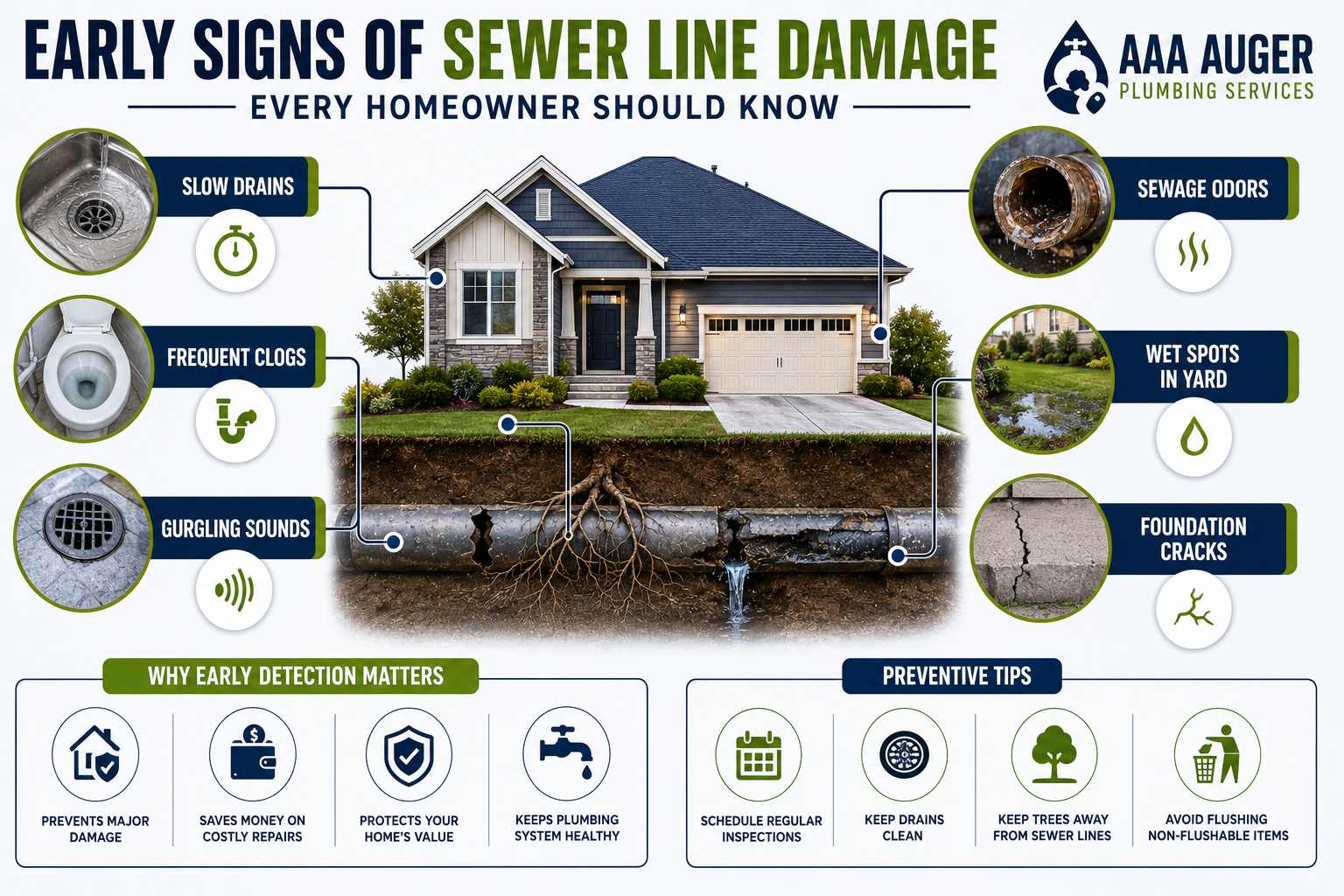
Most homeowners rarely think about their sewer line until a major plumbing problem occurs. Unfortunately, sewer line damage often develops gradually, and by the time obvious symptoms appear, repairs can become costly and disruptive. Understanding the warning signs can help homeowners act quickly and prevent serious damage to their plumbing system. Scheduling professional Sewer Line Services when early symptoms appear can help identify problems before they turn into emergencies.
Your sewer line is responsible for carrying wastewater from your sinks, toilets, showers, and appliances to the municipal sewer system or septic tank. When that line becomes damaged, blocked, or deteriorated, it can affect the entire plumbing system. Recognizing the early signs of sewer line damage is one of the best ways to avoid expensive repairs and protect your home.
Why Sewer Line Damage Should Never Be Ignored
A damaged sewer line does more than create plumbing inconveniences. It can lead to wastewater backups, unpleasant odors, property damage, and potential health hazards.
Ignoring sewer line problems can result in:
-
Major sewer backups
-
Water damage
-
Mold growth
-
Foundation issues
-
Landscape damage
-
Expensive emergency repairs
The earlier sewer line issues are identified, the easier and less expensive they are typically to fix.
Multiple Drains Start Moving Slowly
One of the earliest indicators of sewer line trouble is slow drainage throughout multiple areas of the home.
If only one sink or shower drains slowly, the issue may be a localized clog. However, when several drains begin slowing down at the same time, the problem often points to the main sewer line.
You may notice:
-
Slow kitchen sinks
-
Slow bathroom drains
-
Delayed toilet flushing
-
Water pooling around drains
These symptoms often indicate that wastewater is struggling to move through the sewer system.
Frequent Drain Clogs
Occasional clogs are common in most homes. However, recurring drain blockages may signal a larger sewer line issue.
Warning signs include:
-
Repeated toilet clogs
-
Frequent sink backups
-
Multiple clogged fixtures
-
Clogs that quickly return after clearing
When clogs continue despite cleaning efforts, a blockage may be developing deeper within the sewer line.
Unpleasant Sewage Odors
A properly functioning sewer system should remain sealed and prevent sewer gases from entering the home.
If you notice persistent sewage odors near:
-
Drains
-
Bathrooms
-
Basements
-
Outdoor plumbing areas
it may indicate a damaged sewer pipe or developing blockage.
Sewer odors should never be ignored because they often signal underlying plumbing problems that require professional attention.
Gurgling Sounds from Pipes and Drains
Unusual sounds are another common warning sign of sewer line damage.
As wastewater struggles to move through a damaged or blocked pipe, trapped air can create:
-
Bubbling noises
-
Gurgling sounds
-
Strange toilet noises
-
Drain vibrations
These sounds often occur when water is draining from sinks, tubs, or toilets.
The noise is usually caused by pressure imbalances within the sewer system and may indicate a developing blockage.
Water Backing Up in Unexpected Places
One of the clearest signs of sewer line problems is water appearing where it should not.
For example:
-
Flushing a toilet causes water to rise in a nearby tub.
-
Running a washing machine causes sink backups.
-
Water appears in floor drains.
Because all household drains connect to the main sewer line, damage or blockages can cause wastewater to back up through multiple fixtures.
This symptom should be addressed immediately to avoid more serious plumbing issues.
Unusually Green or Wet Areas in the Yard
Many sewer lines run underground through residential yards.
When a sewer pipe develops a crack or leak, wastewater may seep into the surrounding soil.
Common outdoor warning signs include:
-
Bright green grass patches
-
Soggy areas
-
Standing water
-
Unexplained lawn growth
While these areas may appear healthy, they can indicate that wastewater is escaping from a damaged sewer line beneath the surface.
Foundation Cracks and Ground Shifting
Long-term sewer leaks can affect the soil surrounding your home's foundation.
Excess moisture may cause:
-
Soil movement
-
Foundation settlement
-
Concrete cracks
-
Uneven flooring
While not every foundation issue is caused by sewer damage, persistent underground leaks can contribute to structural concerns over time.
Addressing sewer line problems early helps reduce the risk of costly structural repairs.
Rodent and Pest Activity
A damaged sewer line can create entry points for rodents and insects.
Cracks or broken sections of pipe may attract:
-
Rats
-
Mice
-
Cockroaches
-
Other pests
If you notice an increase in pest activity around your property along with plumbing issues, a sewer line inspection may be necessary.
Tree Root Intrusion
Tree roots are one of the most common causes of sewer line damage.
Roots naturally seek moisture and often grow toward underground pipes. Once roots find a small crack or pipe joint, they can enter the sewer line and continue expanding.
Signs of root intrusion include:
-
Recurring drain clogs
-
Slow drainage
-
Gurgling sounds
-
Sewer backups
Properties with mature trees near sewer lines are especially vulnerable to this issue.
Why Older Homes Face Higher Risks
Older homes often contain aging sewer pipes made from materials that deteriorate over time.
Older sewer systems may experience:
-
Pipe corrosion
-
Cracking
-
Joint failures
-
Pipe collapse
If your home is several decades old, periodic sewer inspections can help identify problems before significant damage occurs.
How Professional Sewer Inspections Help
Many sewer line problems cannot be diagnosed through visual observation alone.
Professional plumbers often use video camera inspections to evaluate sewer lines from the inside.
A sewer camera inspection can identify:
-
Blockages
-
Tree root intrusion
-
Pipe cracks
-
Corrosion
-
Misaligned pipes
-
Structural damage
This technology allows accurate diagnosis without unnecessary digging or disruption.
Preventing Major Sewer Line Repairs
While not every sewer issue can be avoided, homeowners can reduce risk by following several preventive maintenance practices.
Helpful prevention strategies include:
-
Avoid pouring grease down drains
-
Schedule routine sewer inspections
-
Address slow drains promptly
-
Monitor trees near sewer lines
-
Use professional drain cleaning when necessary
-
Avoid flushing non-flushable items
Regular maintenance helps keep sewer systems functioning efficiently and reduces the likelihood of costly repairs.
Final Thoughts
Sewer line damage often begins with subtle warning signs that homeowners may overlook. Slow drains, recurring clogs, sewage odors, gurgling sounds, and wet areas in the yard can all indicate developing sewer line problems.
Recognizing these early symptoms and scheduling professional inspections when necessary can help prevent major sewer backups, property damage, and expensive repairs. A proactive approach to sewer maintenance protects both your plumbing system and your home investment.
FAQs
What is the first sign of sewer line damage?
Multiple slow drains throughout the home are often one of the earliest warning signs of sewer line problems.
Can tree roots damage sewer lines?
Yes. Tree roots commonly enter small cracks in sewer pipes and can cause significant blockages and structural damage.
Why do I hear gurgling noises from my drains?
Gurgling sounds often indicate trapped air caused by sewer line blockages or drainage restrictions.
How can I tell if my sewer line is leaking?
Wet spots in the yard, sewage odors, slow drains, and foundation issues may indicate a leaking sewer line.
How often should sewer lines be inspected?
Many homeowners benefit from a professional sewer inspection every few years, especially if they have older plumbing systems or large trees near sewer lines.

 English
 French
 Spanish
 Portuguese
 Deutsch
 Turkish
 Dutch
Dutch
 Italiano
 Russian
 Romaian
 Portuguese (Brazil)
 Greek
Greek