


A Deep Dive into the Modern Digital Business Card Industry
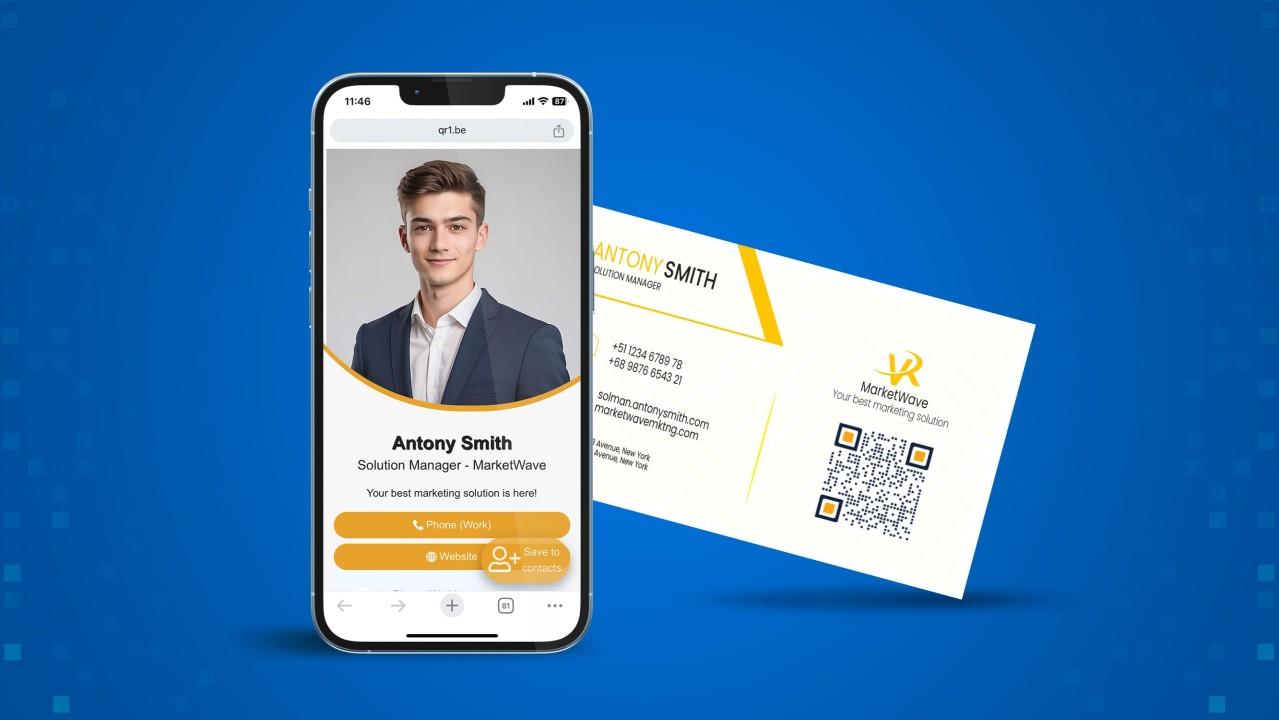
In an era dominated by digital communication and a growing emphasis on sustainability, the centuries-old tradition of exchanging paper business cards is undergoing a profound and rapid evolution. This transformation is being spearheaded by the innovative and fast-growing Digital Business Card industry, a sector dedicated to replacing the static, physical card with a dynamic, interactive, and eco-friendly digital alternative. At its core, a digital business card is much more than just a contact file; it is a rich, mobile-first micro-website that serves as a personal or professional landing page. It can contain not only basic contact information like a name, title, and phone number, but also a wealth of dynamic content, including a profile picture, company logo, social media links, embedded videos, document attachments, and a call-to-action button. This industry provides the platforms and tools that allow individuals and businesses to easily create, customize, and share these digital cards seamlessly, typically via a QR code, a link, or NFC technology, creating a more engaging, memorable, and trackable networking experience for the modern professional.
The ecosystem of the digital business card industry is a vibrant and competitive landscape populated by a large number of specialized software providers, often operating on a Software-as-a-Service (SaaS) model. These players can be broadly categorized into several groups. First are the direct-to-consumer (D2C) platforms, such as HiHello, Popl, and Blinq, which have gained significant traction by offering user-friendly mobile apps that allow individual professionals to quickly create and share a personal digital card, often through a freemium model. A second major category consists of enterprise-focused platforms. These companies, which include some of the same players offering enterprise tiers, provide a centralized dashboard for businesses to create, manage, and enforce brand consistency across the digital business cards of their entire sales team or workforce. These enterprise solutions often include advanced features like CRM integration and detailed analytics on card shares and views. A third, related part of the ecosystem includes companies that specialize in the physical-to-digital bridge, such as those producing NFC-enabled physical cards or tags that, when tapped on a smartphone, instantly open the user's digital business card, blending the tangible feel of a card with the power of a digital profile.
The functionality and services offered by the digital business card industry represent a quantum leap over the limitations of paper. The most fundamental service is the ability to create a rich, dynamic profile. Unlike a paper card, which is static from the moment it's printed, a digital card can be updated instantly. If a user changes their phone number, title, or company, they can update their digital card in seconds, and anyone who has their card will instantly see the new information. The sharing mechanism is another key function. Instead of carrying a stack of paper, a user can share their card with anyone, anywhere, by having the recipient scan a QR code on their phone's screen, by sending a simple URL link via text or email, or by using an NFC (Near Field Communication) tag. A critical service, particularly for business users, is the ability to capture lead information. When a user shares their card, the recipient can often enter their own contact details directly into the sender's app, which can then be automatically synced to a CRM system, streamlining the lead capture process and eliminating manual data entry.
The ultimate impact of the digital business card industry is its ability to transform a fleeting networking interaction into a more meaningful and trackable connection, all while promoting sustainability. For the individual, it provides a more modern, impressive, and memorable way to make a first impression. For the business, it offers significant benefits in terms of brand consistency, cost savings, and data analytics. An enterprise platform ensures that every employee's card adheres to the corporate brand guidelines. It eliminates the recurring cost and waste associated with printing thousands of paper cards, a significant sustainability win. Most importantly, it provides valuable data. A sales manager can see how many times their team's cards are being shared and viewed, which links on the cards are being clicked, and how many new leads are being generated. This transforms the humble business card from an unmeasurable networking tool into a data-driven component of the sales and marketing technology stack.
Explore More Like This in Our Regional Reports:
Data Center Life Cycle Services Market

 English
 Arabic
 French
 Spanish
 Portuguese
 Turkish
 Dutch
Dutch
 Italiano
 Russian
 Romaian
 Portuguese (Brazil)
 Greek
Greek