


Transforming Melbourne Homes: Creative Strategies for LED Lights on the Wall
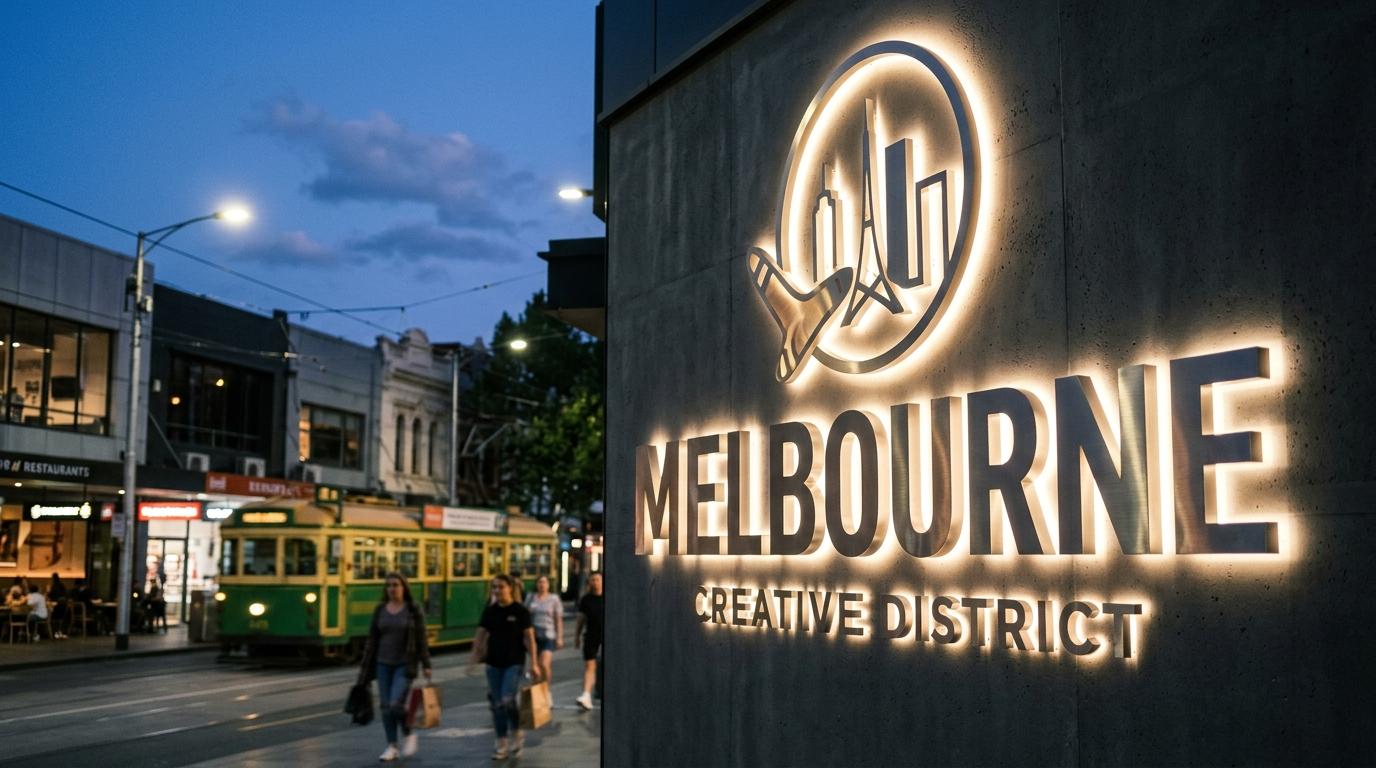
Melbourne’s interior design scene in 2026 has officially moved away from the stark, clinical minimalism of the early 2020s. Today, homeowners are embracing a philosophy of "emotional warmth," where spaces are designed to be tactile, personal, and deeply responsive to the city's unique climate. Central to this transformation is the creative use of LED lights on the wall in Melbourne, shifting from mere functional fixtures to sculptural elements that define the mood and architectural rhythm of a room.
Whether you are retrofitting a Victorian terrace in Fitzroy or styling a modern high-rise in the CBD, the strategy for wall-mounted lighting now focuses on layering. By combining linear LED strips, architectural grazing, and custom statement pieces, you can counteract the grey overcast of a Melbourne winter while highlighting the sophisticated textures of contemporary Australian design.
The 2026 Melbourne Aesthetic: Warm Neutrals and Layered Light
The definitive look for 2026 is anchored in a palette of earthy, "baked" neutrals—think terracotta, mustard, and deep espresso browns. Leading forecasts, such as the Dulux 2026 "Evoke" and "Elemental" palettes, emphasize colors like Baked Clay and Germania, which require specific lighting temperatures to truly shine. To complement these warm tones, Melbourne designers are moving away from single overhead "can" lights in favor of multiple wall-mounted sources that create depth without harsh shadows.
Layering your wall LEDs allows you to shift the ambiance of a room from a bright, productive workspace during the day to a soft, intimate retreat in the evening. This is particularly important in Melbourne's multi-functional open-plan living areas, where lighting must adapt to various activities throughout the week. Using high-quality LEDs with a high Color Rendering Index (CRI 95+) ensures that your chosen paint colors remain vibrant and true to life, rather than appearing washed out under artificial light.
| Feature | 2026 Trend Preference | Why it Works for Melbourne |
| :--- | :--- | :--- |
| Primary Palette | Warm Earthy Tones (Terracotta, Brown) | Counteracts cool, overcast outdoor light |
| Light Source | Integrated Wall Strips & Sconces | Eliminates flat overhead glare |
| Color Temperature | 2700K to 3000K (Warm White) | Creates a "hug-like" cozy atmosphere |
| Tech Requirement | CRI 95+ LEDs | Maintains integrity of high-end paint finishes |
Sculptural Integration: Custom Neon as Functional Wall Art
One of the most exciting shifts in 2026 is the emergence of "lighting as jewelry." Custom LED neon signs are no longer reserved for commercial bars or teenage bedrooms; they have become sophisticated focal points in mature residential designs. In Melbourne, these signs are often used as functional art, providing a soft ambient glow while making a bold personal statement. Instead of hanging a traditional framed print, homeowners are commissioning custom scripts or abstract geometric shapes that serve as the primary visual anchor of a lounge or dining area.
The beauty of modern LED neon is its durability and safety. Unlike traditional glass neon, these flexible silicone-based LEDs are cool to the touch and highly energy-efficient, making them ideal for homes with children or pets. When integrating these pieces, the key is to treat them as part of a larger lighting ecosystem. For instance, a soft-hued neon sign can be paired with subtle linear LED accents hidden in joinery to create a "halo" effect that makes the wall art appear to float.
-
Scripted Statements: Use custom typography to bring meaningful quotes or family names into the design.
-
Abstract Geometrics: Choose minimalist lines or curves to add a modern architectural edge to hallway walls.
-
Zonal Highlighting: Place a neon piece above a home bar or reading nook to define that specific zone in an open-plan room.
-
Interactive Art: Select Matter-enabled controllers that allow your neon to pulse or change intensity based on your music or time of day.
Elevating Textures: LED Grazing for Venetian Plaster and Wood Slats
The integration of LED lighting with high-end wall textures has reached a peak in 2026. Techniques like "wall grazing" are now standard for highlighting the artisan craftsmanship of Venetian plaster, limewash, or acoustic wood slat panels. By placing LED strips within slim aluminum channels very close to the wall (typically within 6 to 12 inches), the light strikes the surface at a steep angle, casting long shadows that emphasize every minute detail of the material's texture.
For the many Melbourne homes now featuring acoustic timber slats—popular for their sound-dampening properties in busy urban areas—LED strips are frequently recessed between the slats. This creates a striking vertical rhythm that can make ceilings feel higher and rooms feel more expansive. The choice between COB (Chip on Board) and SMD (Surface Mount Device) LEDs is crucial here; COB LEDs are preferred for 2026 installations because they provide a seamless, "dot-free" glow that is essential for a premium architectural finish.
-
Venetian Plaster: Use grazing to reveal the polished depth and mineral variations of the plaster.
-
Acoustic Slats: Install vertical COB strips between timber slats for a "waterfall" light effect.
-
Exposed Brick: Perfect for Melbourne’s industrial loft renovations to highlight the rugged history of the building.
-
Limewash Walls: Soften the glow with opal diffusers to enhance the chalky, organic feel of the finish.
Smart and Circadian: Programming Your Walls for Melbourne Winters
With the widespread adoption of the Matter and Thread protocols in 2026, smart lighting has finally become effortless. Melbourne homeowners are increasingly using "human-centric" or circadian lighting systems to manage the psychological effects of the city's long, dark winters. By programming your wall-mounted LEDs to mimic the natural cycle of sunlight—starting with cool, blue-toned light in the morning to boost alertness and transitioning to warm, amber tones in the evening—you can support your body's natural sleep-wake cycle even when the sun is hidden behind clouds.
Modern smart home hubs available in Australia, such as the latest Homey Pro or Apple Home systems, allow for complex automation that links wall lighting to the Bureau of Meteorology data. If a particularly gloomy day is forecast, your interior wall LEDs can automatically adjust their brightness and color temperature to compensate, helping to alleviate symptoms of Seasonal Affective Disorder (SAD). This level of integration turns your walls into an active participant in your daily wellbeing.
Benefits of Circadian Wall Lighting:
1. Morning Energy: Cool 5000K light suppressed melatonin and helps you wake up naturally.
2. Productivity Boost: Neutral 4000K light in home offices reduces eye strain during work hours.
3. Evening Relaxation: 2700K warm white prepares the brain for sleep by mimicking sunset.
4. Winter Wellness: High-intensity "happy" presets can provide light therapy during Melbourne's shortest days.
Sustainability and Efficiency: Navigating Victorian Energy Upgrades
Energy efficiency is no longer just a trend in Victoria; it is a regulatory and economic necessity. As of March 2026, new energy standards require all residential LED products to meet strict compliance benchmarks. For Melbourne residents, the Victorian Energy Upgrades (VEU) program continues to be a vital resource, offering rebates and discounts for households that switch from old halogen or incandescent systems to efficient LEDs. With average electricity prices in Melbourne hovering around 26.8 c/kWh in mid-2026, the long-term savings of a well-planned LED wall setup are substantial.
Upgrading to LEDs can reduce lighting-related energy consumption by up to 80%. When you consider that a typical Melbourne home might have dozens of wall-mounted accent lights, the cumulative impact on your quarterly bill is significant. Beyond the energy savings, high-quality 2026 LEDs are designed for longevity, often lasting upwards of 50,000 hours, which reduces the environmental waste associated with frequent bulb replacements.
| Metric (2026 Data) | Halogen Wall Light | LED Wall Light |
| :--- | :--- | :--- |
| Energy Consumption | 50W per fixture | 7W–10W per fixture |
| Average Lifespan | 2,000 hours | 50,000+ hours |
| Operating Temp | 200°C+ (Fire Risk) | ~60°C (Safe for all walls) |
| Est. Yearly Cost (Melbourne) | ~$75 per 5 fixtures | ~$12 per 5 fixtures |
| VEU Rebate Eligible | No | Yes (Selected products) |
Rent-Safe and Heritage-Smart: Damage-Free LED Installation
Melbourne's housing landscape is a mix of high-demand rental apartments and heritage-listed Victorian and Edwardian homes. Both of these housing types present unique challenges for wall lighting. For renters, the fear of losing a security deposit often discourages wall decor. However, 2026 has seen a surge in "no-drill" lighting technology. Using high-strength, damage-free adhesive channels and Matter-enabled plug-in sconces, renters can now create professional-looking accent lighting that peels away cleanly at the end of a lease.
For owners of heritage homes, the challenge is integrating modern technology without compromising the building's historical soul. This often involves "invisible" installations, such as hiding LED drivers inside existing decorative cornices or using paintable cord covers that blend into period-accurate wall moldings. When working with original brick or lath-and-plaster walls, mechanical fixing with small, discreet clips is often safer than adhesives, which can pull away delicate 100-year-old paint or plaster.
-
Command-Strip Channels: Use aluminum profiles with specialized 2026-grade adhesive backings for a permanent look that is temporary for renters.
-
Plug-In Sconces: Choose high-end fixtures that plug directly into wall outlets, eliminating the need for expensive and invasive hardwiring.
-
Driver Placement: For heritage renovations, locate LED transformers in accessible but hidden areas like pantries or hollow ceiling roses.
-
Battery-Powered Options: Utilize the latest rechargeable wall LEDs for areas where wiring is impossible, such as inside heritage cupboards or dark stairwells.

 English
 Arabic
 French
 Portuguese
 Deutsch
 Turkish
 Dutch
Dutch
 Italiano
 Russian
 Romaian
 Portuguese (Brazil)
 Greek
Greek