


How to Choose the Right Sign Stand in Melbourne for Your Business Needs
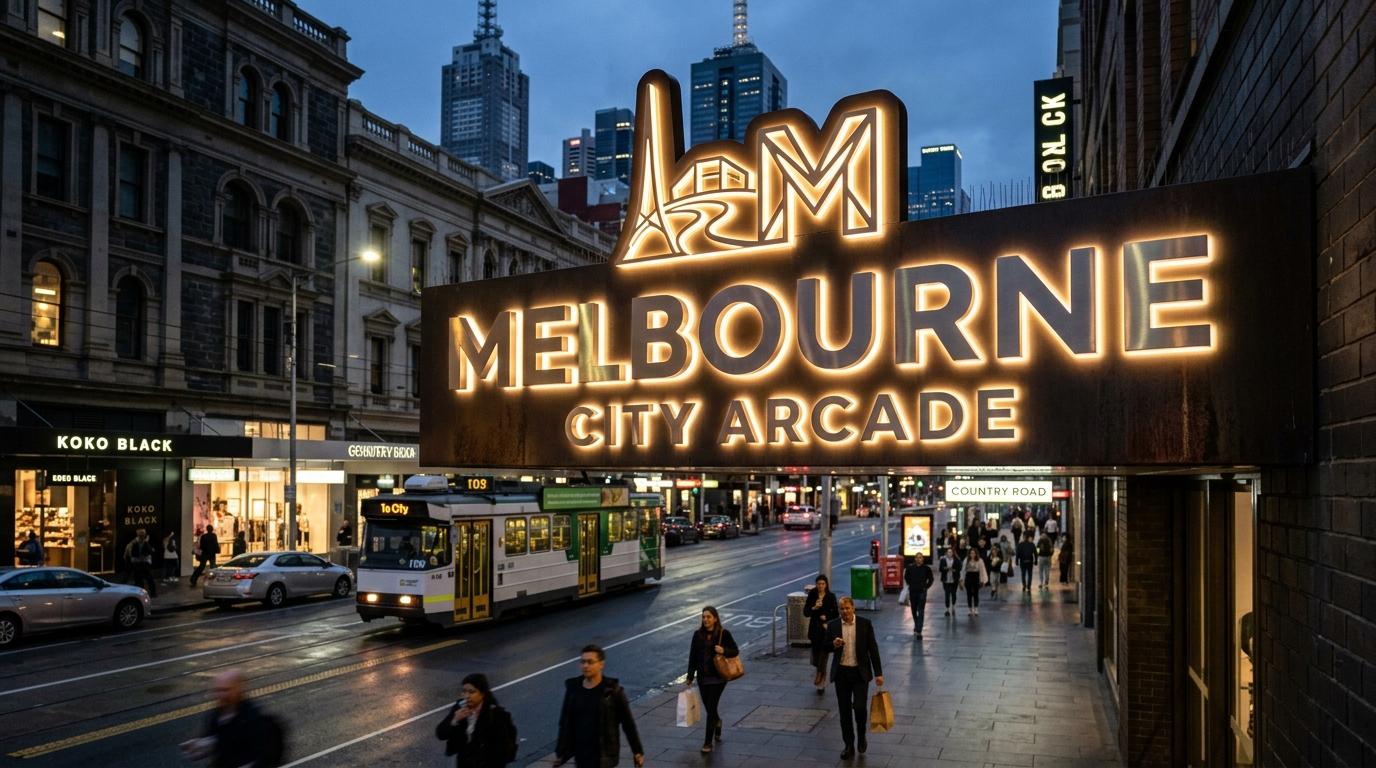
In the bustling commercial landscape of Melbourne, where the competition for foot traffic is as fierce as the wind in Docklands, your choice of a sign stand can be the difference between a new customer and a missed opportunity. Whether you are operating a boutique cafe in the laneways of Fitzroy, a retail flagship on Collins Street, or a stall at the Queen Victoria Market, your signage is a silent salesperson working 2026's most competitive shifts. A high-quality sign stand in Melbourne does more than just hold a graphic; it communicates professionalism, ensures safety, and survives the city's notoriously unpredictable weather.
Choosing the right hardware requires a strategic balance of aesthetics, durability, and legal compliance. As we navigate the trends of 2026, business owners are moving away from flimsy, disposable options in favor of modular, sustainable, and even digital solutions. This guide will walk you through the essential factors of selecting a sign stand that meets Melbourne’s unique urban and environmental demands while staying within the latest regulatory frameworks.
Navigating Melbourne’s Local Council Permits and Regulations
Before purchasing a sign stand in Melbourne, it is critical to understand the legal landscape. In 2026, the City of Melbourne and surrounding councils like Port Phillip and Yarra have tightened their Footway Trading and Activities Local Laws to ensure pedestrian flow remains unobstructed. For businesses in the CBD, the requirements are particularly stringent. For instance, the "No Advertising Board" zones have expanded, and placement on high-traffic thoroughfares like Swanston Street and parts of Elizabeth Street is heavily restricted to maintain safety and amenity.
Securing a permit is a non-negotiable step for any portable sign. As of mid-2026, a Portable Advertising Board Permit in the City of Melbourne typically carries an annual fee of approximately $1,002, which includes both the application and license fees. Furthermore, most Victorian councils now require business owners to hold public liability insurance with a minimum coverage of $20 million, specifically noting the placement of street furniture or signage. This ensures that if a sudden gust of wind moves your sign and causes property damage or injury, you are legally protected.
| Requirement Type | Standard Specification (Melbourne CBD 2026) |
| :--- | :--- |
| Permit Fee | ~$1,002 (Application + License) |
| Liability Insurance | $20 Million Minimum |
| Max Sign Height | 1200mm (in 0-60km/h speed zones) |
| Max Sign Width | 600mm |
| Placement | Kerbside only, leaving at least 1.5m clear path |
| Restriction | No moving parts or external lights allowed |
Engineering for the "Four Seasons": Weatherproofing Your Signage
Melbourne’s weather is famous for delivering four seasons in one day, and your sign stand must be engineered to handle them all. High-wind zones, particularly in the Southbank and Docklands precincts, can turn a standard A-frame into a dangerous projectile if it lacks sufficient ballast. When selecting a sign stand in Melbourne, look for "wind-smart" designs that incorporate heavy-duty bases or spring-loaded frames. These features allow the sign to deflect wind pressure rather than resisting it until it tips over.
Beyond wind, UV exposure and coastal salt air are the primary enemies of signage longevity. In 2026, powder-coated aluminum has become the gold standard for Melbourne businesses. Unlike standard steel, which can rust within months if the paint is chipped, aluminum is naturally corrosion-resistant. This makes it ideal for the humid and salty conditions found near Port Phillip Bay. For those in high-vandalism areas, applying an anti-graffiti coating to the stand's frame can save thousands in replacement costs, allowing aerosol paints to be wiped away with simple solvents without damaging the underlying finish.
-
Weighted Bases: Use hollow plastic bases that can be filled with water or sand (reaching up to 15-20kg).
-
Spring Mechanisms: Pivot-style stands with heavy-duty springs absorb kinetic energy from sudden gusts.
-
Mesh Substrates: If using a large-format stand, consider mesh banners that allow airflow through the material.
-
UV Protection: Ensure all hardware and printed graphics are rated for high-UV Australian conditions to prevent fading.
Material Matters: Comparing Aluminum, Steel, and Recycled Plastics
The material of your sign stand dictates its weight, portability, and environmental footprint. In 2026, there is a clear shift toward sustainable materials as Melbourne consumers increasingly favor eco-conscious brands. Recycled plastic stands, such as those made from high-density polyethylene (HDPE), offer incredible durability and are virtually immune to the rot or rust that plagues wood or low-grade metals. These are particularly popular for outdoor markets and botanical settings where a natural aesthetic is preferred.
However, for most retail and hospitality businesses, the choice often comes down to aluminum versus steel. Steel stands provide the weight needed for stability but can be a burden for staff who must move them inside every evening. Aluminum offers a lightweight alternative that is easier to handle while providing superior resistance to the "Melbourne damp." Many modern stands now utilize a hybrid approach: an aluminum frame for the display and a weighted steel or plastic base for a low center of gravity.
-
Powder-Coated Aluminum: Best for daily use; lightweight, rust-proof, and professional.
-
Galvanized Steel: Best for high-impact or permanent outdoor locations; very heavy and sturdy.
-
Recycled HDPE: Best for eco-friendly branding; impact-resistant and great for wet weather.
-
Acrylic: Best for indoor or semi-sheltered areas; ideal for sleek neon sign displays or "light boxes."
Portable Solutions for Melbourne Events and Markets
Melbourne is Australia’s event capital, and the demand for portable signage stands at venues like the Melbourne Convention and Exhibition Centre (MCEC) or the Royal Exhibition Building is constant. For exhibitors and market stallholders, portability is the top priority. A sign stand in Melbourne for event use must be collapsible, fit into a standard vehicle, and be assembled in under two minutes without specialized tools.
Telescoping pedestal stands and high-quality pull-up banners are the workhorses of the event industry. In 2026, the trend has moved toward "modular" stands where the hardware remains constant, but the graphic inserts can be swapped out for different promotions. This is not only cost-effective but also reduces waste. When planning for a major event, always check the venue's specific rigging and floor-standing rules; for example, the MCEC has strict guidelines regarding the footprint of free-standing displays to ensure fire safety compliance and clear egress paths.
1. Transportability: Ensure the stand comes with a padded carry bag and weighs under 10kg if it needs to be carried long distances.
2. Ease of Assembly: Look for tool-free designs with "snap-lock" or "thumb-screw" mechanisms.
3. Graphic Versatility: Choose hardware that accepts various substrates like corflute, PVC, or foam board.
4. Stability: For indoor events with high foot traffic, choose "H-base" or "flat-plate" bases that minimize trip hazards.
The Rise of Digital and Minimalist Sign Stands in 2026
The visual landscape of Melbourne retail is undergoing a minimalist transformation. As seen in trending districts like Chapel Street and South Yarra, the cluttered signage of the past is being replaced by sleek, integrated designs. Minimalist sign stands often feature thin profiles, hidden fasteners, and brushed metal finishes like brass or matte black. This "less is more" approach aligns with the high-end aesthetic of modern Melbourne architecture and interior design.
Simultaneously, digital A-frame stands have become a mainstream choice for businesses that need to update their messaging frequently. These battery-powered units can run for up to 14 hours on a single charge and offer high-brightness screens (often 450-1000 NITS) that remain readable even in direct sunlight on the sidewalk. While the initial investment for a digital sign stand is higher—ranging from $2,500 to $8,000 in 2026—the ability to run video content or schedule different menus for breakfast, lunch, and dinner provides a significant return on investment through increased customer engagement.
-
Integrated Power: Modern digital stands feature internal batteries, eliminating the need for hazardous cables across the footpath.
-
Cloud Management: Update your street-level promotions from a smartphone or office computer instantly.
-
Slimline Profiles: Minimalist metal stands take up less physical space while providing a premium look.
-
Interactive Elements: Many 2026 stands incorporate QR codes or NFC chips into the frame design for easy mobile interaction.
Accessibility and Safety Compliance in Public Spaces
In the pursuit of visibility, it is easy to forget that a sign stand is a physical object in a public space. Melbourne’s accessibility standards, governed by AS 1428.1, are designed to ensure that the city remains navigable for everyone, including people with vision impairments or mobility aids. A poorly placed or designed sign stand can become a dangerous obstacle. In 2026, compliance officers are more active than ever, checking that signage does not encroach on the "Pedestrian Zone"—the clear path of travel usually located closest to the building line.
Safety compliance also extends to the physical design of the stand. Sharp edges, protruding legs, or flimsy construction that could lead to a collapse are major liabilities. The most compliant stands feature rounded corners and "luminance contrast," which means the color of the stand should stand out significantly from the pavement to be easily detected by those with low vision. Furthermore, if you are using a stand inside a commercial building, ensure it does not block access to emergency exits, fire extinguishers, or braille wayfinding signs.
| Compliance Factor | Requirement for Melbourne Signage |
| :--- | :--- |
| Luminance Contrast | Stand color should contrast by at least 30% with the ground. |
| Trip Hazards | Bases must be low-profile or clearly marked; no legs extending into the path. |
| Blind Safety | Signs must be detectable by a cane (usually having a base bar near the ground). |
| Emergency Paths | Minimum 1.5m to 2.0m clearance required depending on the council area. |
| Stability | Must remain upright in winds up to 40km/h for standard street use. |
Conclusion
Choosing the right sign stand in Melbourne is a multifaceted decision that involves more than just picking a frame from a catalog. It is an investment in your brand’s resilience against the elements and its standing within the local community and legal framework. By prioritizing high-quality materials like powder-coated aluminum, staying ahead of 2026's digital and minimalist trends, and ensuring strict adherence to council permits and accessibility standards, you can secure a display that is both effective and enduring.
As Melbourne continues to evolve into a smarter, more sustainable city, your business signage should reflect those values. Whether you opt for a heavy-duty weather-resistant A-frame or a cutting-edge digital display, the right choice will help you cut through the noise of the CBD and welcome customers into your space with confidence. Remember: a great sign might get someone to look, but a professional, well-placed stand tells them your business is a permanent and reliable part of the

 English
 Arabic
 French
 Spanish
 Portuguese
 Deutsch
 Turkish
 Dutch
Dutch
 Russian
 Romaian
 Portuguese (Brazil)
 Greek
Greek