


NCV Test in Bangalore: Everything You Need to Know About This Vital Diagnostic Tool
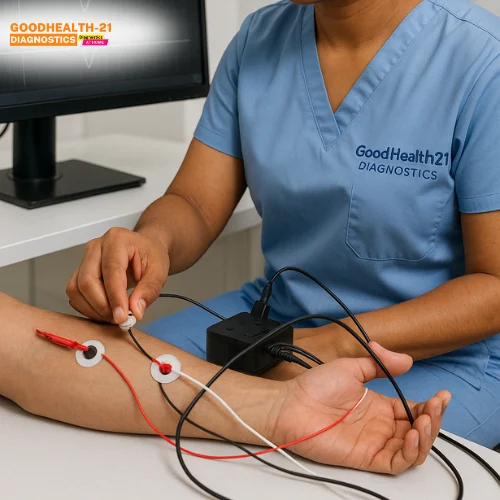
When it comes to diagnosing nerve-related conditions, modern medicine offers a powerful and insightful tool — the NCV Test in Bangalore. If you're experiencing numbness, tingling, or persistent muscle weakness, your doctor might recommend this diagnostic test to evaluate the function of your nerves. Conducted across various diagnostic labs, including EcoTown Diagnostics, this test is critical for early detection and management of nerve disorders.
Whether you're looking to understand the basics or want to prepare yourself for the test, this guide will walk you through everything you need to know. From how the test works to what you should expect before, during, and after the procedure — we've got it covered.
Understanding the NCV Procedure
What is an NCV Test?
NCV stands for Nerve Conduction Velocity. This test measures how quickly electrical signals travel through your peripheral nerves. It’s often used in combination with electromyography (EMG) to assess both nerve and muscle function.
By applying mild electrical pulses to your skin, the NCV test helps identify:
-
Nerve damage or dysfunction
-
The location of nerve injury
-
The severity and type of nerve-related condition
Why Might a Doctor Recommend It?
Doctors typically recommend this test when patients show symptoms of:
-
Peripheral neuropathy
-
Carpal tunnel syndrome
-
Sciatica
-
Herniated discs
-
Diabetes-related nerve damage
-
Guillain-Barré syndrome
The results help narrow down the diagnosis and guide treatment decisions.
Preparing for the Test
How to Get Ready
Unlike other diagnostic tests that require fasting or special diets, preparing for an NCV test is quite simple:
-
Avoid applying lotions or creams to the area being tested.
-
Inform your doctor if you have a pacemaker or any implanted device.
-
Wear comfortable, loose clothing to allow easy access to testing areas.
What Happens During the Test?
During the procedure, small electrodes are attached to your skin. One electrode sends a mild electric impulse, and the other records the signal. This helps measure how fast the signal travels between the two points.
The entire test usually lasts between 30 to 60 minutes and causes minimal discomfort. Some patients describe the sensation as a quick tingling or buzzing feeling.
Benefits of Taking the Test
Why Is This Test Important?
An NCV test can be critical in preventing serious complications by catching nerve disorders early. Here's why it matters:
-
Accurate diagnosis: Helps pinpoint the exact location and type of nerve damage.
-
Tailored treatment plans: Enables doctors to create a specific plan based on the diagnosis.
-
Non-invasive: No surgery or anesthesia is involved.
-
Quick results: Often available within 24–48 hours.
Conditions Detected by the NCV Test
While primarily used for diagnosing nerve injuries, this test also helps in managing conditions such as:
-
Diabetic neuropathy
-
Amyotrophic lateral sclerosis (ALS)
-
Myasthenia gravis
-
Radiculopathy
-
Brachial plexopathy
What to Expect After the Test
Are There Any Side Effects?
The test is generally safe and well-tolerated. Some people may experience mild soreness or tingling at the electrode sites, but these effects are temporary and go away quickly.
When Will I Get My Results?
Results are usually interpreted by a neurologist and shared with you within a few days. Your healthcare provider will explain the implications and discuss the next steps.
Where to Get an NCV Test
If you’re looking for a reliable center for this diagnostic procedure, consider NCV Test in Bangalore at EcoTown Diagnostics. Known for its state-of-the-art equipment and patient-friendly approach, it’s a top choice for nerve conduction studies in the city.
Final Thoughts
Understanding your symptoms and seeking timely testing can make a huge difference in your health journey. The NCV Test in Bangalore is more than just a diagnostic tool — it’s a gateway to proactive nerve care. If you’re experiencing symptoms that point to nerve dysfunction, don't delay. A quick, painless, and insightful test could be the key to getting your health back on track.
FAQs About Nerve Conduction and Diagnostic Testing
1. What does a nerve conduction test detect?
A nerve conduction test helps detect damage or dysfunction in peripheral nerves. It identifies whether the issue lies in the nerve itself, the surrounding muscle, or the connection between the two.
2. Is the test painful?
Most patients feel only a mild tingling or tapping sensation. While it might be slightly uncomfortable, it's generally not painful.
3. Can this test diagnose carpal tunnel syndrome?
Yes, it is one of the most commonly used tests to confirm carpal tunnel syndrome and determine its severity.
4. Who performs the test?
A trained neurologist or a certified technician under medical supervision typically performs the test.
5. How long does the test take?
The test usually takes between 30 to 60 minutes, depending on how many nerves need to be tested.
6. Do I need to avoid any medications before the test?
In most cases, medications don’t interfere with the test, but always inform your doctor about what you're taking.

 English
 Arabic
 French
 Spanish
 Portuguese
 Turkish
 Dutch
Dutch
 Italiano
 Russian
 Romaian
 Portuguese (Brazil)
 Greek
Greek