


How Digital Healthcare Is Transforming Patient Care Across the GCC
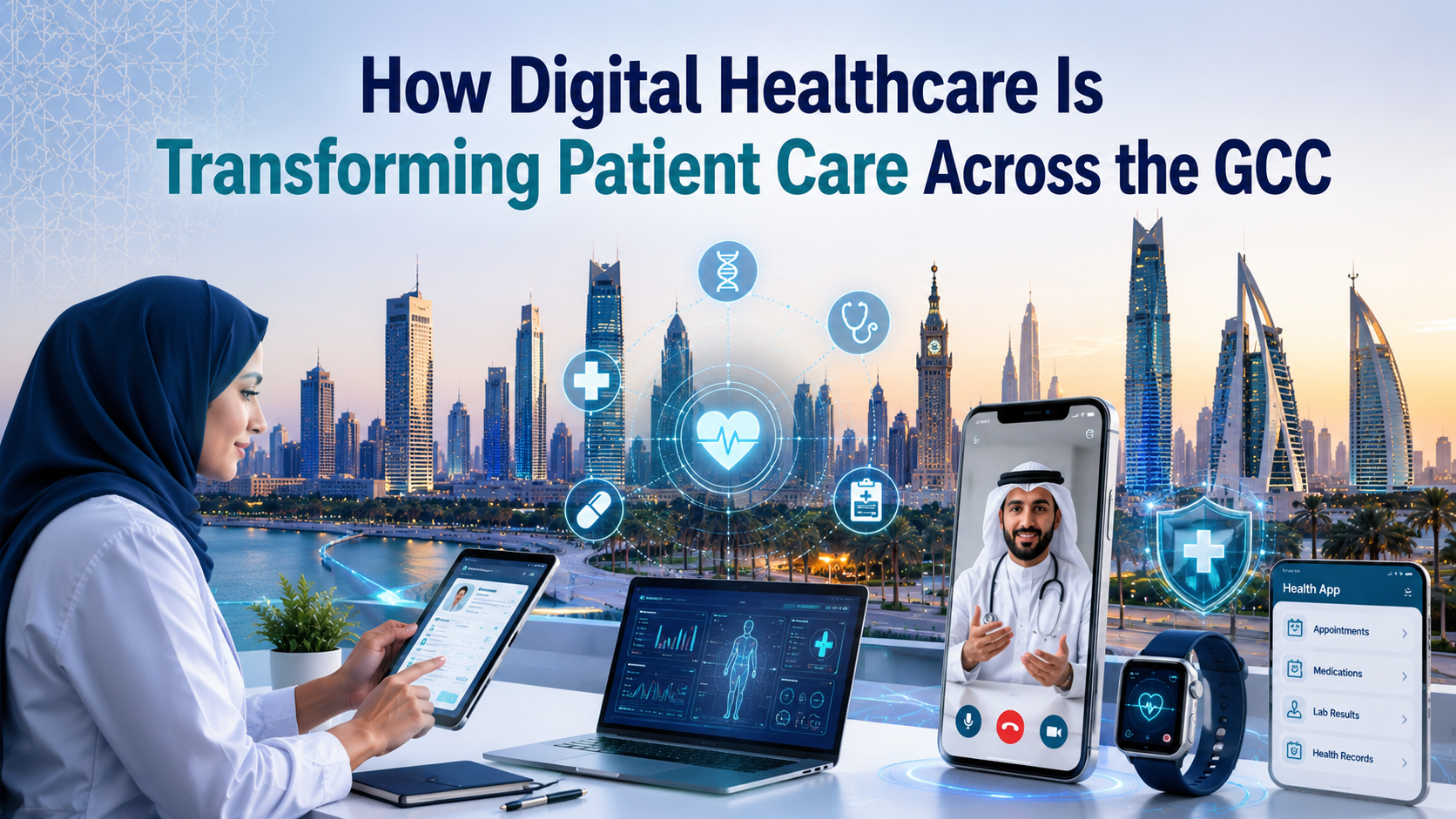
Digital healthcare is becoming a defining feature of healthcare modernization across the Gulf Cooperation Council (GCC). Governments, healthcare providers, and technology companies are investing in digital solutions that improve accessibility, efficiency, and patient outcomes. From telemedicine platforms to electronic health records and remote monitoring systems, healthcare delivery is increasingly moving beyond traditional clinical settings.
The growing adoption of connected healthcare technologies is helping GCC countries address rising healthcare demand while supporting long-term national development goals. As healthcare systems become more data-driven, digital tools are enabling faster diagnosis, better care coordination, and improved patient engagement. These developments are reshaping how healthcare services are delivered across the region.
According to a GCC digital healthcare market report, the industry is projected to reach USD 13.34 billion by 2032, growing at a CAGR of around 12.5% during the forecast period. The rapid expansion reflects increasing investments in healthcare technology, digital infrastructure, and patient-centric healthcare models.
Government-Led Digital Transformation Is Accelerating Adoption
Government initiatives remain one of the strongest drivers of digital healthcare adoption across the GCC. Countries such as Saudi Arabia, the United Arab Emirates, Qatar, and Bahrain have incorporated healthcare digitalization into their broader economic diversification and smart city strategies. National healthcare transformation programs are encouraging the adoption of telehealth services, health information exchanges, and digital patient management systems.
Healthcare authorities are also introducing regulatory frameworks that support digital innovation while ensuring patient privacy and cybersecurity. These policies are creating an environment where healthcare providers can confidently invest in advanced technologies that enhance care delivery and operational efficiency.
The increasing focus on digital health aligns with broader global healthcare trends. The National Center for Biotechnology Information (NCBI) highlights that digital healthcare technologies are improving disease management, expanding remote care capabilities, and supporting more personalized treatment approaches across healthcare systems worldwide.
Telemedicine Is Expanding Healthcare Accessibility
Telemedicine has emerged as one of the most visible components of digital healthcare across the GCC. Virtual consultations allow patients to access medical expertise without traveling to healthcare facilities, improving convenience and reducing waiting times. This capability is particularly valuable for patients living in remote locations or managing chronic health conditions.
The widespread adoption of smartphones and high-speed internet connectivity has further strengthened telehealth utilization. Healthcare providers are increasingly integrating virtual care services into their patient engagement strategies, enabling continuous communication between physicians and patients.
Beyond routine consultations, telemedicine platforms are supporting specialist referrals, mental health services, follow-up appointments, and remote monitoring programs. These capabilities contribute to more efficient healthcare systems while enhancing patient satisfaction and continuity of care.
Artificial Intelligence and Data Analytics Are Enhancing Care Delivery
Artificial intelligence (AI) and healthcare analytics are playing an increasingly important role in GCC healthcare systems. Healthcare organizations are leveraging AI-powered tools to improve diagnostic accuracy, identify disease risks earlier, and support clinical decision-making.
Advanced analytics platforms help healthcare providers process large volumes of patient information, enabling more personalized treatment plans and improved population health management. Predictive analytics can assist hospitals in optimizing resource allocation, managing patient flow, and reducing operational inefficiencies.
Remote Monitoring and Connected Care Are Gaining Momentum
Remote patient monitoring is becoming a critical component of digital healthcare strategies throughout the GCC. Connected medical devices and wearable technologies allow healthcare professionals to track patient health data in real time, enabling earlier intervention when health issues arise.
Patients with chronic conditions such as diabetes, cardiovascular diseases, and respiratory disorders benefit significantly from continuous monitoring solutions. These technologies reduce the need for frequent hospital visits while providing clinicians with valuable insights into patient health trends.
The growing popularity of connected care solutions is also supporting preventive healthcare approaches. By identifying potential health concerns before they become severe, healthcare providers can improve outcomes while reducing overall healthcare costs.
The Future of Digital Healthcare in the GCC
The future of digital healthcare across the GCC is expected to be shaped by continued innovation, stronger healthcare connectivity, and deeper integration of emerging technologies. Artificial intelligence, cloud-based healthcare systems, digital therapeutics, and interoperable health platforms are likely to become increasingly important components of healthcare delivery.
Healthcare organizations are also expected to prioritize cybersecurity, data governance, and patient privacy as digital ecosystems expand. Investments in healthcare infrastructure, combined with supportive government policies, are creating favorable conditions for long-term digital healthcare growth.
As healthcare systems continue evolving, digital healthcare technologies will play a central role in improving patient experiences, expanding access to care, and supporting more efficient healthcare operations throughout the GCC. The region's commitment to healthcare modernization positions it as an important contributor to the global digital health transformation.

 English
 Arabic
 French
 Portuguese
 Deutsch
 Turkish
 Dutch
Dutch
 Italiano
 Russian
 Romaian
 Portuguese (Brazil)
 Greek
Greek