


Where Is Yongsheng Cable Protector Ramp Used Beyond Industrial Sites?
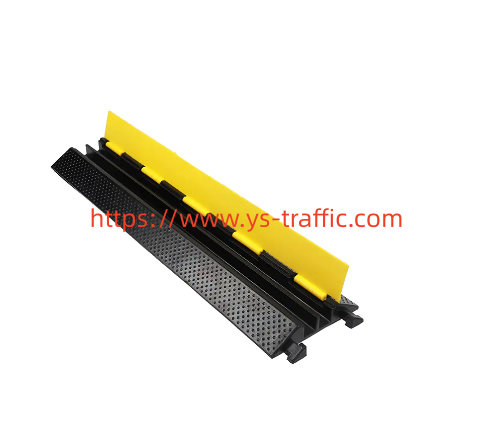
Cable Protector Ramp products are widely used in locations where electrical lines, communication connections, or utility hoses need protection from pedestrian and vehicle traffic. As modern industries become increasingly dependent on temporary and permanent infrastructure systems, protecting exposed connections has become an important part of operational planning. Various sectors use these solutions to help maintain organization, reduce unnecessary wear, and support safer movement throughout active work areas.
The construction industry is one of the most common users of traffic crossing systems. Temporary power supplies, lighting installations, and equipment connections are often distributed throughout project sites. Workers, service vehicles, and machinery operate simultaneously in changing environments. Proper protection methods help maintain accessibility while supporting daily site activities.
Warehousing and logistics facilities also rely heavily on these products. Distribution centers use scanners, automated equipment, charging stations, and communication networks that require dependable utility routing. Frequent movement from forklifts, pallet movers, and employees creates conditions where exposed lines may require additional protection. Organized pathways can contribute to smoother daily operations.
Event management represents another major application area. Concerts, exhibitions, sporting events, trade fairs, and outdoor festivals often depend on temporary electrical and data infrastructure. Lighting systems, sound equipment, display technologies, and broadcasting devices require numerous connections across public spaces. Flexible traffic crossing solutions are commonly selected because layouts often change throughout event preparation and operation.
Manufacturing facilities frequently integrate these products into production environments. Modern factories use a wide range of equipment requiring power and communication connections. Material handling vehicles, maintenance teams, and production personnel share operational spaces throughout the day. Effective routing strategies can help reduce interference between utility lines and facility traffic.
Transportation facilities are also regular users. Airports, railway stations, bus terminals, and maintenance depots often require temporary infrastructure support during upgrades, inspections, and repair projects. High levels of pedestrian activity and vehicle movement make organized routing an important operational consideration.
Commercial properties regularly utilize these solutions during maintenance activities and special projects. Shopping centers, convention facilities, office complexes, and educational campuses may require temporary access to power or communication systems. Flexible deployment allows facility managers to adapt infrastructure arrangements without major disruptions.
Utility service providers frequently depend on traffic management products while conducting field operations. Telecommunications projects, public infrastructure improvements, roadside maintenance activities, and inspection work often involve exposed service lines. Temporary protection systems can help crews maintain access while supporting project efficiency.
Healthcare facilities occasionally use these products during renovation projects, technology upgrades, and equipment installation programs. Hospitals and medical centers often require infrastructure work to be completed while maintaining daily operations. Organized routing methods can help accommodate temporary requirements without significantly affecting facility accessibility.
Entertainment venues and sports complexes are additional examples. Temporary installations for live productions, seasonal events, media operations, and facility upgrades often require practical methods for managing exposed connections in areas accessed by large numbers of visitors.
As industries continue expanding their reliance on electrical and communication infrastructure, the need for practical traffic management solutions remains important. Different sectors may have different operational requirements, but all benefit from equipment designed to support organization, accessibility, and efficient infrastructure management.
Yongsheng supplies traffic safety products for construction projects, industrial facilities, logistics operations, public venues, transportation infrastructure, and commercial environments. Selecting products based on actual site conditions and traffic patterns can help organizations address operational requirements more effectively. Additional information about available solutions can be found at https://www.ys-traffic.com/

 English
 Arabic
 French
 Spanish
 Portuguese
 Deutsch
 Dutch
Dutch
 Italiano
 Russian
 Romaian
 Portuguese (Brazil)
 Greek
Greek