


The Technical Architecture Behind Successful RWA Tokenization Platform Development
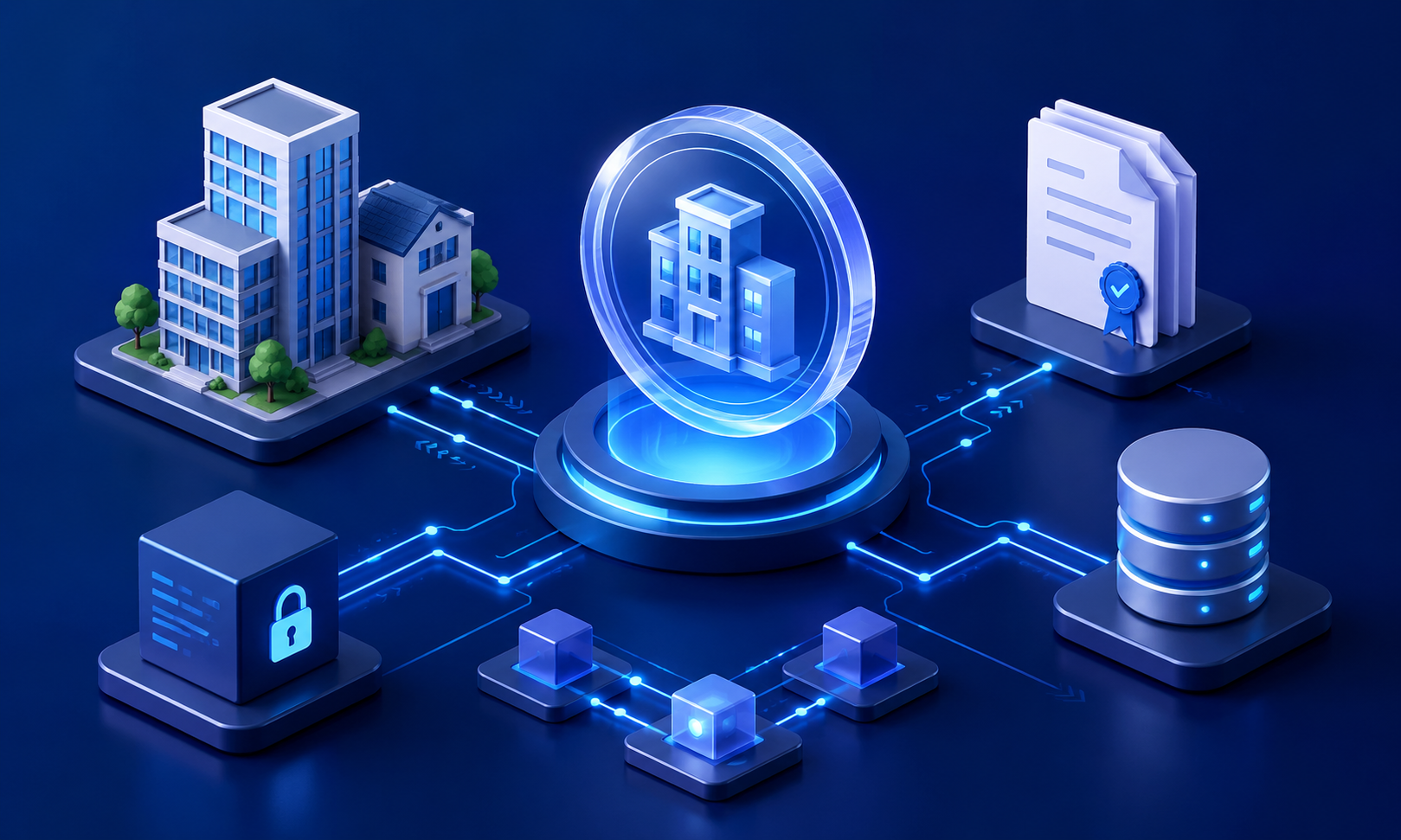
The financial sector is witnessing growing interest in the tokenization of physical and financial assets. From commercial real estate and private equity to commodities and fine art, organizations are evaluating ways to represent ownership through blockchain-based tokens. This movement has increased the demand for RWA Tokenization platforms that can support asset issuance, compliance management, ownership tracking, and secondary market participation.
While many discussions focus on investment opportunities and market potential, the technology stack behind a successful platform often receives less attention. A well-designed architecture determines how assets are onboarded, how transactions are processed, how regulations are addressed, and how investors interact with tokenized assets.
For businesses entering this market, understanding the technical foundation of rwa tokenization platform development is necessary. Every component, from blockchain infrastructure to compliance modules, contributes to platform performance and operational reliability. This article examines the architecture, modules, and development considerations involved in creating a Real World Asset Tokenization platform.
Understanding RWA Tokenization Architecture
RWA Tokenization refers to the process of converting ownership rights of physical or traditional financial assets into blockchain-based digital tokens. These tokens represent fractional or full ownership and can be transferred, traded, or managed through blockchain networks.
A complete architecture generally consists of several interconnected layers:
- Asset Management Layer
- Compliance and Verification Layer
- Smart Contract Layer
- Blockchain Network Layer
- Data Storage Layer
- Investor Management Layer
- Marketplace Layer
- Security Layer
- Integration Layer
Each layer performs a specific function and contributes to the overall operation of the platform.
Asset Management Layer
The asset management layer acts as the entry point for assets being tokenized. Before token creation begins, information about the asset must be collected, verified, and organized.
This layer usually handles:
- Asset registration
- Ownership documentation
- Valuation records
- Legal agreements
- Asset categorization
- Asset lifecycle management
For example, if a commercial property is being tokenized, documents such as title deeds, valuation reports, and ownership certificates are uploaded and reviewed before token issuance.
A reliable asset management module forms an important part of RWA Tokenizaion development because inaccurate asset records can create operational and legal complications later.
Compliance and Identity Verification Layer
Compliance remains one of the most significant aspects of Real World Asset Tokenization.
Tokenized assets frequently involve regulated financial activities. As a result, identity verification and investor screening mechanisms are integrated into the platform architecture.
Common compliance functions include:
KYC Verification
Know Your Customer procedures verify investor identity through:
- Passport validation
- Government ID verification
- Address verification
- Biometric checks
AML Screening
Anti-Money Laundering systems review participants against:
- Global watchlists
- Sanctions databases
- Politically exposed persons databases
Jurisdiction-Based Restrictions
Different countries impose different investment regulations. Platforms often restrict participation based on geographic and regulatory requirements.
A professional RWA Tokenization Company generally integrates third-party compliance providers to automate these processes.
Smart Contract Layer
Smart contracts represent the operational logic of the tokenization platform.
These blockchain programs manage:
- Token issuance
- Ownership transfers
- Dividend distributions
- Asset redemption
- Investor permissions
- Governance functions
Without smart contracts, token ownership would require manual processing, reducing efficiency and increasing administrative workloads.
Functions Managed by Smart Contracts
Token Minting
Creates asset-backed tokens after asset approval.
Ownership Transfer
Records ownership changes on-chain.
Revenue Distribution
Allocates profits, rental income, or dividends to token holders.
Voting Rights
Supports governance participation for investors.
Asset Redemption
Processes buybacks and token redemption events.
Many RWA tokenization development company teams conduct extensive contract audits because vulnerabilities can expose assets and investor funds to risks.
Blockchain Infrastructure Layer
The blockchain layer serves as the transaction and ownership ledger.
Different projects select different blockchain networks depending on operational requirements.
Popular blockchain options include:
Ethereum
Widely used for tokenized assets due to its smart contract ecosystem.
Polygon
Offers lower transaction costs and compatibility with Ethereum-based tools.
Avalanche
Suitable for enterprise asset tokenization projects.
Stellar
Often used for financial asset issuance.
Permissioned Blockchains
Private blockchain environments can be selected for institutions requiring restricted network participation.
The blockchain choice influences transaction speed, cost, security controls, and regulatory considerations.
Token Standard Framework
Token standards define how digital assets operate.
Several standards are commonly used within RWA tokenization development services.
ERC-20
Used for fungible assets where every token has identical value.
Examples include:
- Tokenized commodities
- Fund shares
- Revenue-sharing tokens
ERC-721
Used for unique assets.
Examples include:
- Individual properties
- Collectibles
- Rare assets
ERC-1400
Specifically designed for regulated security tokens.
Features include:
- Compliance controls
- Transfer restrictions
- Investor verification requirements
Selecting an appropriate token standard affects future platform functionality and compliance management.
Data Storage Architecture
Not all information should be stored directly on a blockchain.
Blockchain networks are expensive for large-scale data storage and may expose sensitive information.
As a result, many platforms use hybrid storage models.
On-Chain Storage
Used for:
- Ownership records
- Transaction history
- Smart contract states
Off-Chain Storage
Used for:
- Legal documents
- Property images
- Valuation reports
- Investor files
Technologies commonly used include:
- IPFS
- Distributed storage systems
- Cloud infrastructure
- Enterprise databases
This approach balances accessibility and operational costs.
Investor Management Layer
Investor interaction requires dedicated management systems.
This layer handles:
- Registration
- Wallet creation
- Portfolio management
- Investment tracking
- Transaction monitoring
A well-structured investor dashboard typically includes:
- Asset holdings
- Token balances
- Historical transactions
- Earnings reports
- Compliance status
Many organizations offering Real World Asset Tokenization Services prioritize investor experience because platform adoption often depends on ease of use.
Marketplace and Trading Layer
Once assets are tokenized, investors often expect secondary market participation.
The marketplace layer supports:
- Asset listings
- Buy orders
- Sell orders
- Trade matching
- Settlement processes
Marketplace Components
Trading Engine
Processes order matching.
Settlement Module
Finalizes ownership transfers.
Liquidity Management
Supports asset trading activity.
Pricing Mechanism
Maintains asset valuation information.
This component is particularly important for assets traditionally associated with limited liquidity.
Wallet Infrastructure
Digital wallets allow users to store and manage tokenized assets.
Wallet architecture generally includes:
Custodial Wallets
The platform manages private keys on behalf of investors.
Advantages:
- Simpler onboarding
- Easier account recovery
Non-Custodial Wallets
Investors maintain control of private keys.
Advantages:
- Greater ownership control
- Reduced custodial obligations
Wallet integration forms a major part of RWA token development because every token transaction depends on secure asset storage.
Security Architecture
Security considerations extend across every layer of the platform.
Several protection mechanisms are typically implemented.
Smart Contract Audits
Independent security reviews identify vulnerabilities before deployment.
Multi-Factor Authentication
Adds protection for user accounts.
Encryption Systems
Protects sensitive user and asset data.
Key Management
Secures wallet credentials and signing operations.
Continuous Monitoring
Detects suspicious activities and unusual transaction patterns.
A platform handling tokenized assets must maintain high security standards due to the financial value represented by the tokens.
API and Integration Layer
Modern tokenization platforms rarely operate in isolation.
Integration capabilities allow communication with external systems.
Common integrations include:
- KYC providers
- AML screening services
- Banking systems
- Payment gateways
- Custody providers
- Accounting software
- Asset valuation services
The API layer serves as the communication bridge between internal and external systems.
Organizations offering RWA Tokenization Services frequently develop custom APIs to support institutional requirements.
Asset Lifecycle Management Framework
Tokenized assets continue to evolve after issuance.
Lifecycle management covers activities such as:
Asset Onboarding
Initial registration and verification.
Token Issuance
Creation and allocation of digital tokens.
Asset Monitoring
Ongoing valuation and performance tracking.
Revenue Distribution
Periodic payments to investors.
Asset Disposal
Final sale or redemption event.
This framework supports long-term management rather than focusing solely on token issuance.
Governance Architecture
Many tokenized asset platforms incorporate governance mechanisms.
Governance systems can manage:
- Voting proposals
- Asset decisions
- Policy updates
- Investor resolutions
Common governance methods include:
Direct Voting
Every token holder participates.
Weighted Voting
Voting power depends on token ownership.
Delegated Voting
Investors assign voting rights to representatives.
Governance structures vary depending on asset type and regulatory requirements.
Analytics and Reporting Layer
Investors, administrators, and regulators require access to reporting functions.
Analytics systems typically provide:
- Transaction reports
- Asset performance metrics
- Investor activity tracking
- Revenue distribution summaries
- Compliance records
Data visualization dashboards support operational monitoring and decision-making.
For enterprises pursuing Real World Asset Tokenization Services, reporting capabilities often become a major requirement during platform planning.
Development Methodology for RWA Platforms
A structured development process helps reduce technical and operational issues.
Step 1: Asset Selection
Determine the asset categories being tokenized.
Step 2: Regulatory Assessment
Review applicable regulations.
Step 3: Blockchain Selection
Choose the network infrastructure.
Step 4: Smart Contract Development
Create token and transaction logic.
Step 5: Compliance Integration
Implement identity verification and AML systems.
Step 6: Security Testing
Perform contract audits and penetration testing.
Step 7: Marketplace Development
Create trading and ownership transfer functions.
Step 8: Deployment and Monitoring
Launch and continuously monitor platform activity.
These stages are commonly followed by organizations providing rwa tokenization platform development services.
Future Technical Considerations
As adoption increases, several technical trends are gaining attention.
These include:
- Cross-chain interoperability
- Institutional custody integration
- AI-supported compliance monitoring
- Automated asset valuation feeds
- Tokenized debt instruments
- On-chain governance frameworks
- Permissioned financial networks
Future platforms may combine multiple blockchain environments while maintaining regulatory controls and investor protections.
Conclusion
The success of a tokenization platform depends heavily on its technical architecture. Asset management systems, compliance frameworks, smart contracts, blockchain infrastructure, security mechanisms, marketplace functions, and integration capabilities must work together within a structured environment. Organizations entering the tokenized asset sector should evaluate every architectural layer carefully before beginning development. A well-planned approach to RWA Tokenization, Real World Asset Tokenization, RWA token development, and rwa tokenization platform development helps create a foundation that supports asset issuance, ownership management, compliance operations, and investor participation over the long term. Blockchain App Factory provides rwa tokenization platform development services designed to support businesses seeking secure and efficient digital asset ecosystems.

 Arabic
 French
 Spanish
 Portuguese
 Deutsch
 Turkish
 Dutch
Dutch
 Italiano
 Russian
 Romaian
 Portuguese (Brazil)
 Greek
Greek