


Do’s and Don’ts of Wound Dressing at Home
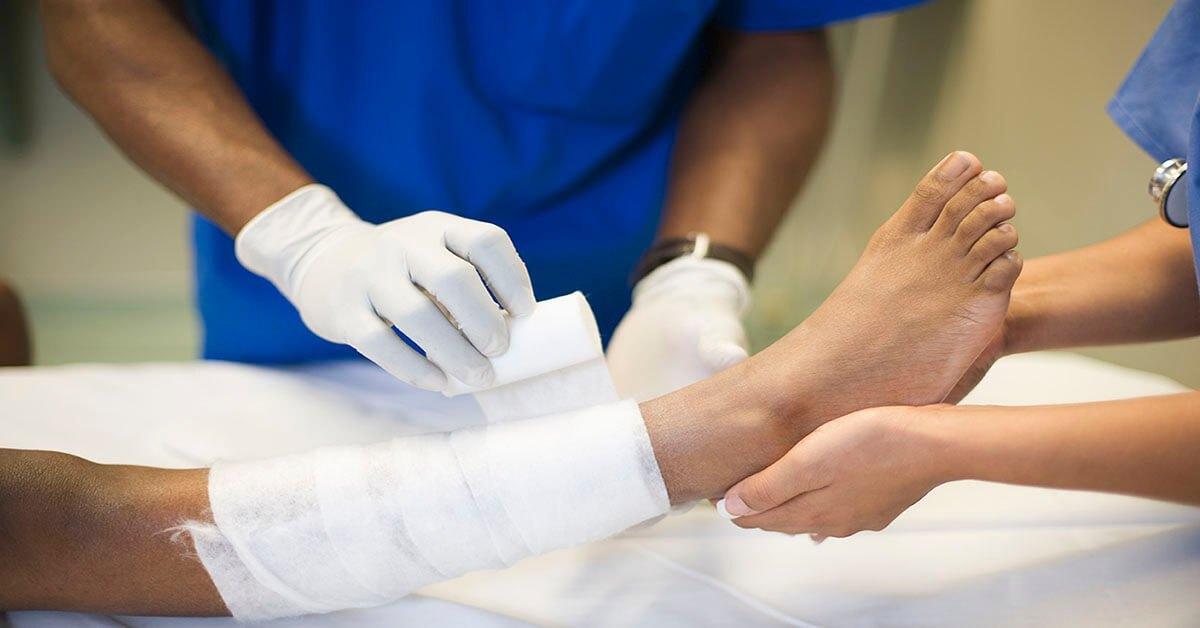
Proper wound care is essential for preventing infections, promoting faster healing, and reducing complications from cuts, scrapes, or post-surgical wounds. Many residents rely on Wound Dressing at Home in Dubai services for professional guidance and support during recovery. Consulting a Doctor at Home can provide valuable advice and hands-on assistance, but understanding the fundamental do’s and don’ts of home wound dressing empowers individuals to take proactive steps in maintaining a safe healing environment. Following these guidelines ensures both comfort and proper recovery while minimizing risks.
Do Understand the Type of Wound:
Before attempting any home care, identify the type of wound to determine the appropriate treatment. Minor cuts, scrapes, punctures, and post-surgical incisions may each require different approaches. Understanding the wound helps prevent improper care and ensures that healing proceeds safely. Key considerations include:
- Depth and severity of the wound
- Presence of stitches, staples, or adhesives
- Signs of bleeding or tissue damage
- Sensitivity of surrounding skin
Being informed allows for better decision-making and reduces the likelihood of complications.
Don’t Ignore Hand Hygiene:
A common mistake in home wound care is neglecting hand cleanliness. Bacteria from hands can easily infect a wound. Before touching a wound or dressing materials, follow these steps:
- Wash hands thoroughly with soap and warm water for 20 seconds
- Dry hands with a clean towel
- Wear sterile gloves if available
- Avoid touching your face or other surfaces during dressing changes
Maintaining strict hand hygiene significantly reduces the risk of infection.
Do Use Sterile Supplies:
Using sterile wound care supplies is essential to prevent contamination. Non-sterile materials can introduce bacteria and slow healing. Essential items to have on hand include:
- Sterile gauze pads
- Medical tape
- Antiseptic solution or wipes
- Non-stick wound dressings
- Adhesive bandages
- Disposable gloves
Ensuring supplies remain sterile until use helps maintain a safe wound environment.
Don’t Reuse Old Dressings:
Reusing used dressings or tapes can harbor bacteria and compromise healing. Always discard old materials in a sealed waste bag after changing the dressing. Reusing supplies increases the chance of infection and may prolong recovery. Proper disposal protects both the patient and household members from contamination.
Do Clean the Wound Gently:
Proper cleaning removes debris, bacteria, and excess fluids without damaging new tissue. Effective cleaning involves:
- Rinsing with clean water or sterile saline solution
- Using mild antiseptic solutions if recommended
- Patting dry gently with sterile gauze
- Avoiding harsh scrubbing or abrasive motions
Gentle cleaning preserves healing tissue and prepares the wound for a fresh dressing.
Don’t Use Harsh Chemicals:
Avoid using alcohol, hydrogen peroxide, or strong antiseptics directly on the wound unless specifically recommended by a healthcare professional. These substances can irritate the tissue, delay healing, and cause discomfort. Stick to mild antiseptics and follow professional instructions for safe wound care.
Do Change Dressings Regularly:
Regular dressing changes are critical for maintaining hygiene and monitoring healing progress. Guidelines for changing dressings include:
- Changing at least once daily or when the dressing is wet or dirty
- Observing for signs of infection such as redness or unusual discharge
- Ensuring the dressing is applied securely without being too tight
- Using a fresh, sterile dressing each time
Consistent changes prevent bacterial growth and keep the wound protected.
Don’t Delay Seeking Medical Help:
While many minor wounds can be managed at home, certain situations require professional assessment. Delaying care can lead to serious complications. Consult a Doctor at Home or healthcare provider if:
- The wound is deep, large, or bleeding excessively
- Signs of infection such as pus, swelling, or fever develop
- Pain increases unexpectedly
- Healing does not progress over several days
Timely professional guidance ensures that the wound receives proper care and reduces the risk of long-term issues.
Do Monitor for Infection:
Keeping a close eye on the wound during each dressing change helps detect problems early. Signs of infection to watch for include:
- Redness spreading beyond the wound edges
- Swelling or warmth around the wound
- Yellow or green discharge
- Unpleasant odor
- Persistent pain or tenderness
- Fever or chills
Prompt recognition allows for early intervention and prevents complications from worsening.
Don’t Ignore Lifestyle Factors:
Overall health plays a significant role in wound healing. Ignoring factors such as nutrition, hydration, and rest can delay recovery. Support healing by:
- Staying hydrated
- Eating a balanced diet rich in protein and vitamins
- Getting sufficient rest
- Avoiding smoking and excessive alcohol
- Protecting the wound from excessive movement or friction
Healthy habits strengthen the body’s natural repair processes and improve recovery outcomes.
Final Thoughts:
Mastering the do’s and don’ts of Wound Dressing at Home in Dubai helps ensure safe, effective, and comfortable recovery from minor injuries or post-surgical wounds. Following proper hygiene, using sterile supplies, applying gentle cleaning techniques, and monitoring for infection are key steps for optimal healing. When complications arise or wound care becomes challenging, consulting a Doctor at Home provides professional support and guidance, ensuring the best possible outcome for recovery while maintaining convenience and peace of mind.

 English
 Arabic
 French
 Spanish
 Portuguese
 Deutsch
 Turkish
 Italiano
 Russian
 Romaian
 Portuguese (Brazil)
 Greek
Greek