


The Book That Changes How We Think About Sustainable Living
Introduction: A New Way to See an Old Problem
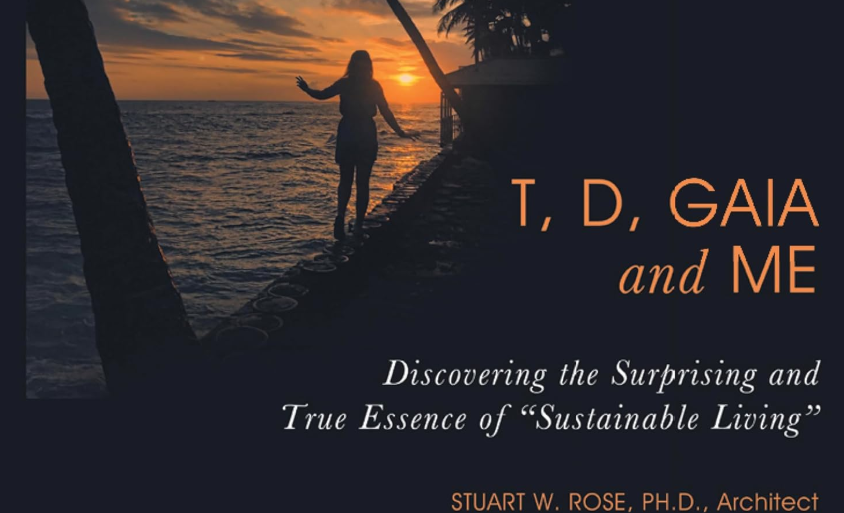
T, D, Gaia and Me is important because it encourages readers to rethink sustainable living from the ground up. For years, sustainability has often been explained as a duty, a warning, or a list of restrictions. People are told to consume less, waste less, drive less, and expect less. While these messages may be necessary, they can also make sustainability sound negative. This book offers a different perspective. It suggests that sustainable living can be a positive transformation in how we design, build, and experience life.
Moving Beyond the Word “Green”
The word “green” is used so often that many people no longer stop to think about what it means. Green homes, green products, green energy, and green lifestyles are everywhere in marketing. But the deeper question is whether these ideas truly change how we live. This book appears to go beyond surface-level eco-friendly language and asks readers to understand sustainability as a whole way of thinking.
That shift matters. Sustainable living is not only about buying a product with an eco-label. It is about changing the relationship between human needs and natural limits. It is about designing spaces and habits that support life instead of draining it. The book’s value is in making this broader idea easier to understand.
The Built Environment as a Life Choice
One of the strongest ideas connected to the book is that architecture and home design are not neutral. A house affects how much energy we use, how much water we waste, how healthy our indoor air is, and how connected we feel to nature. Most people think of a house mainly as a place to live. This book encourages readers to see a house as a system of choices.
When homes are designed poorly, they can become expensive to maintain and uncomfortable to inhabit. They may require constant heating, cooling, artificial lighting, and mechanical support. When homes are designed thoughtfully, they can work with sunlight, shade, air movement, plants, water, and land. This is not just technical design; it is a lifestyle philosophy.
The True Essence of Sustainable Living
The subtitle of the book refers to discovering the “surprising and true essence” of sustainable living. That phrase is important because it suggests that many people misunderstand sustainability. They may think it means living with less beauty, fewer choices, or lower comfort. The book challenges that misunderstanding.
A useful page reference can be added where the book first defines or explains this
“true essence”: This point is likely central to the book’s argument because it helps readers move from a narrow definition of sustainability to a richer one. Sustainable living becomes not only an environmental act but a human improvement.
A Book That Makes the Reader Participate
The book seems to invite readers to participate rather than simply agree. It does not treat sustainability as something only governments or scientists can address. Instead, it places the reader inside the problem and the solution. Every home, every design choice, and every daily habit becomes part of the bigger picture.
That is why the book can attract readers. People are more likely to care when they can see their own role clearly. If sustainability feels too large, it becomes someone else’s responsibility. If it is connected to the reader’s home, health, and finances, it becomes immediate.
Why This Perspective Matters Now
At this point, readers who want to explore the book directly can Buy the Book At Amazon. Its message matters now because environmental issues are no longer distant predictions. Energy costs, heat waves, water challenges, and poor urban planning are already affecting many communities.
A book that changes how we think about sustainable living is valuable because thinking comes before action. If people see sustainability as punishment, they will resist it. If they see it as an opportunity to live more intelligently, they may welcome it.

Sustainability as Design Intelligence
One of the most useful ways to understand the book is to see sustainability as design intelligence. Good design does not fight nature. It learns from nature. It considers where the sun rises, how air moves, how water can be collected, how heat can be reduced, and how people can feel comfortable with fewer resources.
This kind of intelligence is not only for architects. Homeowners, builders, interior designers, and communities can all benefit from it. Even small changes in materials, lighting, ventilation, and landscaping can support a more sustainable way of life.
Emotional Value of the Book
Another reason the book can change thinking is its emotional tone. Sustainability is often discussed in numbers, targets, and warnings. Those are important, but they do not always reach the heart. By using “Gaia” and “Me” in the title, the book suggests a personal relationship with Earth.
That emotional connection is important because people protect what they feel connected to. A reader who sees Earth only as a resource may act differently from a reader who sees Earth as a living home. The book’s title itself helps create that feeling of relationship.
From Awareness to Responsibility
Awareness is the first step, but responsibility is the next. The book seems to guide readers toward a more responsible view of modern living. It does not ask people to abandon comfort. It asks them to question whether comfort must always come from wasteful systems.
This is a mature and practical message. People need homes, energy, water, and modern convenience. The question is how to meet those needs wisely.
Sustainable living becomes a responsible form of progress rather than a rejection of progress.
Conclusion: A Mindset Worth Sharing
T, D, Gaia and Me matters because it changes the conversation. It moves sustainable living away from fear, guilt, and confusion and brings it closer to hope, design, comfort, and meaning. It encourages readers to see their homes and habits as part of a larger living system.
The book’s importance is not only in what it teaches but in how it reframes the subject. It helps readers understand that sustainability is not simply about doing less harm. It is about learning how to live better.

 Arabic
 French
 Spanish
 Portuguese
 Deutsch
 Turkish
 Dutch
Dutch
 Italiano
 Russian
 Romaian
 Portuguese (Brazil)
 Greek
Greek