


How One Man’s Survival Story Became a Powerful Testimony of Faith and Redemption
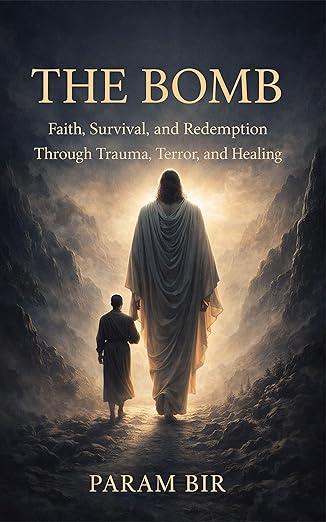
Some survival stories are about escaping death. Others are about discovering a deeper purpose after life has been shattered. THE BOMB tells the kind of story that moves beyond tragedy and becomes a powerful Christian testimony of faith, healing, and redemption.
The book follows the life of Param Bir, a man whose journey includes trauma, political unrest, a bomb explosion, near-blindness, imprisonment, accidents, cancer, and spiritual renewal. His story is not simply about what happened to him. It is about how God carried him through what should have destroyed him.
At its heart, this is a story about faith being rebuilt in the middle of suffering. It shows how one man’s pain became a testimony, and how survival became evidence of God’s mercy and purpose.
A Life-Changing Moment on a Quiet Evening
The central event of the book happens on September 26, 1987, in Suva, Fiji. Param Bir was driving with two friends along Queen Elizabeth Drive when a bomb exploded and changed his life forever.
One moment, he was on a familiar road with friends. Next, he was surrounded by confusion, pain, silence, and darkness. The explosion left him severely injured, and he suddenly realized he had lost his eyesight.
In Chapter 1, pages 1–3, the author describes the terrifying aftermath of the blast, the ringing in his ears, the fear that the car might explode again, and the moment he cried out to Jesus for mercy.
Faith Born in the Middle of Trauma
One of the most powerful parts of this survival story is that faith does not appear after everything is already safe. Faith appears while Param is still wounded, blind, afraid, and unsure whether he will live.
That makes the book deeply human. Many people do not find faith in perfect moments. They find it when they are desperate, broken, and out of options.
For Param, the bomb was not only a physical disaster. It became a spiritual turning point. In the middle of pain, he called on the name of Jesus, remembering the faith he had once known earlier in life.
The Weight of Fiji’s Political Unrest
The story also carries historical weight because it takes place during a painful period in Fiji’s history. The 1987 coups created fear, curfews, violence, and deep uncertainty, especially for Indo-Fijian communities.
This background matters because the author’s suffering did not happen in a peaceful environment. It happened during a time of suspicion, military control, and social unrest.
After the explosion, Param was not only treated as a victim. He was also guarded and questioned as a suspected danger. This made his recovery even more painful and complicated.
A Family Tested by Fear
The book is also powerful because it shows how trauma affects a family. Param’s wife, Sashi Bir, plays an important role in the story. Her experience reveals the fear, pressure, and emotional pain carried by loved ones during a crisis.
She was a nurse, a wife, and a mother trying to care for young children while also facing the possibility that her husband might die or remain blind. Her strength gives the book emotional depth.
This part of the story reminds readers that survival is rarely an individual journey. Behind many survivors are family members who pray, wait, worry, and carry pain quietly.
From Hospital Bed to Spiritual Awakening
After the bomb, Param faced several battles. Doctors were concerned about whether he would survive. Then came the fear that he might remain blind for life. After that, he faced the possibility of prison.
The author describes these as major hurdles in his life. Each one could have broken him. Yet through prayer, church support, medical care, and personal faith, he continued moving forward.
In Chapter 5, pages 15–20, the book describes his critical condition, the prayers of pastors and church members, and the moment he began to see again through his right eye. For the author, this recovery was a miracle and a sign of God’s mercy.
Redemption After Survival
A survival story becomes a Christian testimony when survival leads to transformation. That is what happens in this book. Param does not simply survive the explosion and return to life as it was before.
Instead, he returns to God with a renewed heart. After being released on bail, he goes to church, kneels at the altar, and surrenders his life fully to Christ.
This moment gives the book its deeper meaning. The bomb nearly ended his life, but it also became the event that brought him back to faith, purpose, and spiritual commitment.
Readers who want to experience the full journey can [Buy the book at Amazon] and read how trauma became the beginning of a renewed life.
More Than One Survival Story
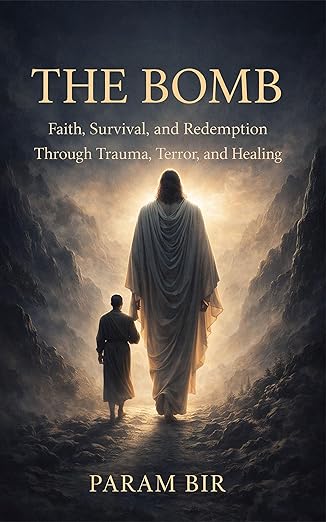
Although the bomb is the central event, the book does not stop there. Param Bir also writes about other moments when he believes God protected him, including serious car accidents and later battles with cancer.
These stories show that the book is not only about one dramatic event. It is about a lifetime of danger, healing, and divine protection.
Again and again, the author faces situations that could have ended differently. Each time, he sees survival as proof that God still had a purpose for him.
Healing Through Faith, Medicine, and Family
Another meaningful part of the book is the balance between faith and practical care. The author gives credit to prayer, but he also recognizes the role of doctors, nurses, treatments, and family support.
This balance makes the story relatable. Healing often comes through many channels. Faith gives strength, medical care supports the body, and family provides comfort during the hardest seasons.
The book shows that healing is not always instant. Sometimes it is long, painful, uncertain, and filled with setbacks. But faith helps the author keep believing even when the outcome is unclear.
Why This Story Matters to Readers
This story matters because many people are carrying their own private trauma. They may not have survived a bomb explosion, but they may understand fear, illness, grief, loss, or uncertainty.
Param’s story reminds readers that pain does not have to be the final chapter. A person can suffer deeply and still find meaning, purpose, and spiritual renewal.
That is why this book connects strongly with readers who appreciate faith-based books, Christian memoirs, survival stories, and testimonies of healing through faith.
The Power of Christian Testimony
A Christian testimony is powerful because it shows faith in real life. It is not only about beliefs spoken in comfort. It is about trust tested in suffering.
This book shows what faith looks like when the body is injured, the future is uncertain, and life feels unfair. It shows a man choosing to believe that God was still present.
That message can encourage anyone walking through a difficult season. It reminds readers that even painful experiences can become part of a larger story of redemption.
Final Thoughts
How one man’s survival story became a powerful testimony of faith and redemption is the heart of this book. Param Bir’s journey shows that trauma can wound the body, but faith can rebuild the soul.
His story moves from explosion to survival, from fear to prayer, from hospital rooms to healing, and from pain to purpose. It is honest, emotional, and deeply rooted in Christian faith.
To learn more about the author and his work, visit our website. For readers looking for a meaningful Christian testimony about survival, healing, and redemption, this book offers a powerful reminder that God can bring purpose even out of life’s darkest moments.

 English
 Arabic
 French
 Spanish
 Portuguese
 Turkish
 Dutch
Dutch
 Italiano
 Russian
 Romaian
 Portuguese (Brazil)
 Greek
Greek