


Property Snagging Guide for New Home Buyers
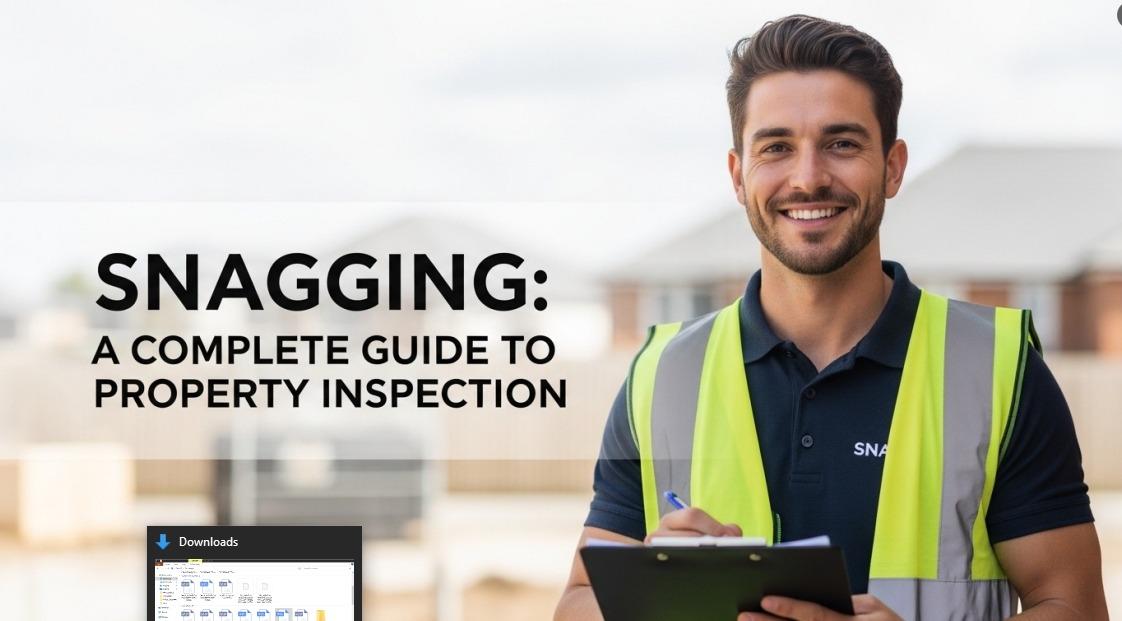
Buying a new property is an exciting milestone for any homeowner or investor. Whether it is a newly built apartment, luxury villa, or commercial unit, every buyer expects a flawless finish and high construction quality. However, many newly completed properties still contain hidden issues, unfinished work, or construction defects. This is where property snagging becomes extremely important.
Property snagging is the process of carefully inspecting a property to identify defects, poor workmanship, or unfinished elements before the final handover. It helps buyers ensure that the developer or contractor fixes all issues before the property is officially occupied. A professional snagging inspection can protect your investment and save you from future repair costs.
Modern buyers are now more aware of construction quality and property standards. As a result, property snagging has become an essential step in the real estate process. From structural concerns to cosmetic imperfections, snagging helps uncover problems that may not be visible during a normal walkthrough.
What Is Property Snagging
Property snagging refers to a detailed inspection carried out before accepting possession of a property. The goal is to identify any faults, defects, or incomplete work that needs correction. These issues are then listed in a snagging report and shared with the builder or developer for rectification.
The inspection usually covers every area of the property, including walls, ceilings, flooring, electrical systems, plumbing fixtures, windows, doors, kitchens, bathrooms, and exterior finishes. A snagging inspection ensures that the property meets expected quality standards and is ready for comfortable living.
Many buyers assume that newly built homes are perfect, but even premium developments can have construction mistakes or finishing issues. Property snagging acts as a quality control process that benefits both buyers and developers.
Why Property Snagging Is Important
Property snagging plays a major role in protecting homeowners from unexpected maintenance problems. Even small defects can become expensive repairs if they are ignored for too long. Identifying these issues early allows developers to fix them before the warranty period expires.
Another important reason for snagging is peace of mind. Purchasing a property is a major financial commitment, and buyers deserve confidence that their home is safe, functional, and completed properly.
Snagging inspections also improve transparency between buyers and developers. A documented snagging report creates clear communication regarding repairs and unfinished work. This helps avoid disputes later and ensures that the property is delivered according to agreed standards.
For investors, property snagging is equally valuable because it helps maintain property value and rental appeal. Tenants are more likely to trust and rent a well-finished property without visible defects.
Common Issues Found During Property Snagging
Many types of defects can appear in newly built properties. Some issues are obvious, while others require careful inspection. One of the most common snagging problems involves paint and wall finishes. Uneven paint, cracks, stains, or poor plastering can affect the appearance of the property.
Flooring defects are also frequently discovered during inspections. Loose tiles, scratches, uneven surfaces, or poor alignment may indicate low-quality workmanship. In kitchens and bathrooms, inspectors often find leaking pipes, damaged fixtures, poor drainage, or improperly sealed surfaces.
Electrical problems are another major concern. Faulty switches, loose sockets, nonfunctional lights, or incorrect wiring can create safety risks. Similarly, air conditioning systems and ventilation units may not operate efficiently if installation is incomplete.
Doors and windows are carefully checked during snagging inspections because alignment issues can affect insulation, security, and usability. Improper sealing may also lead to water leakage or air gaps.
Exterior areas are equally important. Balcony finishes, roof conditions, parking spaces, and drainage systems should all be inspected to ensure proper construction quality.
Benefits of Hiring Professional Snagging Services
Although some buyers attempt to inspect properties themselves, professional snagging services provide a more detailed and experienced assessment. Trained inspectors understand construction standards and know how to identify hidden defects that an untrained eye may miss.
Professional snagging companies use specialized tools and inspection techniques to evaluate the property thoroughly. They can detect moisture issues, uneven surfaces, insulation gaps, and electrical concerns more accurately.
Another benefit is the detailed snagging report provided after the inspection. This report includes descriptions of defects, photographs, and repair recommendations. Developers are more likely to respond seriously to professionally documented findings.
Using professional snagging services also saves time and reduces stress for buyers. Instead of worrying about technical details, homeowners can rely on experts to evaluate the property carefully.
When Should Property Snagging Be Done
The best time for property snagging is before the final handover or before making the last payment to the developer. Conducting the inspection early gives builders enough time to complete repairs before the buyer moves in.
In some cases, buyers also choose to schedule follow-up inspections after repairs are completed. This helps confirm that all issues were properly resolved.
Property snagging can also be useful for older homes, especially before resale or renovation projects. Identifying maintenance issues early helps property owners plan repairs more effectively.
Property Snagging Checklist
A proper snagging inspection usually includes a complete review of the property. Walls and ceilings should be checked for cracks, uneven finishes, or paint defects. Flooring should be inspected for scratches, loose tiles, or alignment problems.
Doors and windows must open and close smoothly without gaps or damage. Plumbing systems should be tested for leaks, drainage issues, and water pressure. Electrical systems need careful examination to ensure all outlets, switches, and lighting fixtures function correctly.
Kitchen cabinets, countertops, and appliances should also be inspected for installation quality. Bathrooms require close attention because waterproofing problems can lead to long-term damage.
Exterior spaces, balconies, parking areas, and roofing systems should not be ignored during the inspection process. A complete checklist helps ensure that no detail is overlooked.
How Property Snagging Protects Your Investment
Property snagging is not only about fixing cosmetic defects. It is about protecting the long-term value and safety of your investment. A property with unresolved issues may face higher maintenance costs, lower resale value, and potential structural complications in the future.
Buyers who invest in snagging inspections often avoid expensive repairs later. Ensuring that the property is delivered in excellent condition creates a better living experience and improves overall satisfaction.
Developers also benefit because snagging inspections encourage higher construction standards and customer trust. A properly completed property reflects professionalism and quality workmanship.
FAQs About Property Snagging
What does property snagging mean
Property snagging is the process of inspecting a property for defects, unfinished work, or construction issues before final handover.
Why is property snagging necessary
It helps identify problems early so the developer can fix them before the buyer moves into the property.
Can buyers perform snagging inspections themselves
Yes, but professional snagging inspectors usually identify more detailed and hidden defects due to their experience and technical knowledge.
What areas are checked during property snagging
Inspectors examine walls, ceilings, flooring, plumbing, electrical systems, doors, windows, kitchens, bathrooms, and exterior areas.
Is property snagging only for new homes
No, property snagging can also be useful for older homes, resale properties, and renovation projects.
How long does a snagging inspection take
The inspection time depends on the size and condition of the property, but a thorough inspection ensures better accuracy.
Conclusion
Property snagging is an essential step for anyone purchasing a new property. It ensures that construction defects, unfinished work, and quality issues are identified before moving in. From plumbing and electrical systems to flooring and finishing details, every aspect of the property should be carefully inspected.
A professional snagging inspection provides confidence, protects your investment, and helps maintain long-term property value. Buyers who prioritize property snagging often enjoy a smoother handover process and fewer maintenance problems in the future.
Whether you are a homeowner, investor, or landlord, property snagging offers a smart way to ensure that your property meets the highest standards of quality and safety.

 English
 Arabic
 French
 Spanish
 Portuguese
 Deutsch
 Turkish
 Dutch
Dutch
 Russian
 Romaian
 Portuguese (Brazil)
 Greek
Greek