


How to Work Safely in Areas with Limited Space for Movement
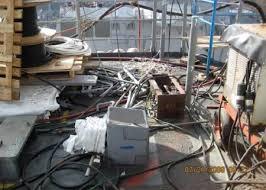
In many workplaces, space is a luxury that not every team has. From crowded warehouses to compact workshops and narrow office layouts, employees often find themselves working in areas where movement is restricted. At first, it may feel manageable. Over time, however, limited space can quietly increase the risk of injuries, strain, and accidents.
For learners exploring workplace safety concepts, especially when reviewing practical training structures or understanding topics like NEBOSH course fees, one key insight becomes clear. Safety is not just about equipment or policies. It is about how effectively people adapt to the environment they work in.
Understanding the Risks of Limited Movement in Workspaces
Working in tight or crowded areas introduces a unique set of hazards. These risks are not always obvious, but they can have serious consequences if ignored.
Restricted movement affects posture, balance, and reaction time. Workers may struggle to avoid obstacles or adjust quickly to unexpected situations.
1. A Real-World Example
Consider a technician working in a narrow maintenance corridor. Tools are placed nearby due to lack of storage space. While turning to pick up equipment, the technician accidentally knocks into a pipe and loses balance.
The issue was not the task itself. It was the limited space combined with poor organization.
Hazards in Space-Constrained Work Areas
Understanding what makes these environments risky is the first step toward improving safety.
1. Frequent Hazards to Watch For
Overcrowded workstations can lead to collisions between workers or equipment.
Limited escape routes make emergency situations more dangerous.
Poorly placed tools or materials increase the risk of trips and falls.
Awkward working positions can lead to musculoskeletal strain over time.
These hazards often develop gradually. Without proper attention, they become part of daily operations.
Why Limited Space Increases Injury Risks
When space is restricted, even simple tasks require more effort and attention.
1. Reduced Mobility
Workers cannot move freely, making it harder to avoid hazards or reposition safely.
2. Awkward Postures
Limited space often forces workers into uncomfortable positions. Over time, this can lead to fatigue and injury.
3. Slower Reaction Time
In a confined area, there is less room to react to sudden changes. This increases the likelihood of accidents.
4. Micro Case Study
In a small packing facility, employees worked in closely arranged stations. One worker reached across a narrow gap to grab a box, lost balance, and fell against a machine.
After reviewing the incident, management realized that workspace design contributed to the risk. Rearranging the layout significantly reduced similar incidents.
Practical Strategies to Improve Safety in Limited Spaces
Improving safety in restricted environments requires thoughtful planning and consistent habits.
1. Optimize Workspace Layout
Even small adjustments can create more usable space. Rearranging equipment or removing unnecessary items can improve movement.
2. Maintain Clear Pathways
Walkways should remain free from obstructions at all times. This is especially important in emergency situations.
3. Limit Unnecessary Items
Clutter reduces available space and increases risk. Keep only essential tools and materials in the work area.
4. Use Suitable Equipment
Compact tools and equipment designed for tight spaces can improve both safety and efficiency.
Safe Working Techniques in Confined Areas
Working safely in limited space is not just about the environment. It is also about how tasks are performed.
1. Move with Awareness
Always be conscious of your surroundings. Small movements can have a bigger impact in tight spaces.
2. Avoid Overreaching
If something is out of reach, reposition yourself instead of stretching beyond a safe limit.
3. Take Breaks When Needed
Fatigue increases the risk of mistakes. Short breaks help maintain focus and reduce strain.
4. Communicate Clearly
In shared spaces, communication prevents collisions and confusion. Let others know your movements and intentions.
Building a Safety Culture in Space-Restricted Workplaces
Safety in limited spaces depends on both individual behavior and organizational support.
1. Encourage Reporting
Workers should report overcrowding, blocked pathways, or unsafe layouts. Early action prevents incidents.
2. Conduct Regular Inspections
Routine checks help identify risks before they escalate. This keeps the work environment safe and organized.
3. Leadership Involvement
Supervisors play a key role in maintaining safety standards. Their actions influence how seriously safety is taken.
Practical Checklist for Workers
1. Before Starting Work
-
Check the workspace for obstacles
-
Ensure pathways are clear
-
Organize tools and materials
-
Assess available space for movement
2. During Work
-
Maintain proper posture
-
Move carefully and deliberately
-
Stay aware of nearby workers
3. After Completing Tasks
-
Return items to designated areas
-
Keep the workspace tidy
-
Report any space-related concerns
Training in Managing Workplace Constraints
Understanding how to work safely in limited spaces often comes from structured learning and practical experience.
Safety training programs teach individuals how to assess risks, adapt to challenging environments, and apply safe working techniques. They also highlight the importance of planning and communication in confined areas.
For those exploring professional development, choosing the Best NEBOSH Institute in Pakistan can make a meaningful difference in how these concepts are understood and applied. A well-structured program focuses on real-world scenarios, helping learners connect theory with everyday workplace challenges.
When evaluating training options, consider the quality of instruction, course content, and how effectively the program prepares learners for practical situations.
Frequently Asked Questions
1. What are the main risks of working in limited space?
The main risks include restricted movement, awkward postures, collisions, and difficulty responding to emergencies.
2. How can workplaces improve safety in tight areas?
Improving layout, reducing clutter, and maintaining clear pathways are key steps. Regular inspections also help identify risks.
3. Why is posture important in confined spaces?
Poor posture can lead to long-term injuries. Limited space often forces awkward positions, so maintaining proper posture is essential.
4. Can training help reduce risks in limited spaces?
Yes, training improves awareness and teaches practical techniques for working safely in challenging environments.
5. What should workers do if space feels unsafe?
They should report the issue to supervisors and avoid continuing work until the risk is addressed.
Conclusion
Working in areas with limited space for movement presents challenges that require careful attention and proactive planning. While these environments may seem manageable at first, the risks can build over time if not properly addressed.
By optimizing workspace layout, maintaining organization, and applying safe working techniques, workplaces can significantly reduce the likelihood of accidents. More importantly, building awareness and encouraging responsibility ensures that safety becomes part of everyday behavior.
For learners and professionals alike, understanding how to adapt to space constraints is an essential skill. With the right approach, even the most confined workspaces can be made safer, more efficient, and more comfortable for everyone involved.

 English
 French
 Spanish
 Portuguese
 Deutsch
 Turkish
 Dutch
Dutch
 Italiano
 Russian
 Romaian
 Portuguese (Brazil)
 Greek
Greek