


How to Communicate Effectively in Dementia Care At Home
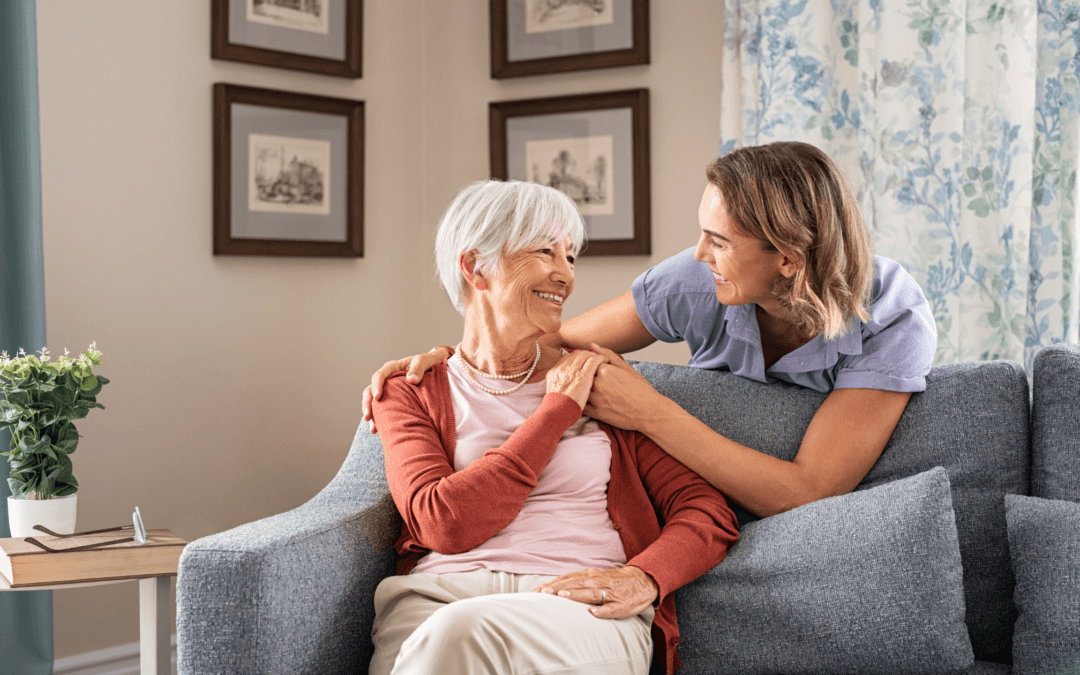
Dementia is a progressive condition that affects memory, thinking, language, and behavior, making communication increasingly difficult for patients and their caregivers. Many families choose Dementia Care At Home In Dubai because it allows loved ones to stay in familiar surroundings while receiving personalized and compassionate support. With the added convenience of Doctor at Home services, families can also access medical guidance without frequent hospital visits. Effective communication is one of the most important skills in dementia care, as it helps reduce confusion, improve emotional well-being, and strengthen trust between caregivers and patients.
Understanding Communication Challenges in Dementia:
Communication difficulties are a core symptom of dementia and often become more pronounced as the condition progresses. Patients may struggle to find words, follow conversations, or understand instructions. They may also repeat questions, forget recent discussions, or become easily confused. Understanding these challenges helps caregivers respond with patience rather than frustration, creating a more supportive environment for meaningful interaction.
Using Simple and Clear Language:
One of the most effective communication strategies in dementia care is using simple and easy-to-understand language. Complex sentences or multiple instructions can overwhelm patients and increase confusion. Caregivers should focus on clarity and simplicity to improve understanding.
Helpful communication techniques include:
- Using short and direct sentences
- Asking one question at a time
- Avoiding complicated explanations
- Repeating information calmly when needed
- Using familiar words and phrases
Simple language helps reduce cognitive overload and improves patient response.
Maintaining a Calm and Reassuring Tone:
The tone of voice plays a major role in how dementia patients interpret communication. A calm, gentle, and reassuring tone helps reduce anxiety and builds emotional comfort. Patients are often sensitive to emotional cues, so caregivers must remain patient even during difficult situations.
Best practices include:
- Speaking slowly and softly
- Avoiding raised voices or frustration
- Using a warm and friendly tone
- Offering reassurance during confusion
- Maintaining a positive emotional presence
A calm tone helps create trust and emotional stability.
Using Non-Verbal Communication Effectively:
Non-verbal communication is just as important as verbal communication in dementia care. Gestures, facial expressions, and body language can help patients understand messages even when words are difficult to process. Caregivers should use supportive non-verbal cues to enhance understanding.
Effective non-verbal strategies include:
- Maintaining eye contact during conversations
- Using hand gestures to explain actions
- Smiling to create reassurance
- Nodding to show understanding
- Standing or sitting at the patient’s eye level
These cues help reinforce verbal communication and improve clarity.
Practicing Patience and Active Listening:
Patience is essential when communicating with dementia patients, as they may take longer to process information or respond. Active listening ensures that patients feel heard and respected, even if their responses are unclear or repetitive.
Helpful approaches include:
- Allowing extra time for responses
- Avoiding interruptions during speech
- Repeating or rephrasing if necessary
- Paying attention to non-verbal cues
- Showing empathy and understanding
Active listening builds trust and reduces communication frustration.
Managing Repetition and Memory Loss in Conversations:
Repetition is a common behavior in dementia patients due to memory loss. They may ask the same questions multiple times or forget recent answers. Caregivers should respond calmly and consistently without showing irritation.
Helpful strategies include:
- Answering repeated questions patiently
- Using written reminders or notes
- Redirecting attention gently
- Avoiding arguments or corrections
- Maintaining consistent responses
Managing repetition calmly helps reduce anxiety for both patients and caregivers.
Creating a Distraction-Free Communication Environment:
A noisy or cluttered environment can make communication more difficult for dementia patients. Reducing distractions helps them focus better on conversations and instructions. A calm setting improves understanding and reduces confusion.
Environmental improvements include:
- Turning off background noise like TV or radio
- Ensuring good lighting in the room
- Reducing unnecessary movement or interruptions
- Speaking in a quiet and familiar space
- Keeping only essential items in view
A calm environment enhances communication effectiveness.
Using Visual Aids and Memory Support Tools:
Visual aids can help dementia patients understand and retain information more effectively. These tools support communication when verbal understanding becomes difficult. Caregivers can use simple visual cues to reinforce messages.
Helpful tools include:
- Written notes and reminders
- Pictures or photo references
- Calendars with marked events
- Labels on household items
- Step-by-step instruction cards
Visual aids reduce confusion and improve independence.
Adapting Communication to Emotional Changes:
Dementia patients often experience emotional fluctuations such as anxiety, frustration, or sadness. These emotions can affect communication and understanding. Caregivers should adapt their approach based on the patient’s emotional state.
Helpful strategies include:
- Offering reassurance during distress
- Pausing conversations if the patient is upset
- Redirecting to calming topics
- Avoiding sensitive or confusing subjects
- Using comforting physical presence when appropriate
Emotional awareness improves communication outcomes.
Encouraging Positive and Familiar Conversations:
Talking about familiar topics can help stimulate memory and improve engagement. Positive conversations create emotional comfort and strengthen relationships between caregivers and patients. Familiar subjects are easier for patients to understand and respond to.
Helpful conversation topics include:
- Family memories and photographs
- Favorite music or hobbies
- Past experiences and stories
- Simple daily routines
- Positive and comforting events
Familiar conversations encourage participation and reduce confusion.
Supporting Caregiver Communication Skills:
Caregivers play a central role in effective communication, and developing the right skills improves care quality. Training, practice, and awareness help caregivers handle challenging situations with confidence.
Important caregiver skills include:
- Remaining calm under pressure
- Practicing empathy and patience
- Learning dementia behavior patterns
- Using consistent communication methods
- Seeking guidance when needed
Strong caregiver skills lead to better patient interactions.
Role of Professional Support in Communication:
Professional caregivers can provide valuable assistance in improving communication with dementia patients. They are trained to use specialized techniques that reduce confusion and improve understanding. Their experience helps manage difficult behaviors and enhance daily interactions.
Professional support also allows families to learn effective communication strategies and apply them consistently at home, improving overall care quality.
Final Thoughts:
Effective communication in Dementia Care At Home In Dubai is essential for improving emotional well-being, reducing confusion, and strengthening relationships between patients and caregivers. By using simple language, maintaining a calm tone, practicing patience, and creating a supportive environment, families can significantly improve daily interactions. With the support of trained caregivers and Doctor at Home services, communication becomes more structured, compassionate, and effective, ensuring dementia patients receive dignified and understanding care in a familiar home setting.

 English
 Arabic
 Spanish
 Portuguese
 Deutsch
 Turkish
 Dutch
Dutch
 Italiano
 Russian
 Romaian
 Portuguese (Brazil)
 Greek
Greek