A rechargeable cell is a type of battery that can be charged and used multiple times instead of being thrown away after a single use. These cells store electrical energy and release it when connected to devices such as remote controls, cameras, toys, flashlights, clocks, wireless keyboards, and many other electronic products.
In recent years, rechargeable cells have become extremely popular because they are cost-effective, environmentally friendly, and highly efficient. People now prefer rechargeable batteries over disposable batteries due to their long life and reduced waste. Whether you are using AA batteries for household electronics or larger battery packs for tools and gadgets, rechargeable cells provide a practical and reliable power solution.
This article explains everything you need to know about rechargeable cells, including their types, working process, benefits, applications, maintenance, and buying considerations.
What Is a Rechargeable Cell
A rechargeable cell is an energy storage device that can regain its charge by passing electricity through it. Unlike disposable batteries that stop working permanently after discharge, rechargeable cells can be recharged hundreds or even thousands of times.
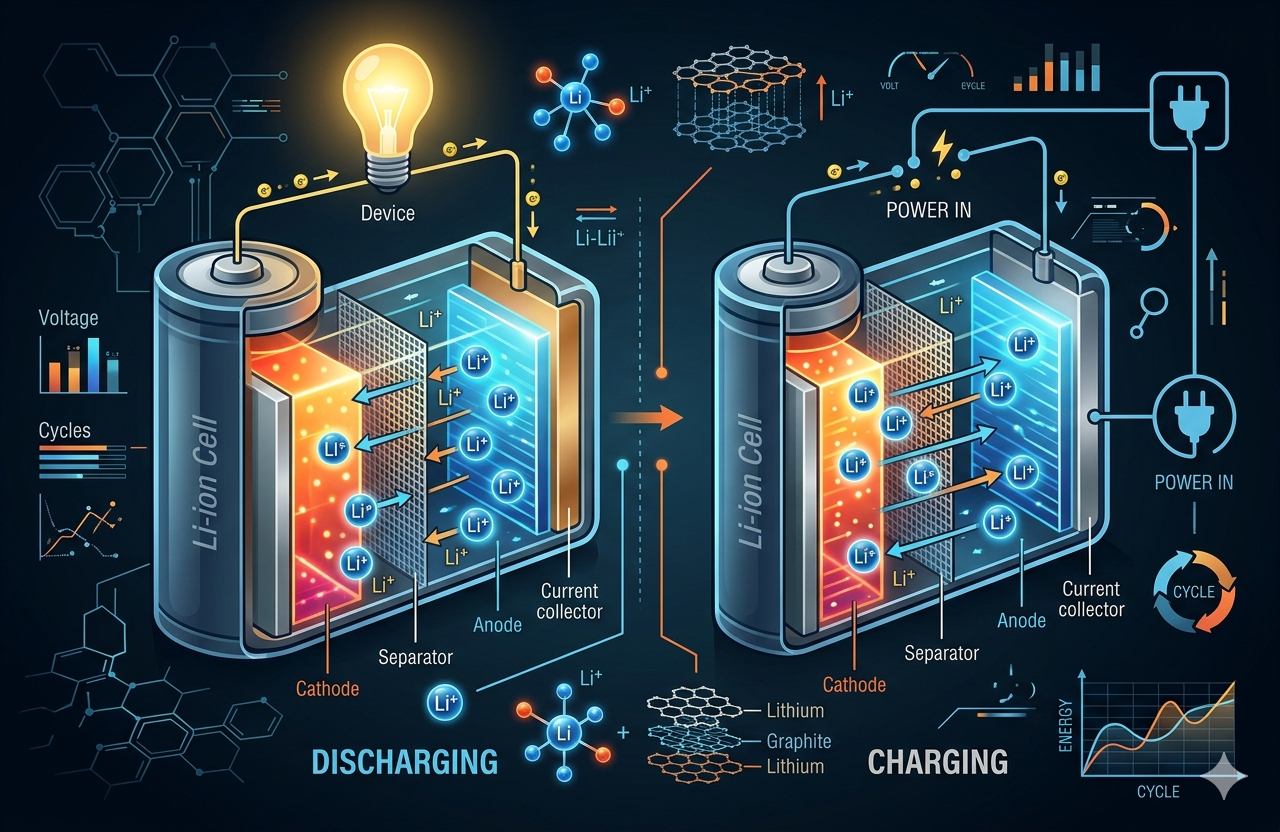
These cells use chemical reactions to store and release energy. During charging, electrical energy is converted into chemical energy. When the battery powers a device, the chemical energy changes back into electrical energy.
Rechargeable cells are available in different sizes and technologies, including AA, AAA, lithium-ion, nickel-metal hydride, and more.
How Does a Rechargeable Cell Work
Rechargeable cells work through reversible chemical reactions. Inside every rechargeable battery are two electrodes and an electrolyte.
Charging Process
When the battery is connected to a charger:
- Electricity flows into the cell
- Chemical reactions store energy inside the battery
- The battery becomes ready for future use
Discharging Process
When connected to a device:
- Stored chemical energy converts into electricity
- The device receives power
- The battery gradually loses charge
This cycle can be repeated many times depending on the battery quality and usage habits.
Types of Rechargeable Cells
There are several types of rechargeable cells available in the market. Each type has unique features and applications.
Nickel Cadmium Rechargeable Cells
Nickel Cadmium batteries, also called NiCd batteries, were among the first widely used rechargeable batteries.
Advantages
- Durable and long-lasting
- Good performance in extreme temperatures
- Fast charging capability
Disadvantages
- Memory effect issues
- Contains toxic cadmium
- Lower energy capacity
These batteries are now less common because newer technologies offer better performance.
Nickel Metal Hydride Rechargeable Cells
Nickel Metal Hydride batteries, known as NiMH batteries, are commonly used in household devices.
Advantages
- Higher capacity than NiCd
- Eco-friendly compared to cadmium batteries
- Suitable for cameras and toys
Disadvantages
- Slightly shorter shelf life
- Can lose charge when stored for long periods
NiMH batteries are among the most popular AA and AAA rechargeable cells today.
Lithium Ion Rechargeable Cells
Lithium-ion batteries are modern rechargeable cells used in smartphones, laptops, power banks, and electric vehicles.
Advantages
- Lightweight design
- High energy density
- Fast charging support
- Long lifespan
Disadvantages
- More expensive
- Sensitive to heat and overcharging
Lithium-ion technology dominates the modern electronics industry because of its efficiency and compact size.
Common Sizes of Rechargeable Cells
Rechargeable cells come in different sizes for different applications.
AA Rechargeable Cell
AA batteries are widely used in:
- Remote controls
- Wireless mouse and keyboards
- Flashlights
- Toys
AAA Rechargeable Cell
AAA batteries are smaller and commonly found in:
- TV remotes
- Small electronic devices
- Wall clocks
18650 Rechargeable Cell
The 18650 lithium-ion cell is used in:
- Power banks
- Electric bicycles
- LED flashlights
- Laptop battery packs
Rechargeable Button Cells
These small batteries are used in:
- Watches
- Hearing aids
- Calculators
Benefits of Using Rechargeable Cells
Rechargeable cells offer many advantages compared to disposable batteries.
Cost Savings
Although rechargeable batteries may cost more initially, they save money in the long term because they can be reused many times.
For example, a single rechargeable AA battery can replace hundreds of disposable batteries during its lifespan.
Environmentally Friendly
Disposable batteries create a large amount of waste. Rechargeable cells reduce environmental pollution because fewer batteries are thrown away.
Using rechargeable batteries also decreases the demand for raw materials used in battery manufacturing.
Better Performance
Many rechargeable cells provide stable voltage output and consistent power delivery. Devices often perform better with rechargeable batteries because the power remains steady during use.
Convenience
Instead of repeatedly buying new batteries, users can simply recharge existing ones at home using a charger.
Applications of Rechargeable Cells
Rechargeable cells are used in many industries and daily life applications.
Household Electronics
Rechargeable batteries power:
- TV remotes
- Clocks
- Wireless accessories
- Portable fans
Consumer Gadgets
Devices such as smartphones, tablets, cameras, and headphones use rechargeable lithium-ion cells.
Medical Equipment
Rechargeable batteries are important in:
- Medical monitors
- Portable oxygen devices
- Emergency lighting systems
Transportation
Electric vehicles and hybrid cars rely heavily on rechargeable battery technology.
Renewable Energy Systems
Solar power systems store energy using rechargeable battery banks for later use.
How to Charge a Rechargeable Cell Properly
Correct charging practices improve battery performance and lifespan.
Use the Right Charger
Always use a charger designed for your battery type. Using the wrong charger may damage the battery or reduce efficiency.
Avoid Overcharging
Overcharging generates heat and shortens battery life. Modern smart chargers automatically stop charging when the battery is full.
Charge at Proper Temperatures
Extreme heat or cold can damage rechargeable cells. Room temperature charging is generally recommended.
Do Not Fully Drain Frequently
Lithium-ion batteries perform better when not completely discharged before recharging.
Tips to Extend Rechargeable Cell Life
Proper maintenance helps rechargeable cells last longer.
Store Correctly
Keep batteries in a cool and dry place away from direct sunlight.
Clean Battery Contacts
Dirty battery terminals may reduce charging efficiency. Clean contacts gently if necessary.
Avoid Physical Damage
Dropping or puncturing rechargeable batteries can be dangerous and reduce their lifespan.
Use Regularly
Rechargeable batteries perform best when used regularly instead of being left unused for very long periods.
Rechargeable Cell Versus Disposable Battery
Many people compare rechargeable cells with disposable batteries before purchasing.
| Feature |
Rechargeable Cell |
Disposable Battery |
| Reusability |
Yes |
No |
| Long-Term Cost |
Lower |
Higher |
| Environmental Impact |
Lower |
Higher |
| Initial Price |
Higher |
Lower |
| Lifespan |
Hundreds of cycles |
Single use |
Rechargeable batteries are generally the better option for devices used frequently.
Important Things to Consider Before Buying Rechargeable Cells
Before purchasing rechargeable batteries, consider the following factors.
Battery Capacity
Battery capacity is measured in mAh. Higher mAh ratings usually provide longer runtime.
Charging Speed
Some batteries support fast charging while others require more time.
Brand Quality
Trusted brands often provide better safety, reliability, and durability.
Device Compatibility
Ensure the battery size and voltage match your device requirements.
Are Rechargeable Cells Safe
Rechargeable cells are generally safe when used correctly. However, improper charging, overheating, or physical damage may create safety risks.
To improve safety:
- Use certified chargers
- Avoid exposing batteries to fire
- Do not mix old and new batteries
- Replace damaged cells immediately
Modern rechargeable batteries often include built-in safety protection systems.
Future of Rechargeable Cell Technology
Battery technology continues to improve rapidly. Researchers are developing advanced rechargeable cells with:
- Faster charging times
- Longer lifespan
- Higher energy storage
- Improved safety
- Better environmental sustainability
Solid-state batteries and advanced lithium technologies may become more common in the future.
Conclusion
Rechargeable cells have transformed the way people power electronic devices. They are reusable, economical, environmentally friendly, and highly efficient. From household gadgets to electric vehicles, rechargeable batteries play a major role in modern technology.
Understanding the different types of rechargeable cells, their uses, and proper maintenance can help users make smarter decisions and extend battery life. Whether you need batteries for daily household devices or advanced electronics, rechargeable cells offer a dependable and sustainable power solution.
As technology continues to evolve, rechargeable batteries will likely become even more powerful, safer, and more energy-efficient in the years ahead.



 English
 French
 Spanish
 Portuguese
 Deutsch
 Turkish
 Dutch
Dutch
 Italiano
 Russian
 Romaian
 Portuguese (Brazil)
 Greek
Greek